Industry news: OpenAI and OATS bring hands-on AI learning to older adults through community partners
OpenAI
AI Product and Learning Report
ملخص 500 كلمة
OpenAI announced an Older Adults AI Skills Jam with Older Adults Technology Services from AARP on September 16, 2026. The programme brings free, in-person ChatGPT workshops to ten U.S. communities through local partners. This September 20 report considers the approach to lifelong learning. The announcement describes the programme's intended reach and activities; it does not supply an independently assessed account of what every participant learned or how they used the tools afterwards.
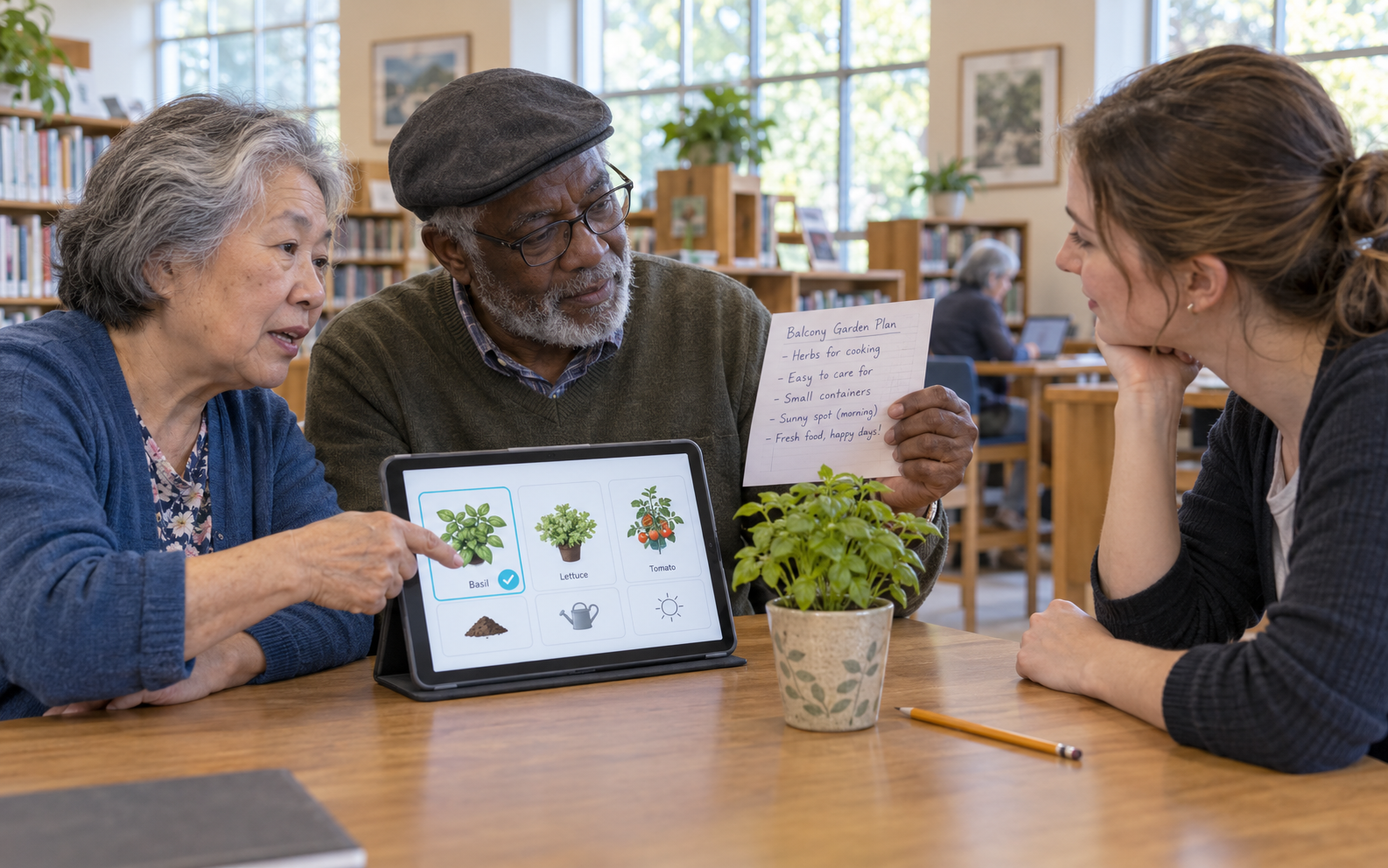
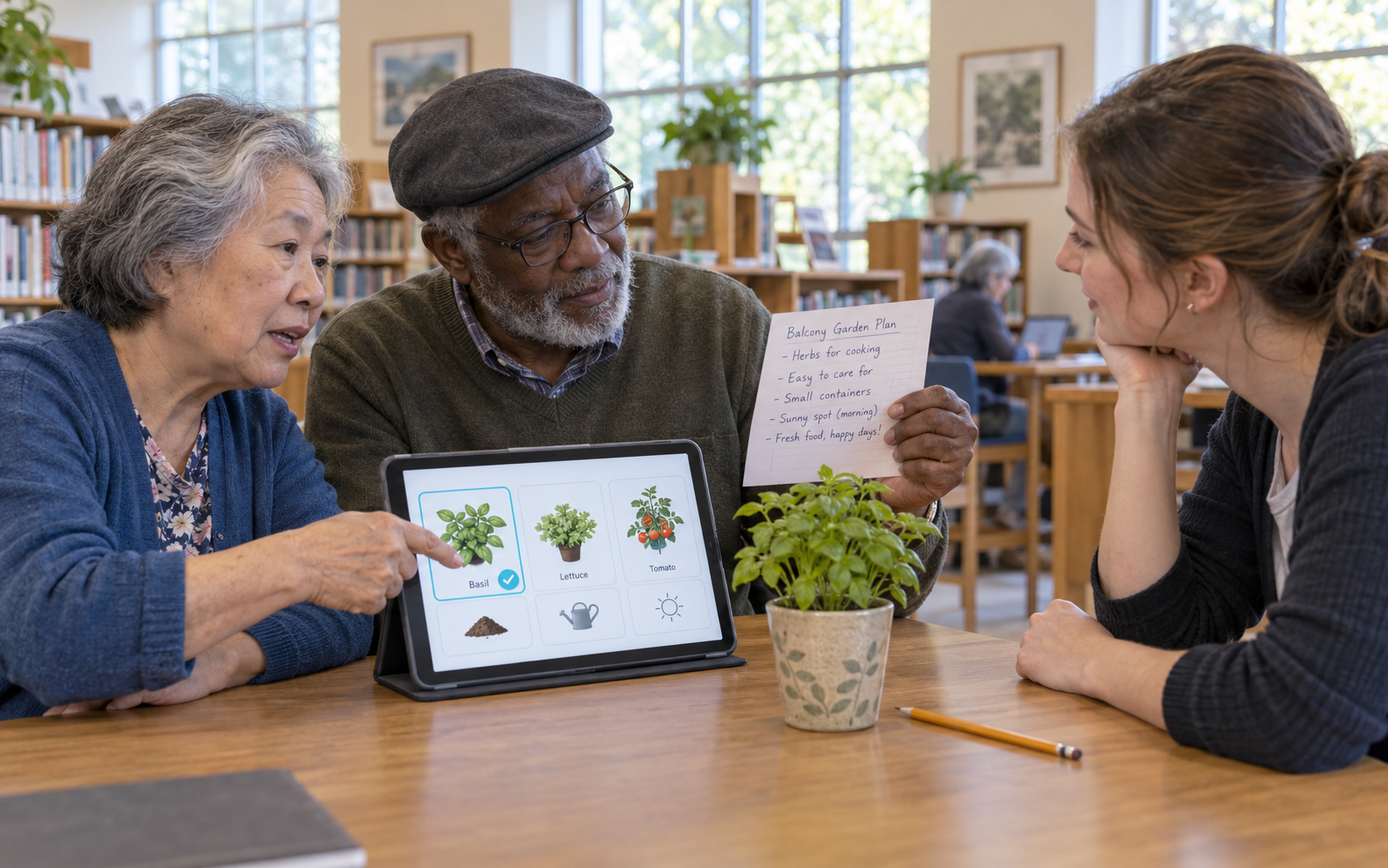
The community setting is significant. A familiar library or learning centre can provide a place to ask questions, practise with support, and return when something remains unclear. Participants will arrive with different experiences, interests, devices, and accessibility needs. Age alone does not define digital confidence. A useful session should let someone work on a meaningful task without assuming that all older adults need the same explanation or pace.
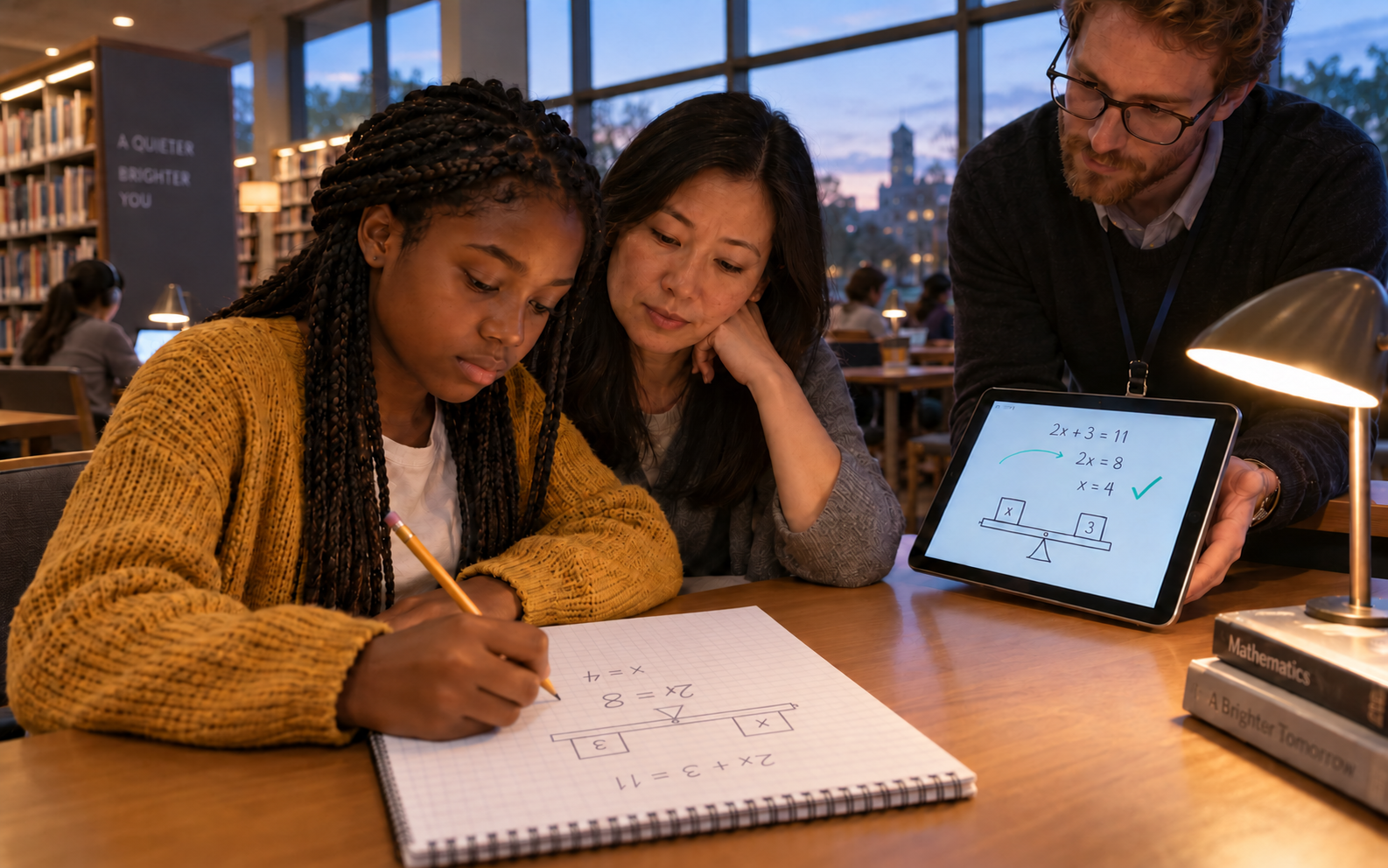
Everyday tasks can provide a concrete starting point. A participant might want to organise a hobby project, understand the wording of a letter, or compare travel options. The instructor can help separate the task from the assistant's first suggestion. What information is missing? Which details need checking? What would make the result useful to this person? These questions allow the learner's purpose to guide the activity.
OpenAI includes online-safety discussion in the workshop design. Educationally, that is an opportunity to practise pausing and checking rather than simply outsourcing suspicion to an AI verdict. A harmless sample message can contain an urgent request, an unclear sender, or an unexpected link. Participants can discuss what they would verify through another channel. An assistant's explanation can support that conversation without becoming the final authority on whether a message is genuine.
Anthropic's Claude Academy approach also starts from practical problems and intentional choices about assistance. Gemini's educator training provides another set of examples for organising learning around real tasks. These resources serve different audiences, but they offer a useful comparison with OpenAI's community workshops: practical access works best when learners have time to experiment and a clear way to ask for help. A collection of features alone is not a learning pathway.
A community provider could invite participants to leave with one small artifact they understand and can revise themselves. It might be a checked checklist, a plain-language draft, or a plan for a personal project. A later session could revisit whether the artifact remained useful and what new questions arose. Participants should also be able to decide that a particular task is better handled with a person or another tool.
The strongest evaluation would listen to varied experiences, including people who used the tool once, those who returned, and those who chose not to continue. It could examine confidence alongside the ability to identify an error and find appropriate support. The programme offers a visible investment in learning across the lifespan. Its broader lesson is that inclusive AI education requires patient, purposeful practice shaped by the learner, not a single definition of what technological participation should look like.