Product news: Claude Code mods let developers reshape the assistant, making tool configuration part of software literacy
Anthropic
AI Product and Learning Report
500단어 요약
Anthropic introduced mods for Claude Code on October 1, 2026. These small TypeScript extensions can change how the assistant behaves or how parts of its interface appear, and they are distributed inside plugins. Mods work in the command-line and desktop applications. Anthropic explicitly states that they run with the same machine access as Claude Code and are not sandboxed. For educational developers, this is executable customisation rather than a harmless presentation preference.
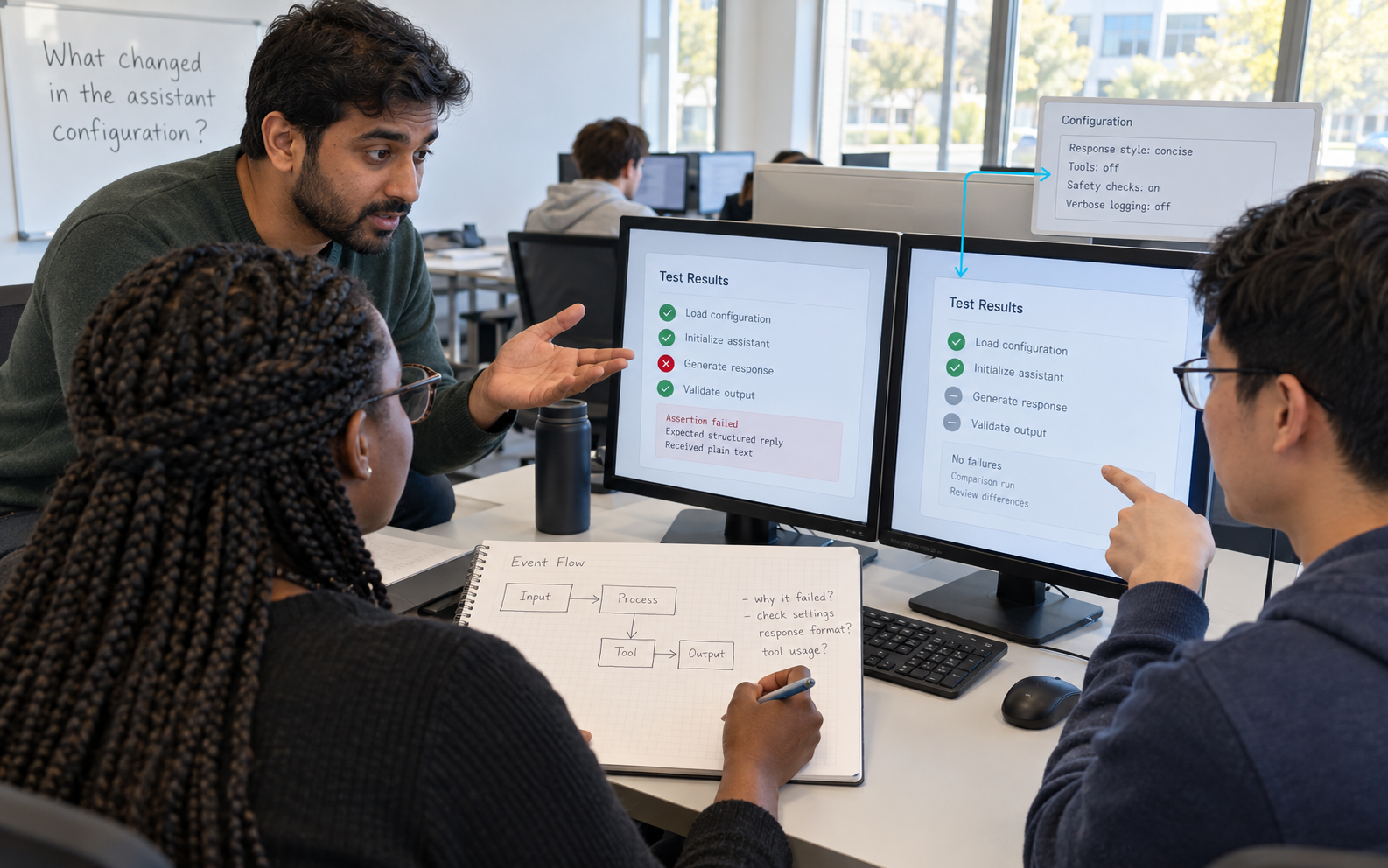
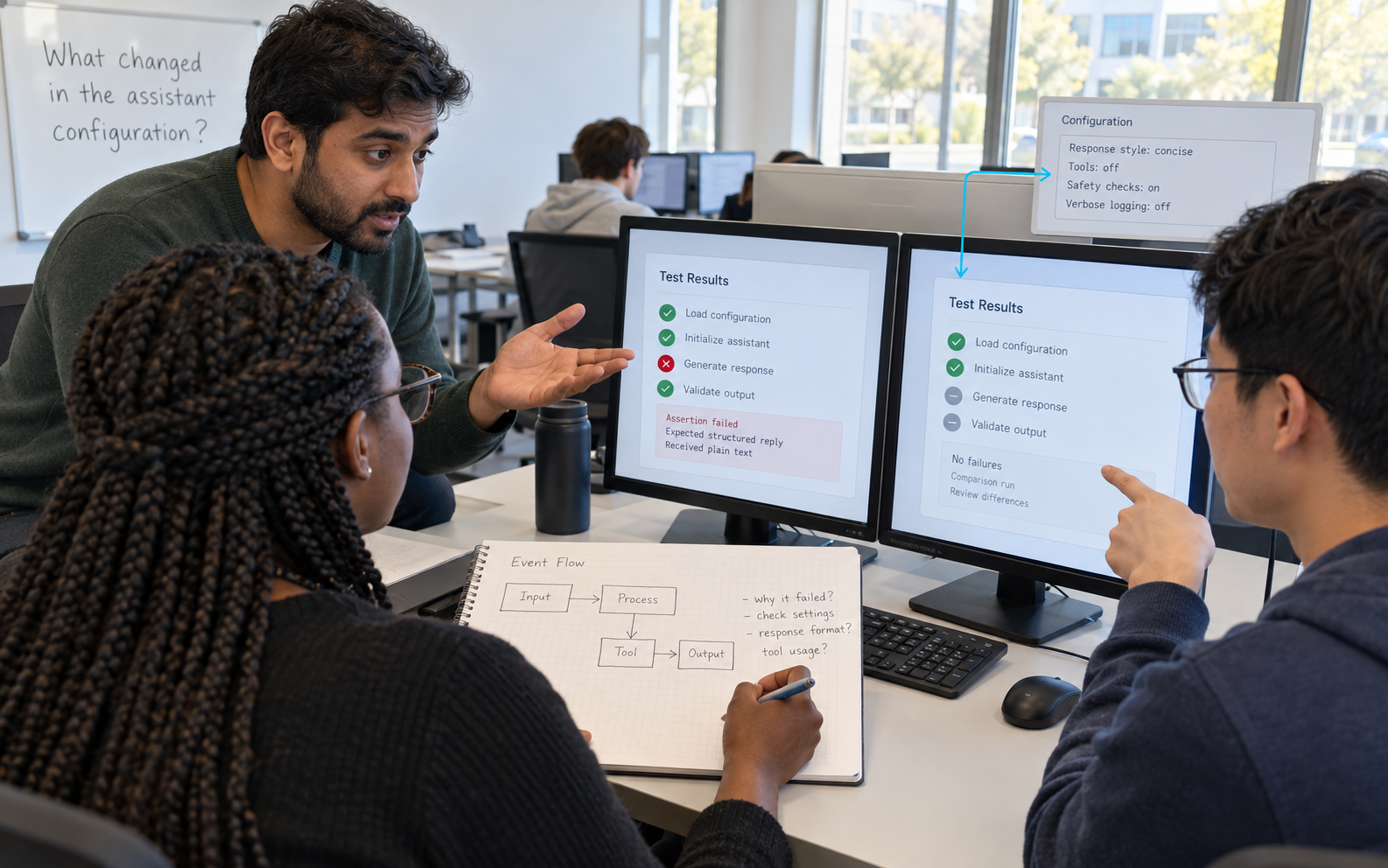
The release makes a useful software-literacy question concrete: when two people say they used the same AI tool, did they actually use the same environment? Different instructions, extensions, or interface changes can alter what the model sees and what the user can inspect. A course comparing results should record those conditions, rather than attribute every difference to the underlying model alone.
A simple teaching example could change how a test result is displayed in an isolated practice environment. Students would compare the original output with the revised presentation and check that important failures remain visible. They would explain which information was removed, reordered, or highlighted and why. The purpose would be to examine the relationship between interface design and judgment, not to make an unsuccessful test look successful.
Behavioural changes deserve an equally explicit contract. If an extension transforms an instruction or intervenes in a tool call, reviewers should understand the intended transformation and its limits. An educational team can keep examples of normal, missing, and unexpected inputs, then check the observed results. A mod that appears useful in one demonstration may interact differently with another extension, so the combined environment also needs examination.
OpenAI's recent DevDay announcements include new ways for developers to extend ChatGPT experiences. Gemini 3.8 Flash offers another route to building and revising software with model assistance. Compared with these developments, Anthropic's mods focus on customising the coding assistant itself. The distinction matters: building an application, extending a platform, and changing the tool used to develop software create different responsibilities and should be taught as such.
Students can document a customisation with a brief explanation of the problem, the change, and the evidence that it works. They should retain a way to return to the original behaviour and identify which version was used for an assessed task. Another student should be able to repeat the same check. In a shared teaching environment, staff need to know which extensions are installed and how changes are introduced. This makes troubleshooting possible when a student's result differs from an instructor's example.
The feature expands developer control, but more customisation is not automatically better for learning. A clear default environment may be preferable for an introductory course, while an advanced class can use mods to study event handling, interface choices, and reproducibility. The strongest submission would show a small, justified change whose effects can be explained and tested. That turns a new extension mechanism into an opportunity to understand the tools shaping the work.