Product news: Gemini Guided Vision adds conversational visual assistance, with clear limits for educational use
AI Product and Learning Report
500語要約
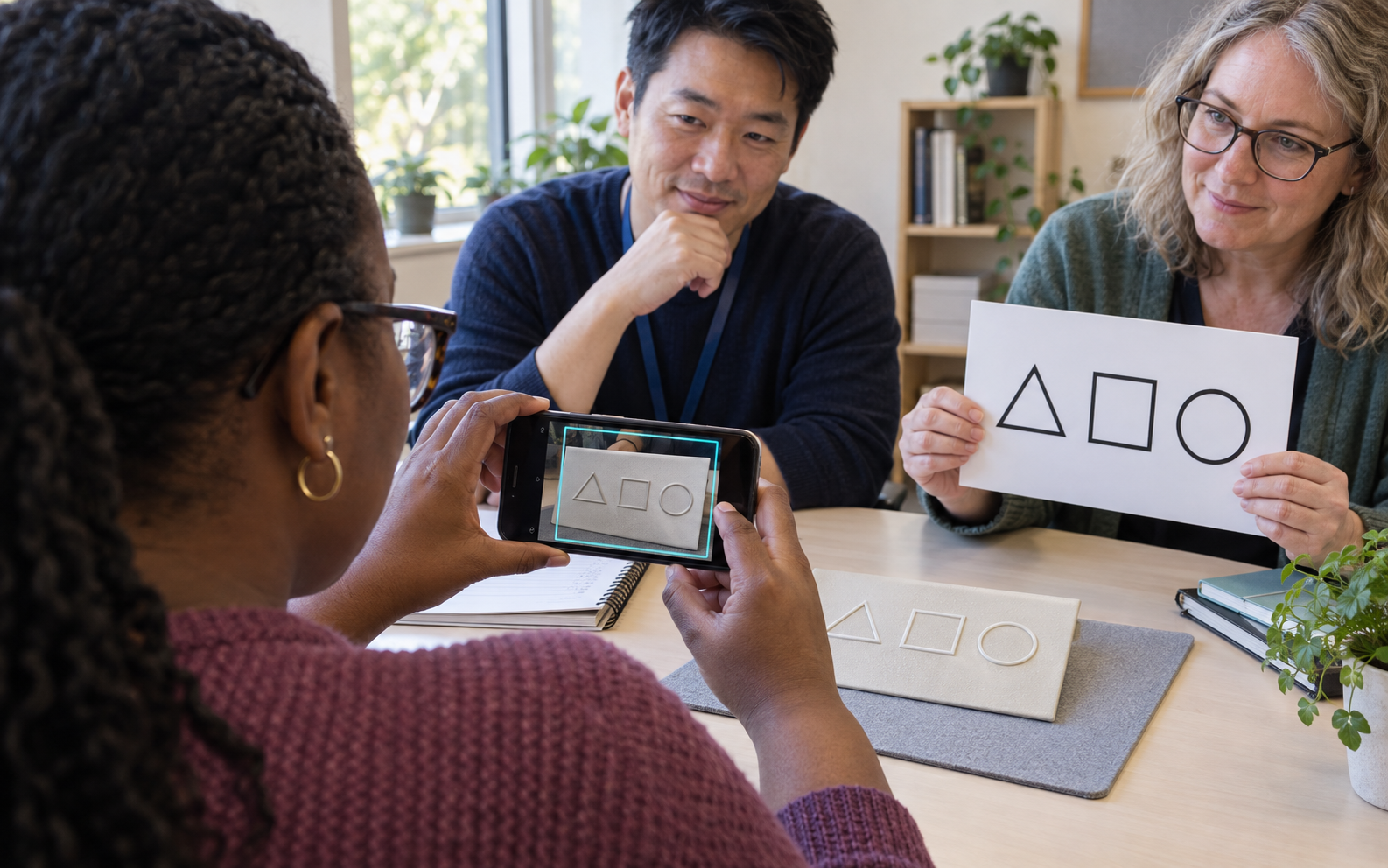
Google launched Guided Vision in Gemini Live on October 1, 2026, offering conversational descriptions and spoken camera-reframing cues on supported Android devices. This October 3 report examines possible educational uses. Google says the feature was developed with the blind and low-vision community, and explicitly describes it as an assistive utility that can make mistakes. It is not intended to replace mobility aids or provide navigation and obstacle-detection guidance.
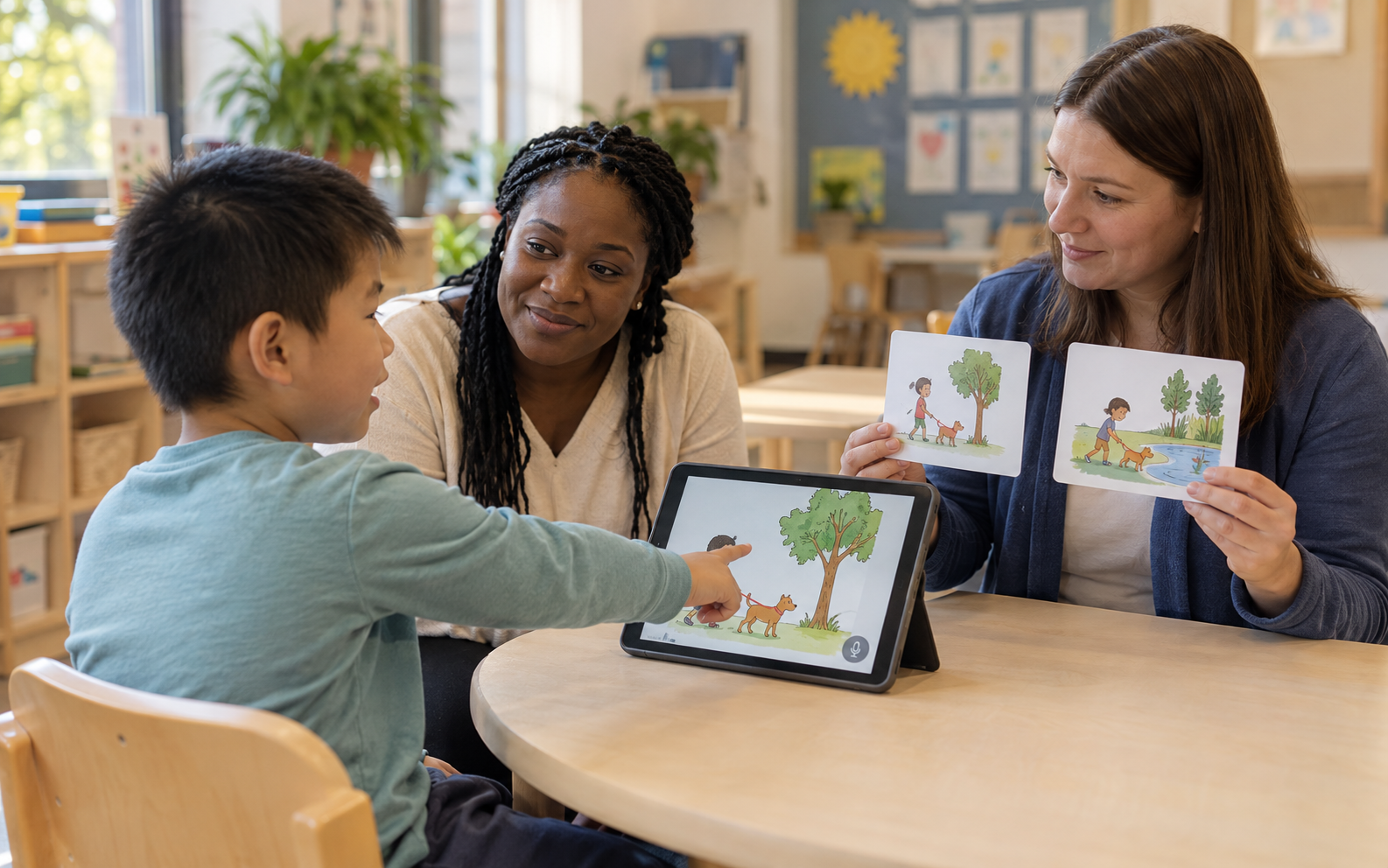
In a learning setting, the useful task might be much narrower: describing an object on a desk, reading a label, or helping a learner ask a follow-up question about visible material. The learner's purpose should determine the description. A broad account of everything in view may be less helpful than an answer about a particular feature, relationship, or piece of text.
An accessibility team could explore this with a small collection of familiar teaching objects and diagrams. A learner would choose what to inspect, ask for a description, and compare the response with another accessible representation. The team could note which details were useful, which were wrong, and what additional context was needed. This evaluates the interaction in a meaningful activity rather than assuming that a fluent description is sufficient. For example, reviewers could check whether the description preserves the direction of an arrow and the relationship between two labelled objects.
Visual interpretation is not the same as understanding a lesson. A system may identify a shape yet miss the relationship a teacher intends students to examine. It may read a label correctly but describe an arrow ambiguously. Teachers should preserve accessible source materials and explanations that do not depend on one generated description. Learners should have a clear way to question the output and request a different form of support.
OpenAI's recent accessibility profile described a person using ChatGPT to create reading adaptations. Anthropic's document and slide tools make additional materials easier to produce. Gemini Guided Vision approaches another part of the problem: accessing visual information through conversation. These developments can complement one another, but none relieves an educational institution of designing materials that are usable in the first place.
A proposed classroom activity might ask learners to compare two descriptions of the same simple diagram. They could identify what each description makes clear and what it leaves uncertain, then suggest a better question. Participation should be voluntary and shaped with the people who use the support. It should not require a learner to demonstrate personal difficulties for classmates or to rely on an untested tool for a consequential task.
The feature's practical value will depend on the device, language, material, and context of use. A local review should therefore include the learner's judgment and alternatives that remain available when the assistant is wrong or unavailable. Guided Vision offers a new way to ask questions about visual information. An inclusive educational use would give learners more control over how they access a topic, while keeping the underlying content and the route to human support understandable.