Evaluating the Learning Impact of AI
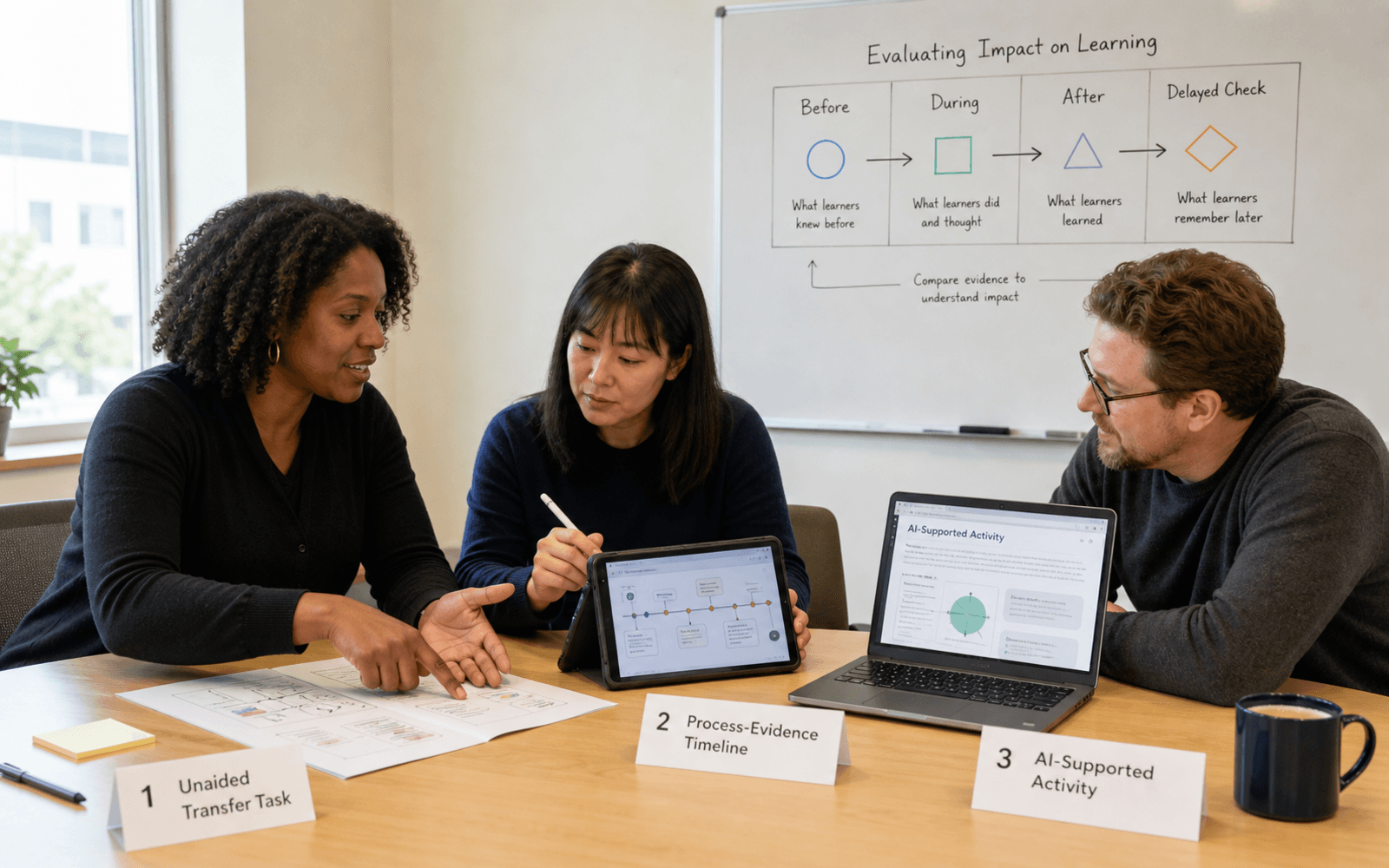
How teams move from AI output quality and usage to credible claims about learner knowledge, transfer, retention, agency, equity, wellbeing, teacher workload, implementation, cost, and unintended effects.
Akademi
Pelajaran berpasangan yang ditinjau menghubungkan pengetahuan AI dengan teori pendidikan.
70 pelajaran
Halaman 1 / 12

How teams move from AI output quality and usage to credible claims about learner knowledge, transfer, retention, agency, equity, wellbeing, teacher workload, implementation, cost, and unintended effects.

How evidence-based ideas become usable routines through fit assessment, active implementation teams, training, coaching, data systems, leadership, facilitative administration, adaptation, staged scale, and attention to outcomes and sustainability.

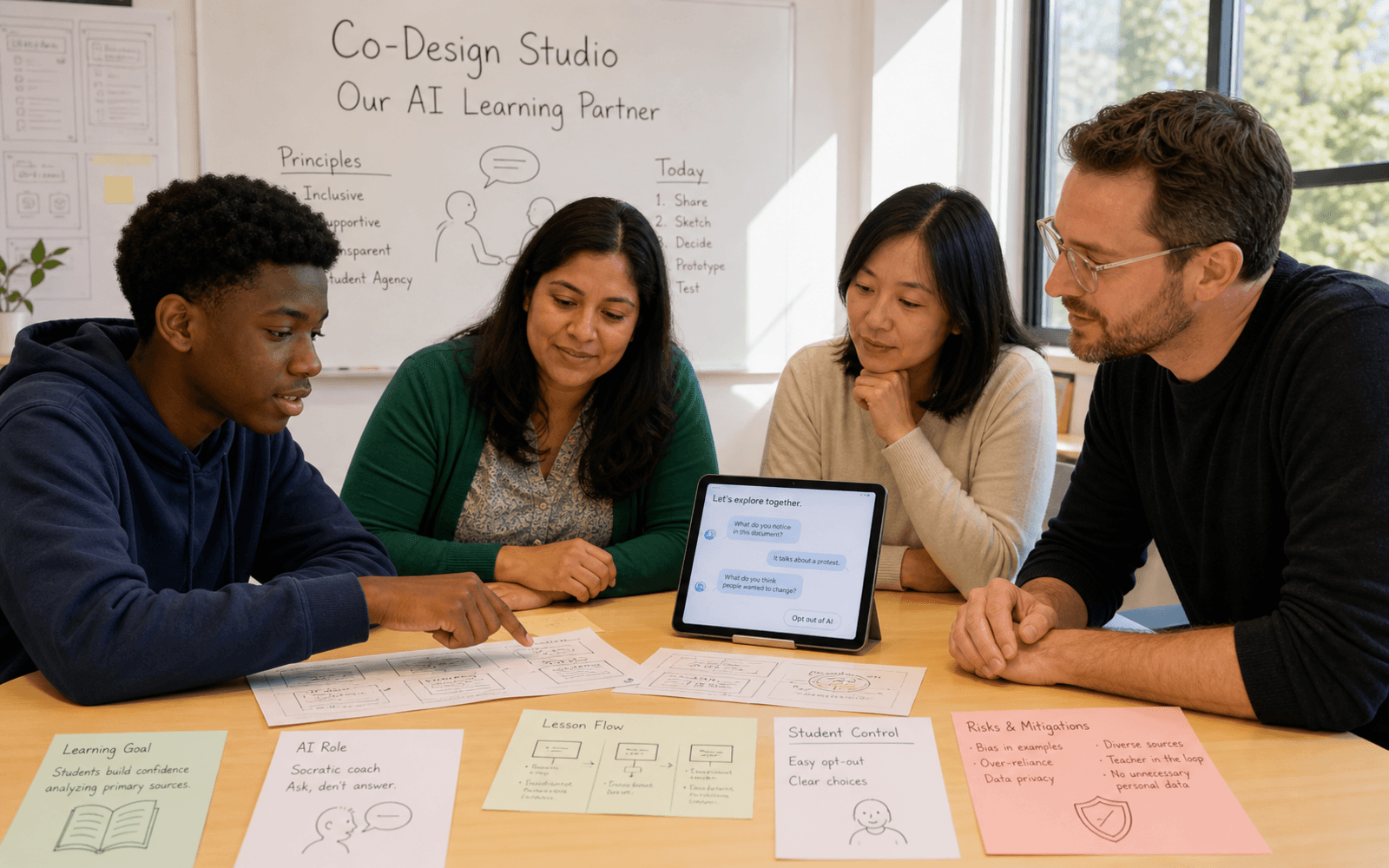
How learners, educators, families, and affected staff share knowledge and influence across problem framing, requirements, prototyping, testing, governance, deployment, monitoring, and redesign rather than merely reacting to a finished AI product.

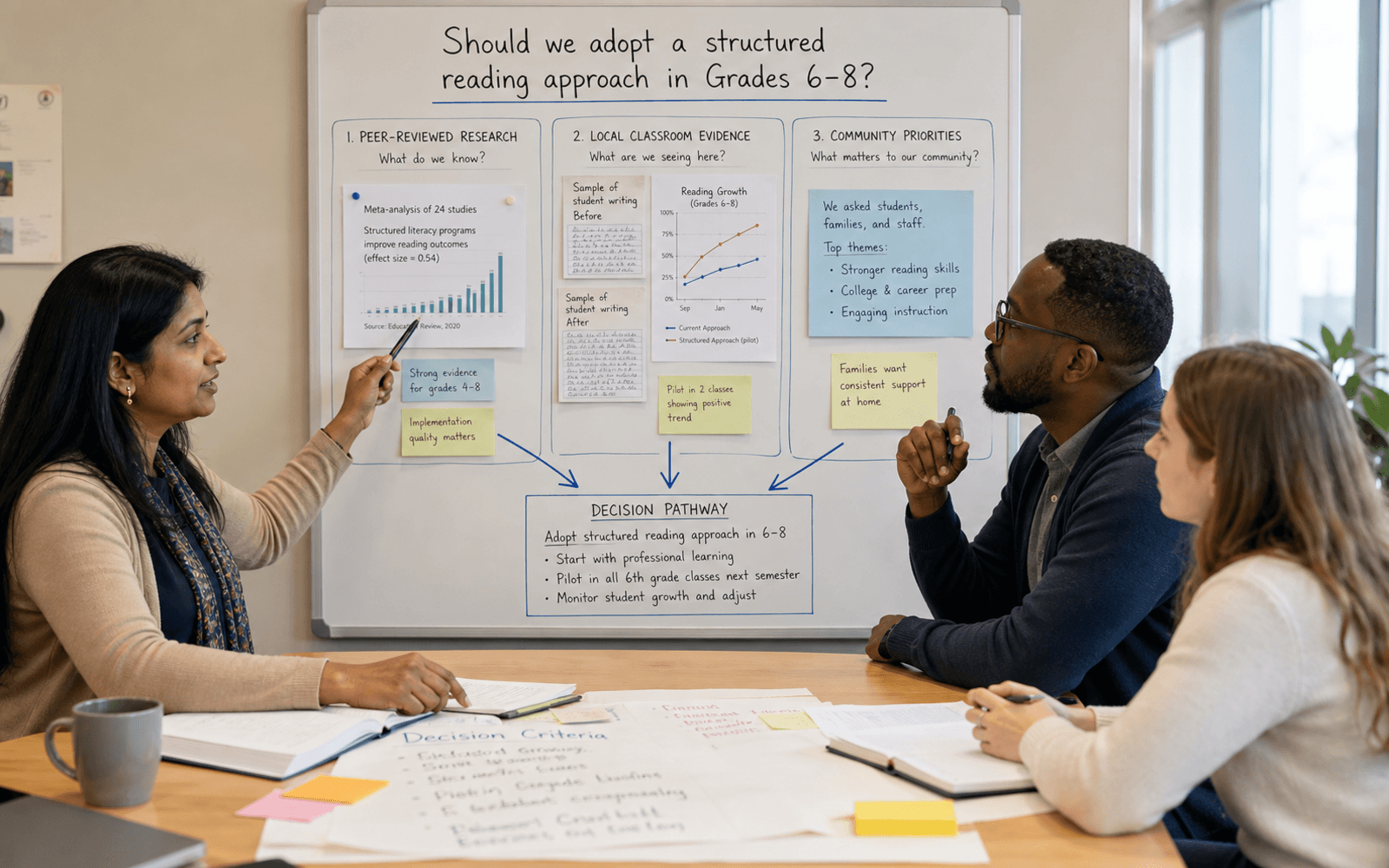
How educators combine relevant research, local data, professional expertise, learner and community knowledge, feasibility, ethics, and ongoing evaluation without treating one study, dashboard, or evidence hierarchy as an automatic answer.

How model weights, code, data information, licenses, deployment, documentation, and provider control shape openness, transparency, reuse, risk, and educational adoption.

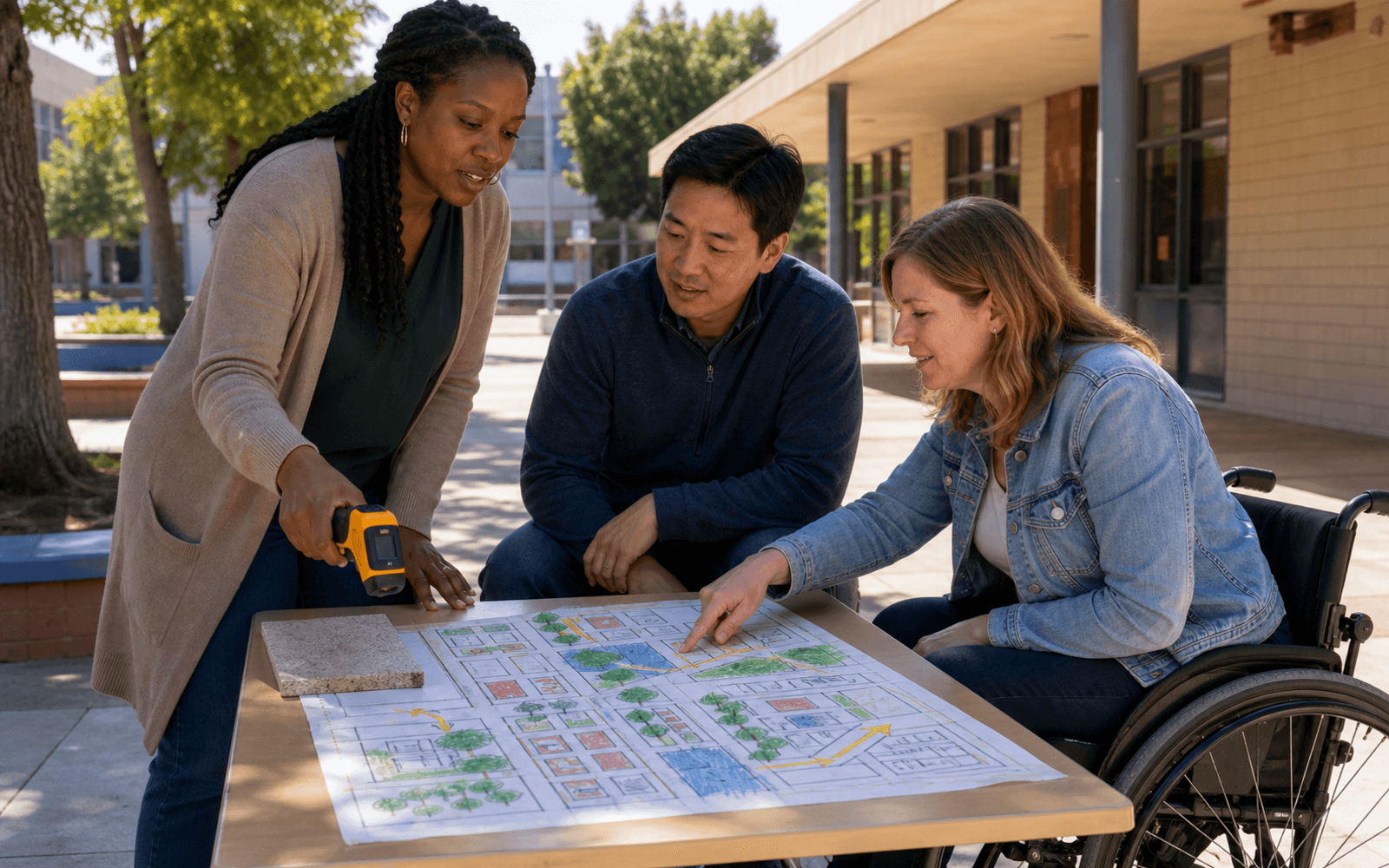
How educators connect rigorous learning with students' cultural knowledge and community resources while avoiding stereotypes, examining power, and co-constructing relevant evidence-rich instruction.