Industry news: OpenAI backs California youth AI safeguards while arguing for continued learning access
OpenAI
AI Product and Learning Report
500-शब्द सार
OpenAI published support for California Senate Bill 1119 on August 31, 2026, urging the governor to sign the measure. The company argues for protections tailored to younger users while preserving access to useful educational activities. It highlights age assessment, independent scrutiny, parental tools, and protections for personal information. This article reports that policy position at the time it was published; it does not treat the statement as confirmation of enactment or as legal guidance for schools elsewhere.
For educators, the underlying design question is how to provide help without assuming that all learners have the same needs or authority. A child asking for a definition, an older student revising an essay, and a teacher preparing materials may require different experiences. A product label alone does not explain those differences. Schools need a clear account of the intended user, the task, the information involved, and the adult who can respond when something goes wrong.
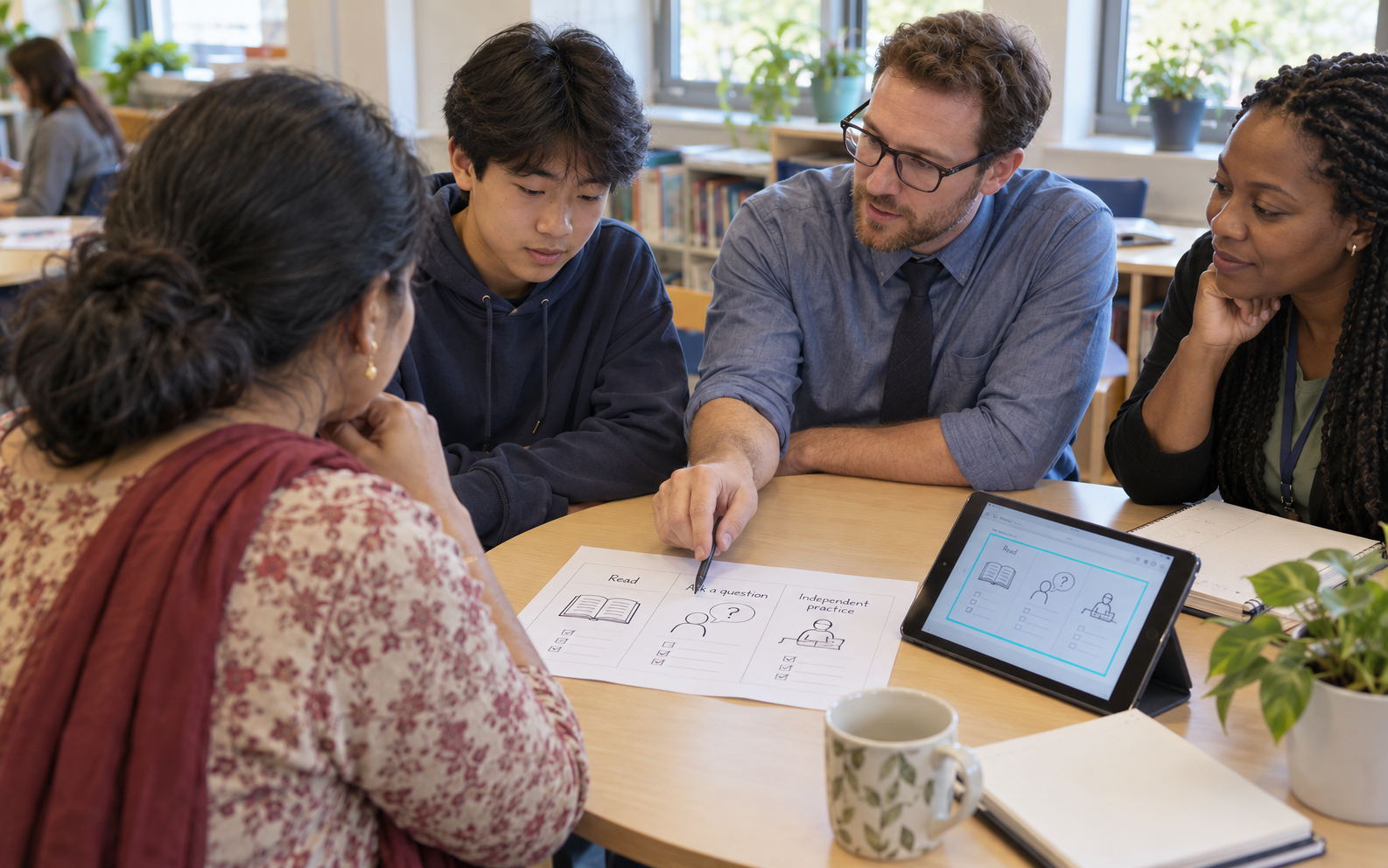
Access and protection are sometimes discussed as if one must always displace the other. A more useful school discussion begins with a specific activity. For instance, an approved practice exercise can be designed around a short, teacher-selected passage and a small set of questions. Students can be shown how to challenge an explanation and how to ask a teacher for help. This gives the institution something concrete to evaluate, instead of debating unrestricted use in the abstract.
Contemporary products illustrate different boundaries. Anthropic's August 28 expansion of Claude for Teachers centres on institutionally managed educator and staff accounts. Google's earlier Gemini in Classroom announcement makes student features dependent on school-administered access and connects prompts with class materials. These approaches should not be described as interchangeable. An educator workspace, a student-facing activity, and a personal consumer account carry different expectations even when they use related model technology.
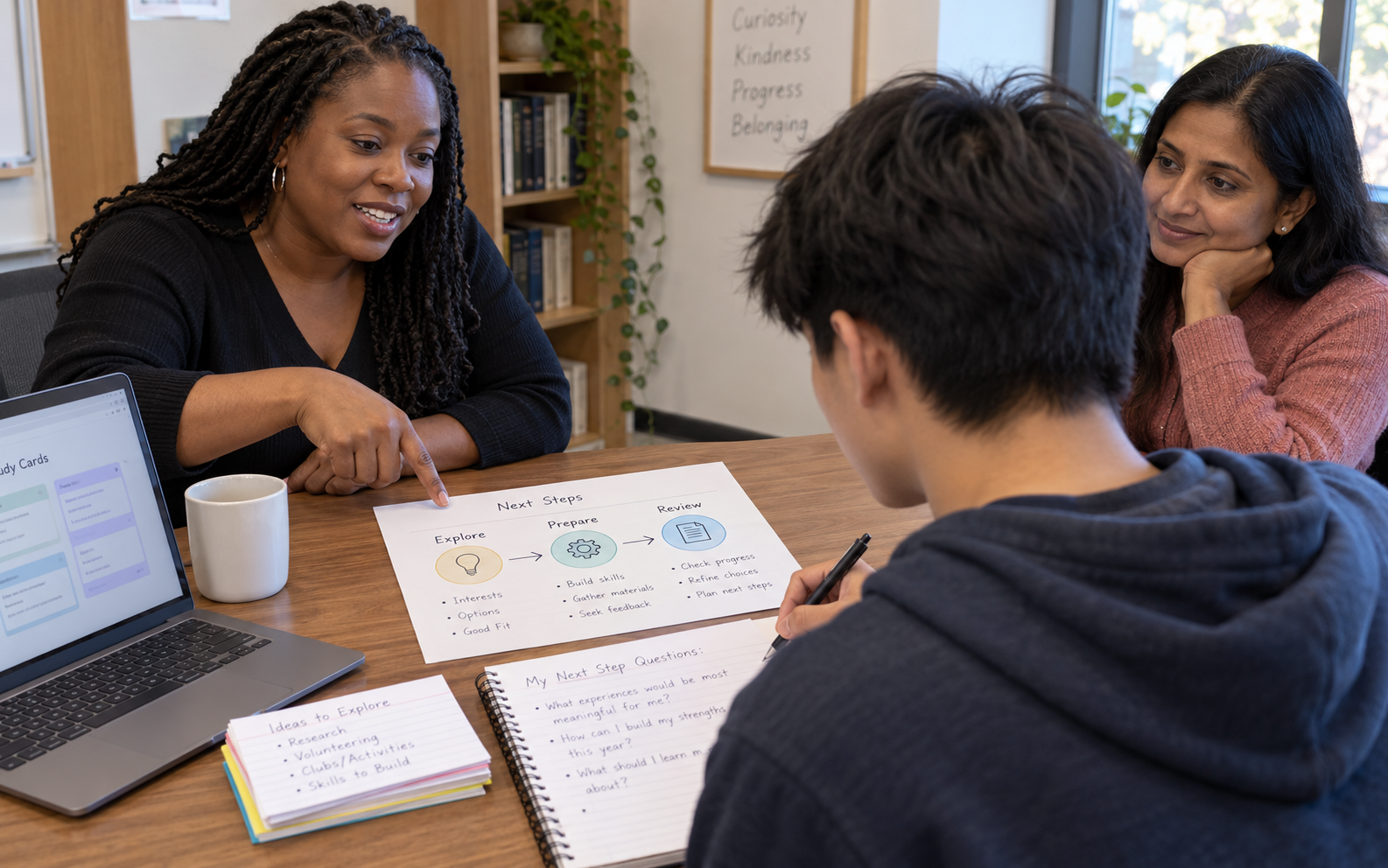
A school consultation can make those expectations visible. Students might review several fictional scenarios and identify where they would want a teacher, parent, or technical support person involved. Families could comment on whether notices are understandable and whether an alternative activity is available. Staff could map who receives concerns and how quickly they can act. Such a consultation would help test the institution's process; it would not certify the product's overall safety.
Evidence also needs to match the claim. The existence of a control does not show how reliably people find it, understand it, or use it. A company policy can describe intended behaviour without measuring every real interaction. Educational evaluation should include misunderstandings, inaccessible instructions, and cases where a student needs a human response. Reports should distinguish the number of accounts covered from the quality of support people actually receive.
For Hong Kong schools, the immediate relevance is comparative rather than a direct statement of local legal duties. OpenAI's position makes youth access and safeguards part of the public AI agenda, while the other product updates show how those concerns reach everyday account and classroom design. A useful institutional response is to define a limited educational purpose, involve the people affected, and review the experience with evidence before broadening it.