Culturally Responsive Pedagogy
How educators connect rigorous learning with students' cultural knowledge and community resources while avoiding stereotypes, examining power, and co-constructing relevant evidence-rich instruction.
المصادر
الملخص الكامل
Culturally responsive pedagogy connects rigorous learning with the cultural knowledge, prior experiences, communication practices, identities, and community resources that learners bring. It begins from the understanding that every classroom is culturally situated, including practices often treated as neutral or standard. Culture is not a fixed list of traits attached to a racial, ethnic, linguistic, or national group. It is dynamic, internally diverse, historically shaped, and lived differently by each person. Teachers therefore learn with students and communities rather than guessing what an identity means.
Related traditions emphasize complementary purposes. Gloria Ladson-Billings described culturally relevant pedagogy through academic success, cultural competence, and critical consciousness. Geneva Gay emphasized using cultural knowledge, experiences, and frames of reference to make teaching more relevant and effective for ethnically diverse learners. Culturally sustaining pedagogy extends the stance by supporting linguistic and cultural pluralism rather than treating dominant practices as the only desired destination. These approaches do not lower expectations. They ask how demanding disciplinary learning can recognize learners' resources, expand their repertoires, and help them examine inequity.
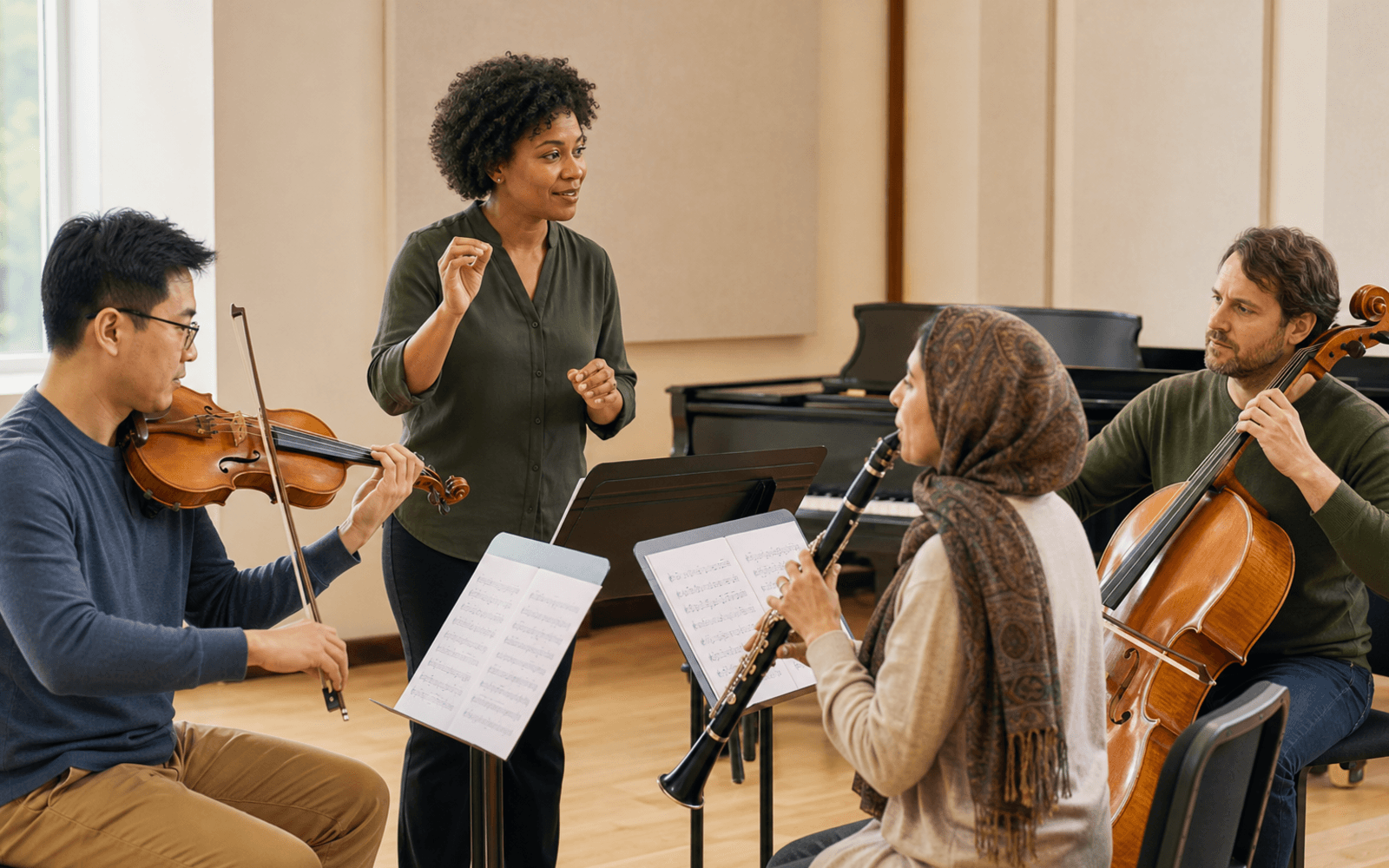
Responsive teaching requires more than adding diverse names, foods, festivals, or images to an unchanged lesson. Teachers study the communities they serve, reflect on their own assumptions, examine whose knowledge appears in materials, and build relationships that make revision possible. They can use examples from varied settings, invite more than one way to explain reasoning, connect academic concepts with community questions, and provide access to disciplinary language without devaluing home languages. Formative assessment helps teachers learn whether a connection supports understanding instead of assuming that it will.
Stereotyping is a central risk. A learner should not be asked to represent an entire group or be assigned a supposedly cultural learning style. Participation choices, pronunciation, multilingual resources, discussion routines, and examples should be designed with learners, then checked for access and intellectual value. Teachers also need to notice classroom power: who speaks, whose evidence counts, who is positioned as knowledgeable, and whether disagreement can occur without humiliation. Critical consciousness adds questions about how knowledge and opportunity are produced, not only whether content feels familiar.
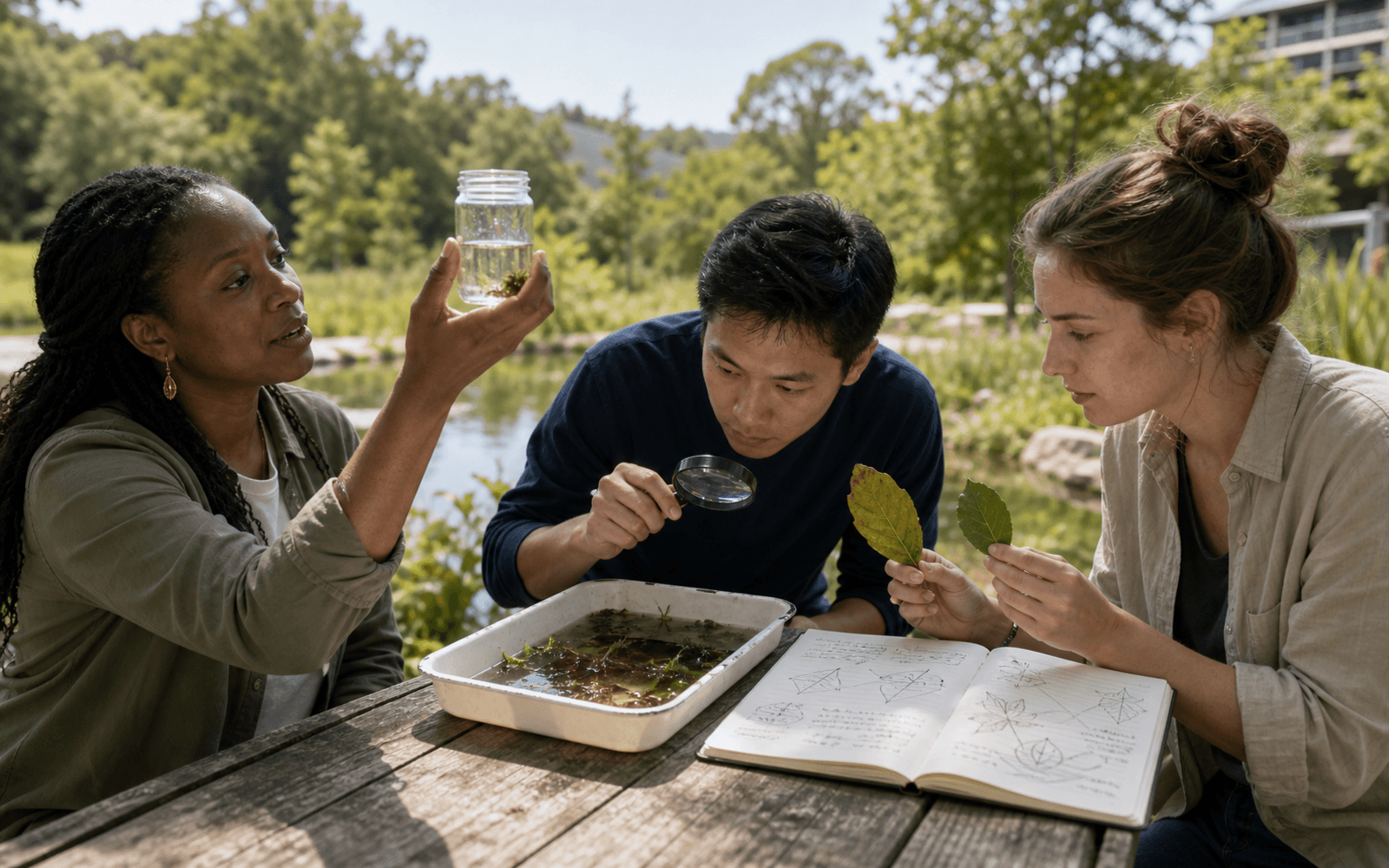
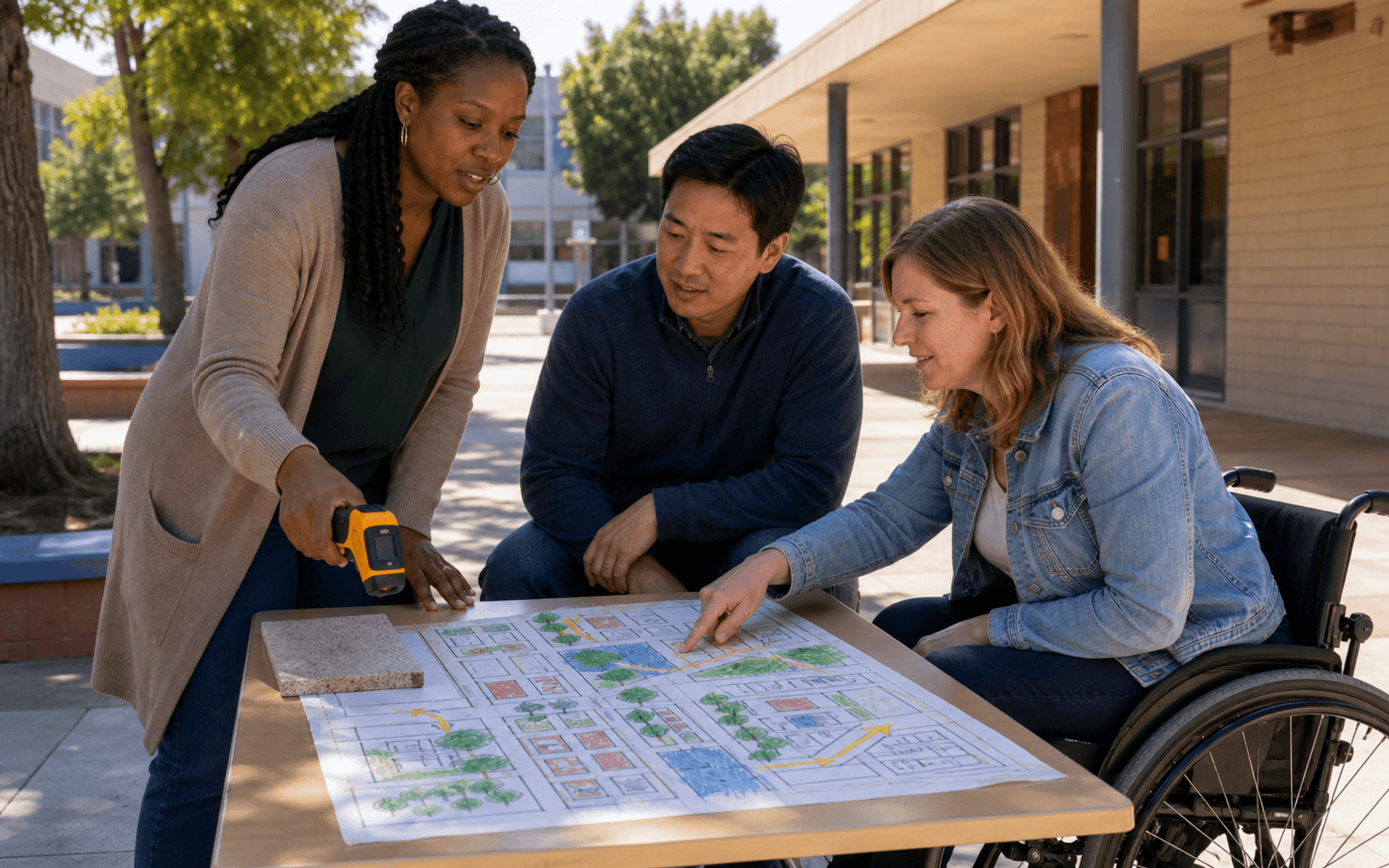
In education, a class might investigate heat exposure around the school and nearby neighborhoods. Learners combine temperature measurements, shade observations, maps, community accounts, and historical land-use evidence. The teacher explicitly teaches the relevant science and data methods, helps groups test competing explanations, and ensures that personal experience is invited but never demanded. Learners examine whose locations and concerns are missing, create evidence-based explanations, and propose responses for a real audience. They then reflect on how their knowledge, identities, and collaboration shaped the inquiry. Culturally responsive pedagogy makes rigorous learning more connected and just when relevance is co-constructed, evidence remains central, and culture is treated as a living resource rather than a label.