Product news: Gemini immersive explorations turn visual topics into layered learning journeys
AI Product and Learning Report
500 字摘要
Google announced immersive explorations in the Gemini app on October 28, 2026. The feature presents topics through interactive visual layers with guided explanations, including examples ranging from historical trade routes to physical systems. Google says users can enter through the Gemini student hub or a dedicated web address, with student-hub access available in Education Fundamentals, Standard and Plus. The release describes direct access within chat and audio narration as forthcoming, so they should not be assumed to be available in every account today.
The official announcement lists English, Indonesian, Hindi, Brazilian Portuguese, French and simplified Chinese. Other language settings currently receive an English-only experience. This matters for Hong Kong educators planning Cantonese or traditional-Chinese instruction: access to the feature does not establish that its explanations fit the language of their lesson. The announcement describes product availability and functionality, not a controlled study of learning outcomes.
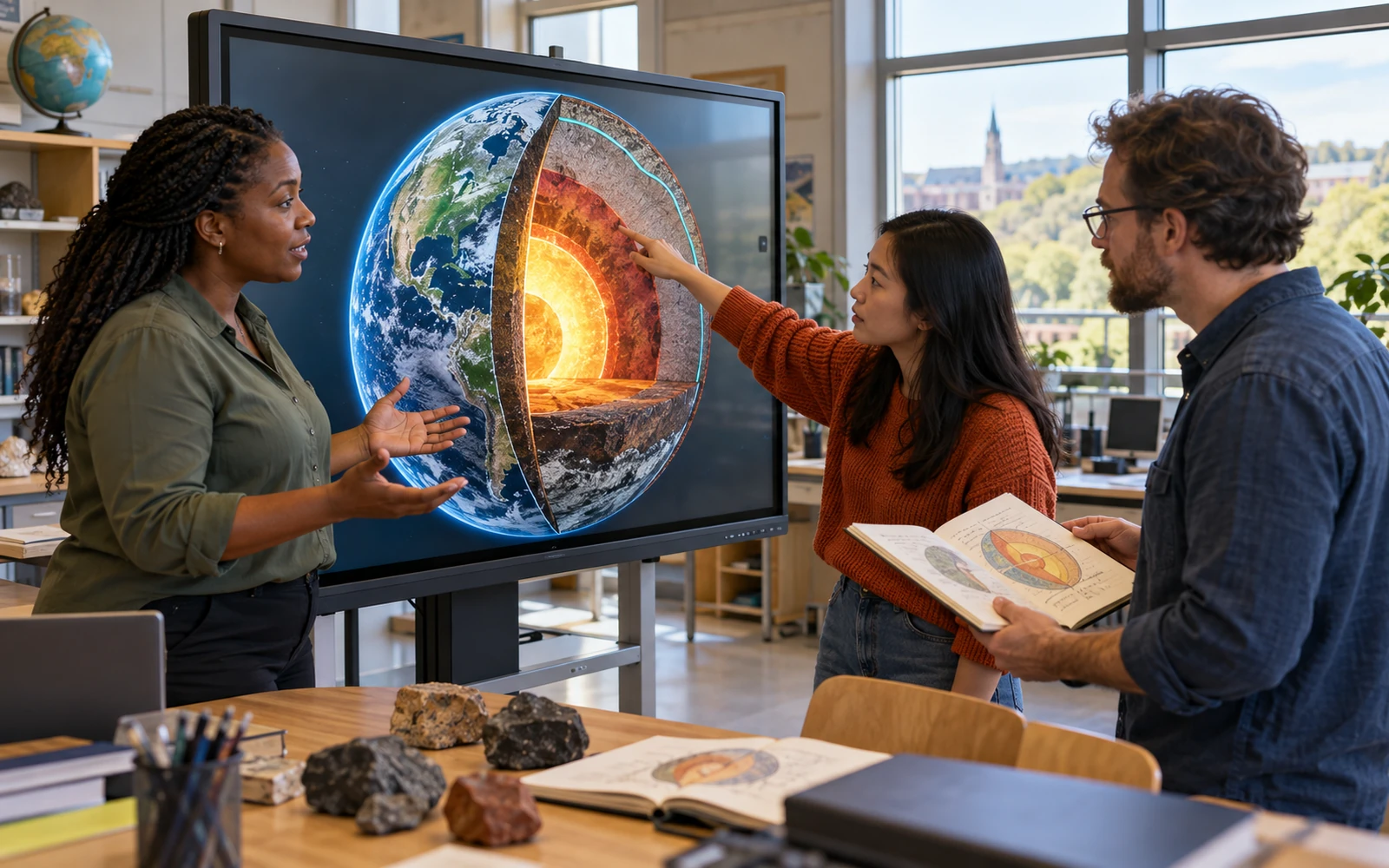
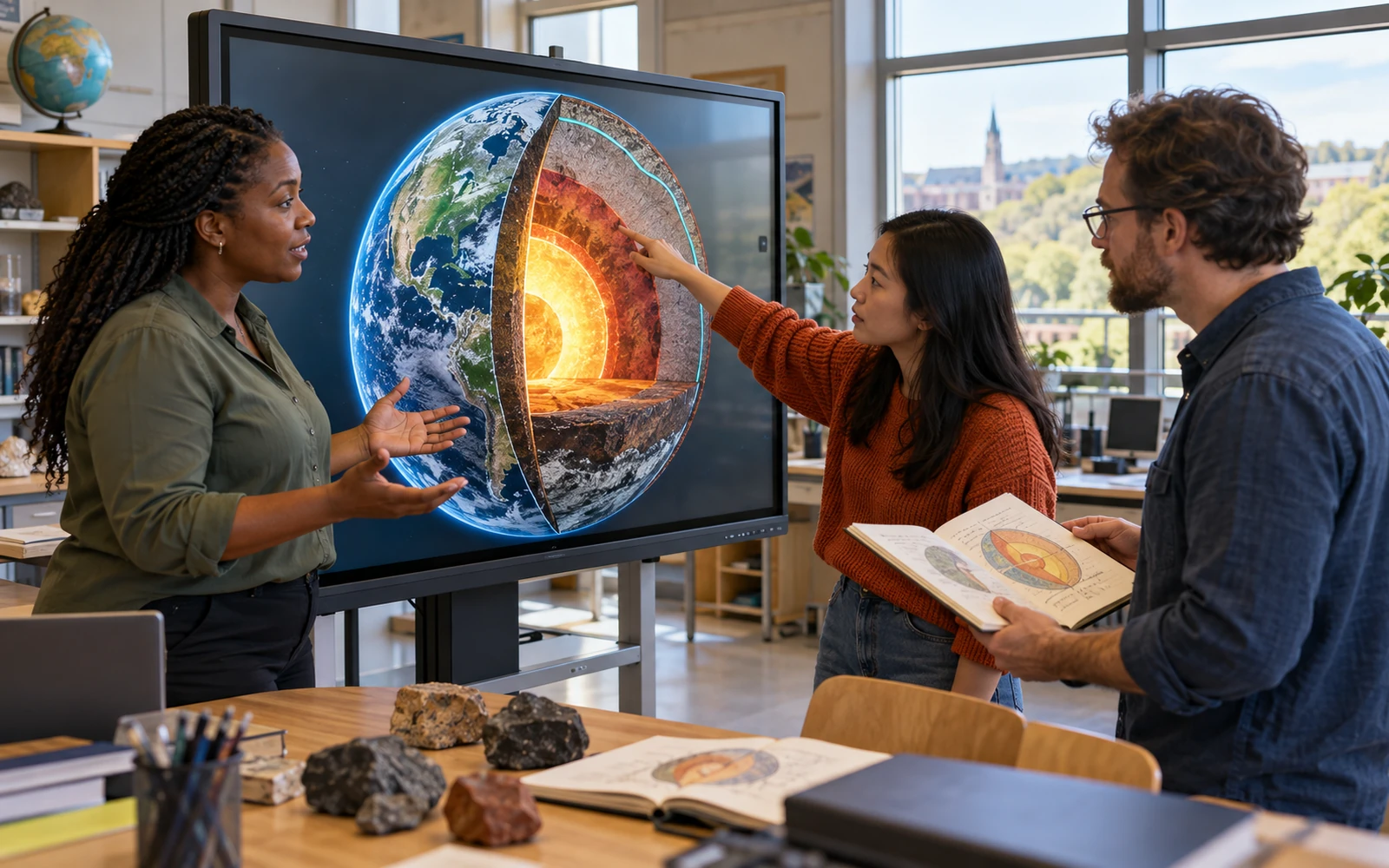
The following activity is an AIEDHK proposal for using a layered visual resource deliberately. A science teacher could ask students to predict what they will find inside a familiar physical system before opening the exploration. Each pair would sketch one relationship and explain the mechanism they expect. The teacher would select a small number of layers that address the lesson objective, keeping the exploration focused enough for students to compare their prediction with what they encounter.
At each selected layer, learners could record one observation, one explanation and one question. Those categories help separate what the visualization shows from what a learner infers. A compelling animation can make a mechanism appear obvious even when an important condition is omitted. The teacher could pause at that point and ask which feature of the display supports the explanation and which part would need another source or a physical demonstration.
After the exploration, students would revise their initial sketch and identify the evidence behind the change. A new example without the interactive resource would then check whether they can apply the relationship independently. For a topic involving scale, the teacher might ask what remains the same and what changes when moving between the whole system and one component. This creates an assessable connection between navigation and conceptual understanding.
Teachers would also need an accessible route through the material. A checked text description, a static diagram or an oral explanation may serve learners who cannot use the interactive display comfortably. Language support should preserve the scientific meaning rather than merely replace words. These alternatives can be planned before the lesson so that the visual interface does not become the only way to participate.
Gemini's new feature provides another format for exploring educational content. Its value will depend on the questions, explanations and follow-up tasks that surround it. A small pilot can examine accuracy, accessibility, learner reasoning and preparation time before a school adopts the experience more widely. The aim is to make a visual journey produce inspectable learning, not simply a record of clicks through attractive scenes.