Product news: GPT-6 Sol and Luna broaden lower-cost model choices for educational and research workflows
OpenAI
AI Product and Learning Report
500 字摘要
OpenAI introduced GPT-6 Sol and GPT-6 Luna on September 22, 2026. This September 23 report examines the models' relevance to educational and research workflows, rather than treating the reporting date as their launch. OpenAI positions them as more affordable options for coding, professional work, and computer use. The launch announcement lists API access and selected ChatGPT Work and Codex plans, while noting that the models were not yet available in Chat.
The two tiers create a practical selection problem. A task that extracts a few fields from a well-structured document may need a different level of capability from one that reconciles conflicting evidence across several sources. Choosing the most expensive model for every step may waste resources; choosing the cheapest without checking its errors can also be costly. The useful unit of comparison is a completed, reviewed task.
At launch, standard API prices were $2 per million input tokens and $10 per million output tokens for Sol, and $0.10 and $0.50 respectively for Luna. Those prices do not determine the final cost of a workflow. A longer answer, repeated attempts, tool use, and human correction can change the result. Institutions should compare the total effort required to reach an acceptable output under the same task conditions.
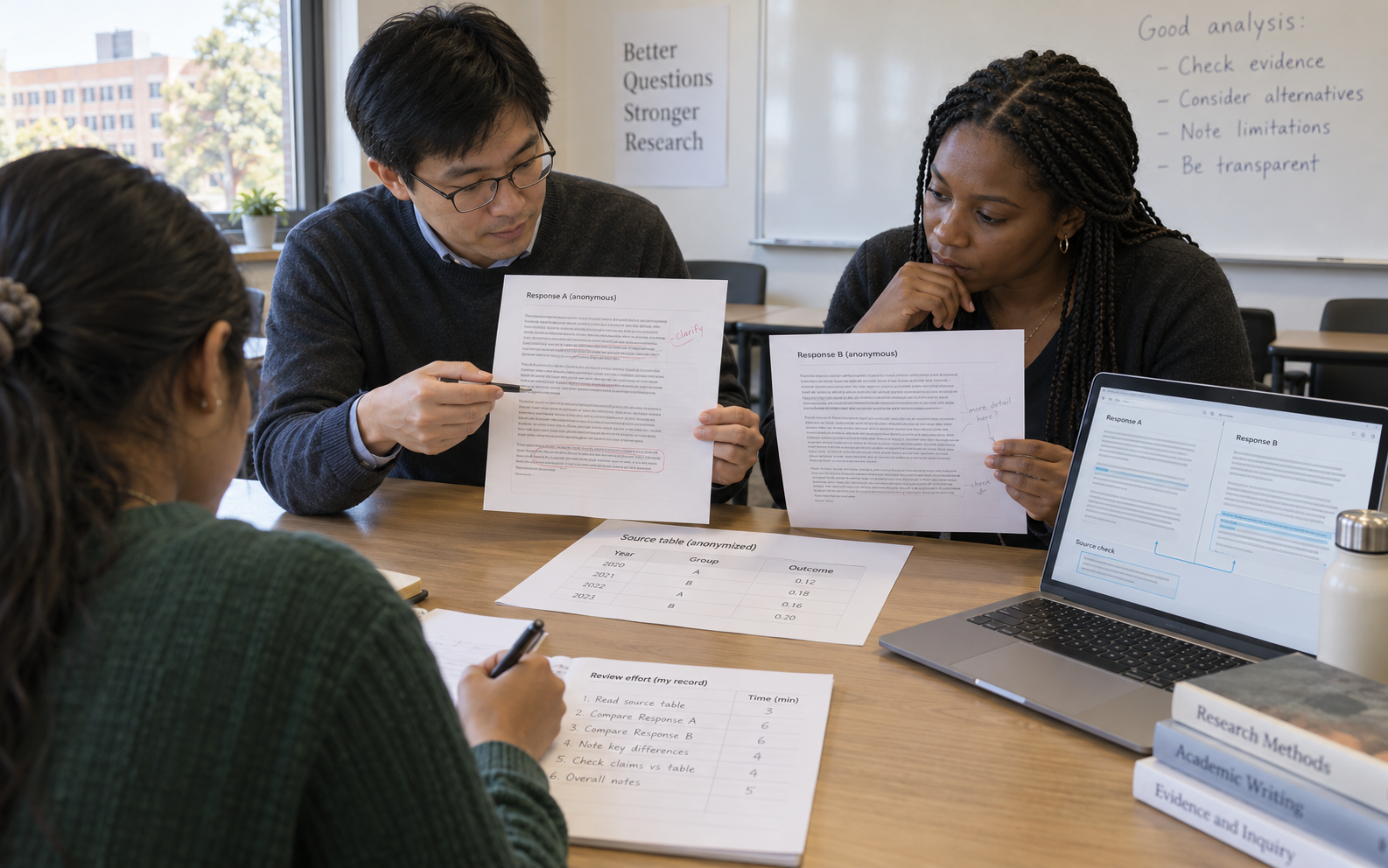
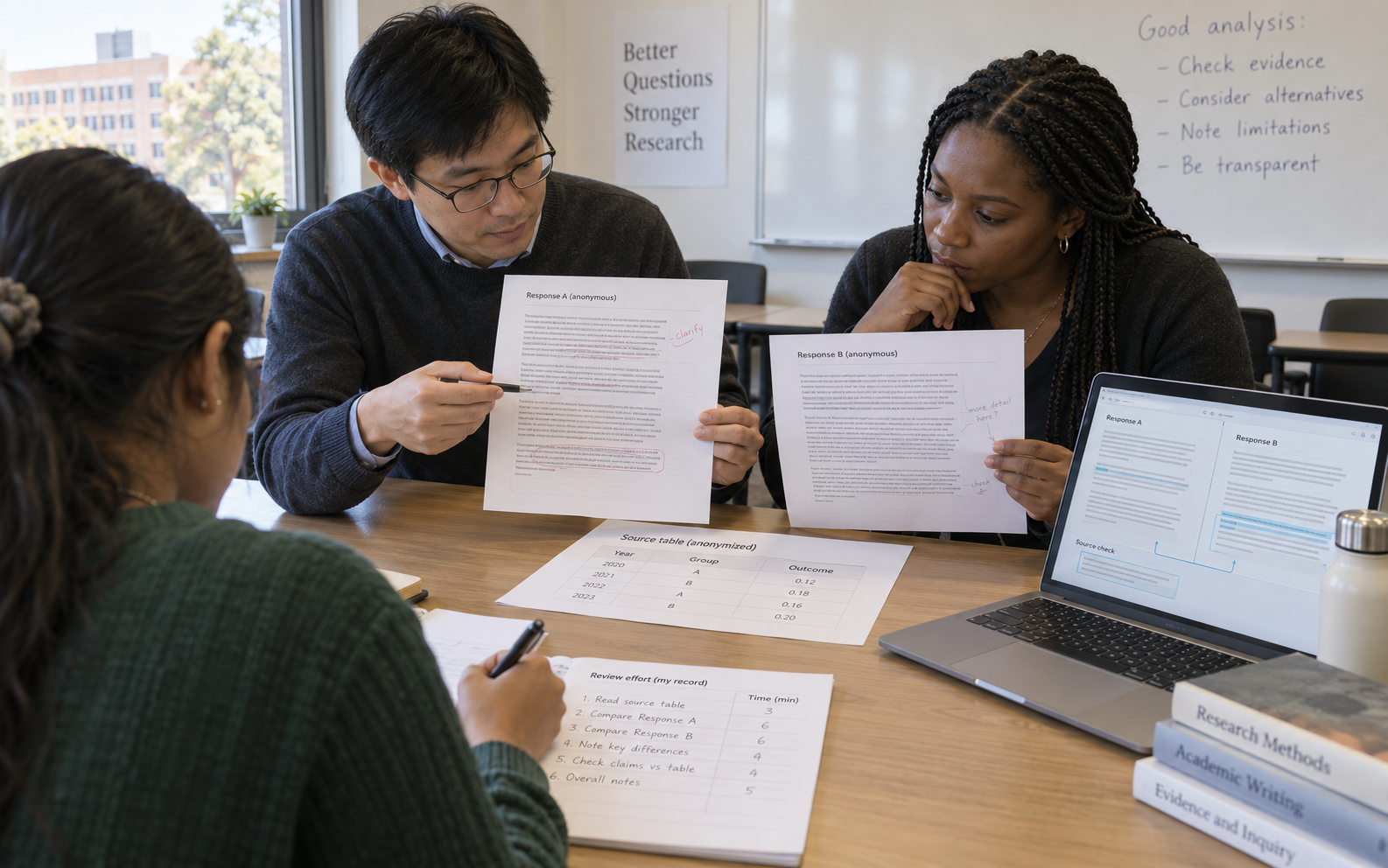
A university pilot could select several ordinary activities: organising a supplied reading list, checking a table against its source, and explaining a small piece of code. Reviewers would decide in advance what counts as an error and which qualifications must remain visible. They could then compare models without knowing which produced each response. The exercise should record failure cases as well as successful outputs, rather than showcasing only the best examples.
Anthropic's same-day Opus 5.5 announcement also emphasises efficiency and complex work. Gemini's existing inquiry and learning tools provide a contrasting reminder that task completion is not the only educational objective. OpenAI's new tiers broaden the options, but a cheaper or stronger assistant does not decide which parts of a learning activity should be delegated. Teachers still need to identify the reasoning students must practise themselves.
For an educational application, model selection may change within one workflow. A relatively simple stage could organise known material, while a harder stage could receive additional scrutiny or a different model. Such routing should remain understandable to the team maintaining the application. When a result fails, they need to know which stage and configuration produced it, rather than assume that a product name describes every action taken.
The release is therefore an opportunity to make model choice more deliberate. A small evaluation with realistic tasks can reveal where lower cost preserves acceptable quality and where additional capability or human attention is worthwhile. Students can participate by explaining the trade-offs and checking outputs against sources. The strongest educational use would combine broader access with better judgment about when an assistant is sufficient, when it is uncertain, and when the work should remain with a person.