Product news: Google Meet completes an education-admin rollout for more selective automatic AI notes
Google Workspace
AI Product and Learning Report
500 字摘要
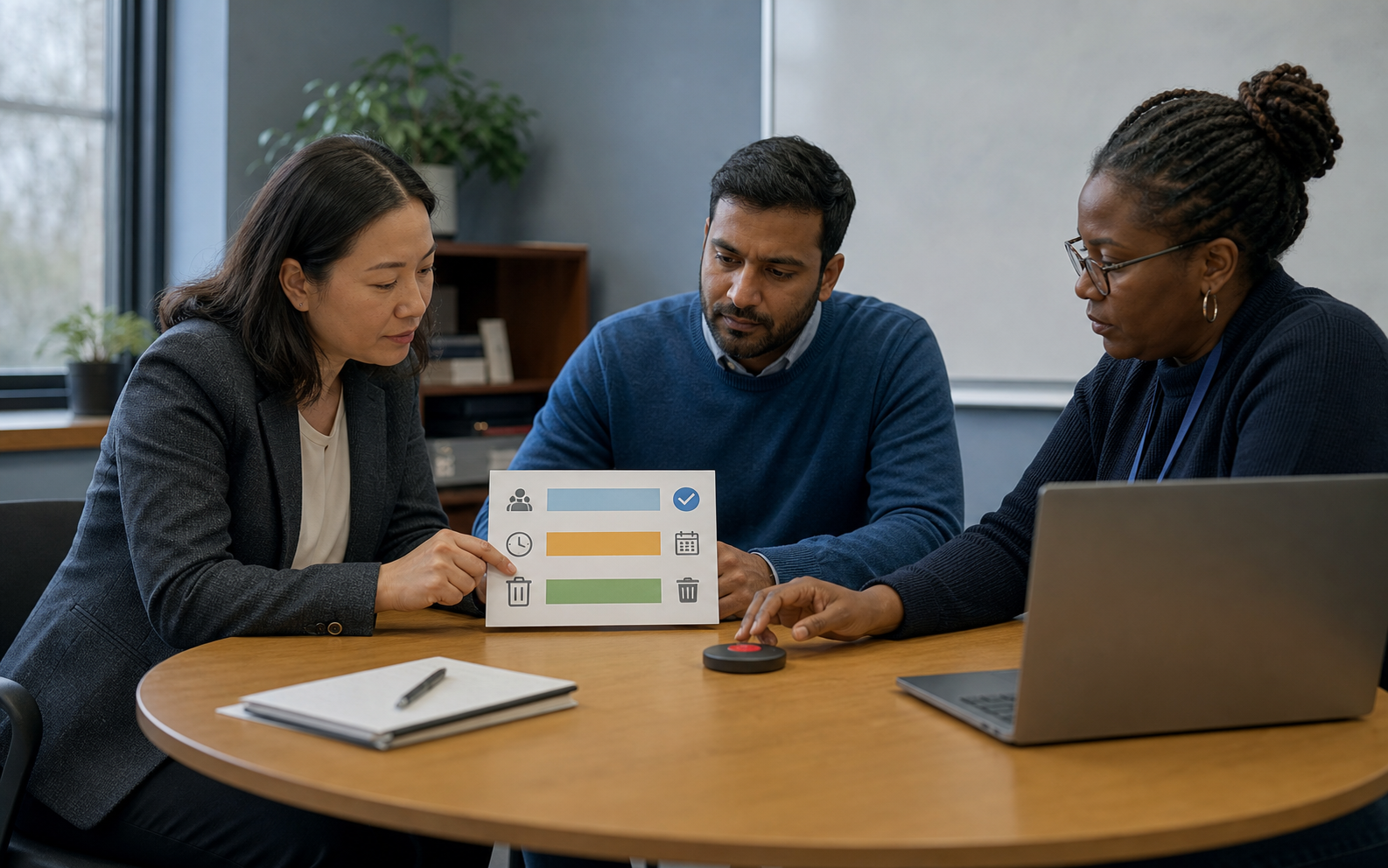
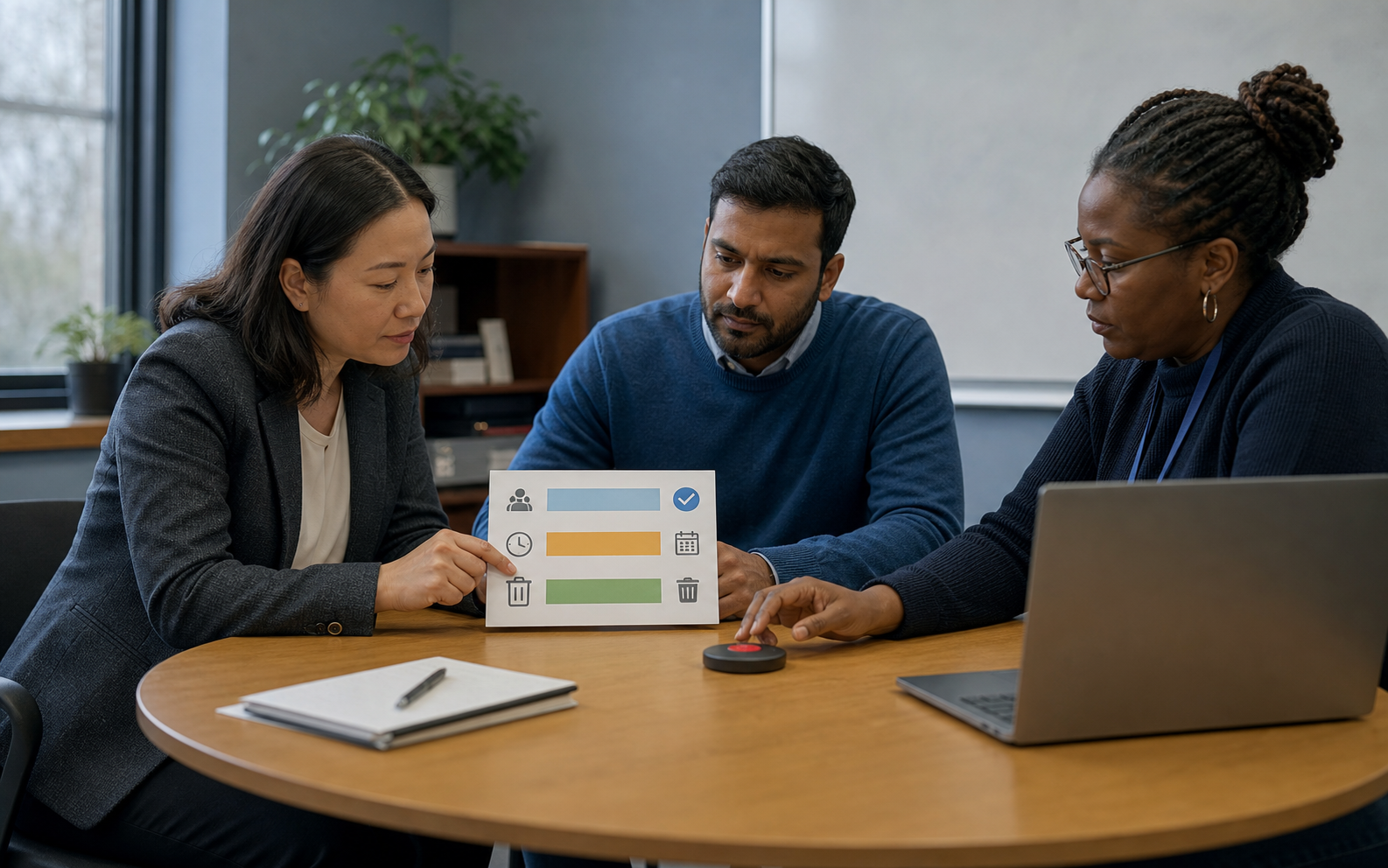
Google's August 3 milestone concerns an administrator control, not the universal launch of automatic meeting notes. The company expected rollout of a new Google Meet setting to complete by that date. Previously, administrators could generally enable or disable automatic AI note-taking. The additional option lets them set automatic notes only for meetings with three or more people, aiming to avoid applying the feature to every small conversation.
For education customers, the timing and defaults matter. Google lists the setting for organizations with the Google AI Pro for Education add-on and says it is off by default for that route. The administrator configuration was not expected to affect end users before September 21, 2026. After the later user rollout, individuals would be able to override the administrator default in their Meet settings. Describing August 3 as the day all teachers and students began automatic note-taking would therefore be inaccurate.
The gap between configuration and activation gives schools a governance window. AI notes can support accessibility, help absent colleagues understand a meeting and reduce the burden of producing routine minutes. They can also capture sensitive information from safeguarding discussions, individual education planning, counselling, disciplinary meetings, parent conferences or staff deliberation. A transcript-like summary may omit uncertainty, misattribute a statement or turn a provisional conversation into an apparently official record.
Before enabling the setting, a school can classify meeting types and identify those that must never start automatic notes. It can decide when explicit participant consent is required, who receives the notes, where they are stored, how long they remain and how a participant requests correction or deletion. External guests, students, interpreters and support staff need an understandable notice rather than a hidden administrator assumption. Local law and institutional policy may impose obligations beyond the product setting.
The three-guest threshold is only a convenience rule. It cannot determine whether a meeting is educationally important, confidential or appropriate to record. Administrators should pair it with host guidance, restricted sharing, retention rules and periodic audit. A pilot can compare AI notes with recordings or human minutes on a small authorized sample, scoring speaker attribution, omissions, action items and treatment of multilingual conversation.
For Hong Kong schools and universities, language mixing is an additional test. Cantonese, English and Putonghua may appear in one meeting, and names or specialist terms can be mistranscribed. Participants should be able to inspect the original context and challenge the summary before it becomes part of an official workflow.
The product-news significance is the arrival of a more selective control surface. It creates a useful pause before end-user activation, but it does not resolve consent, confidentiality, accuracy or record ownership. Those remain institutional decisions that must be made before the first automatic note is trusted.
The safest default may differ across meeting categories, so one domain-wide switch is rarely sufficient. Governance should be reviewed with educators, safeguarding staff, data-protection leads and people who depend on captions or notes for access.