Product news: Claude opens a plugin submission portal, giving educational developers a clearer route from prototype to distribution
Anthropic
AI Product and Learning Report
500 字摘要
Anthropic announced a plugin submission portal on September 25, 2026. Developers on paid Claude plans can submit extensions, receive automated checks and review feedback, and choose when to publish after approval. Plugins can package connectors, reusable skills, or both. The update gives builders a clearer path into the Claude directory, but it does not establish that an approved extension has been evaluated for a particular course, age group, or educational purpose.
For educational developers, distribution changes the scale of responsibility. A prototype used by its author can rely on explanations given in person. A tool installed by another teacher needs to communicate its purpose, expected inputs, and limitations on its own. It should behave sensibly when a file is missing, a source is unavailable, or the user asks for something outside its intended scope. Those situations belong in development before the listing becomes public.
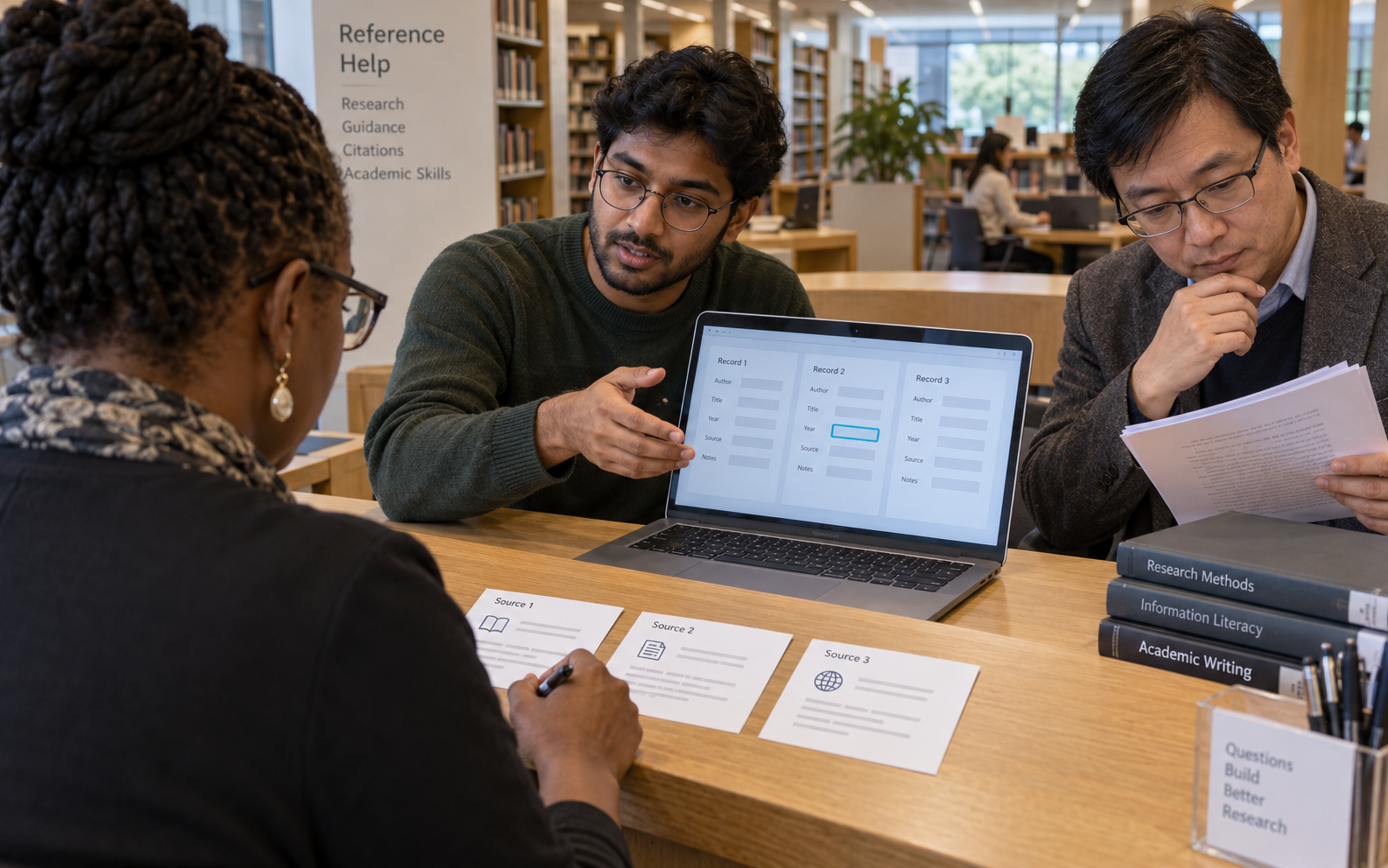
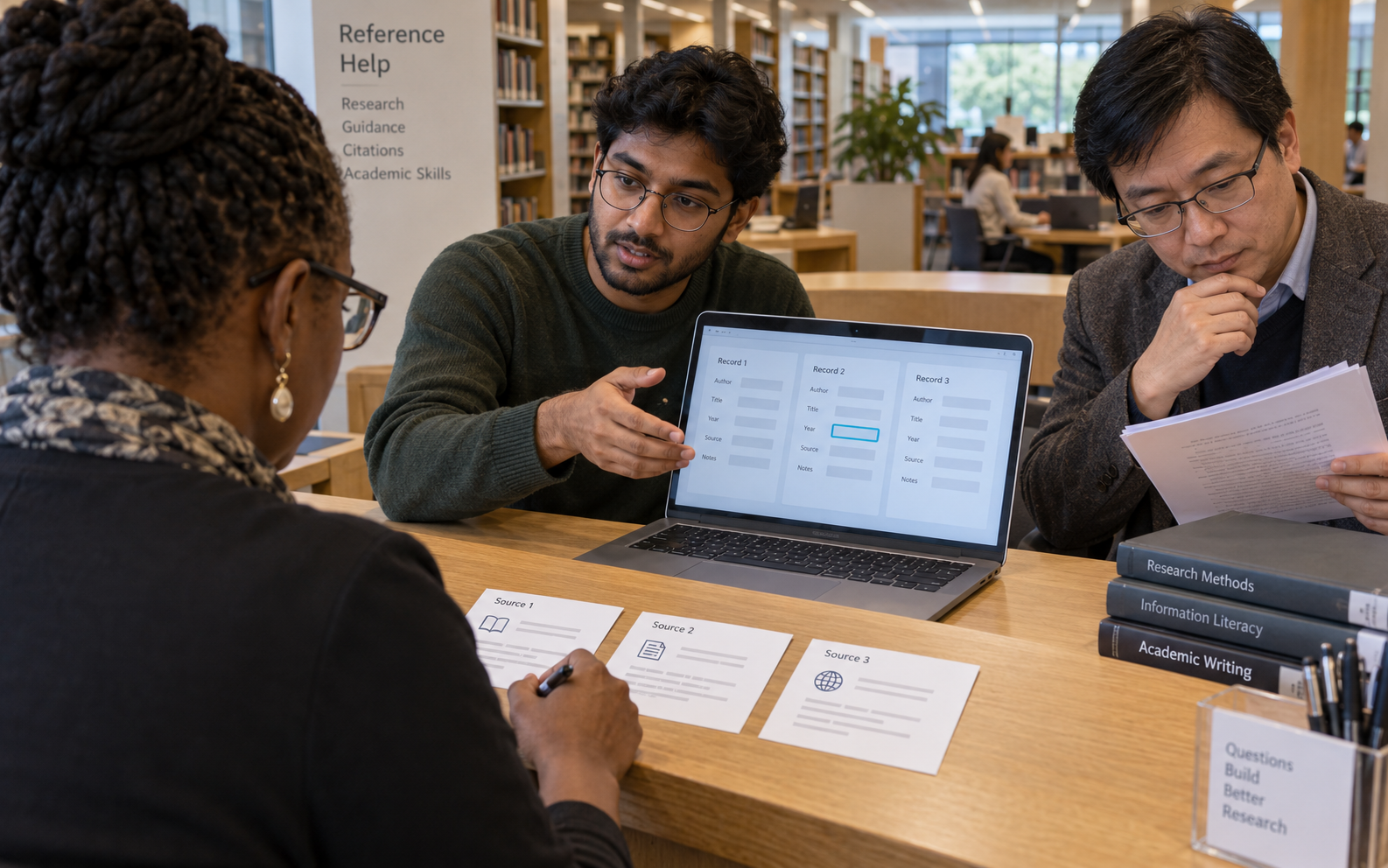
A small university team might build a tool that checks a supplied bibliography for incomplete fields. The first version could work on the team's own examples, yet fail on another discipline's sources or a bilingual document. A useful evaluation would include those cases and explain what the tool does not determine. Finding a complete-looking citation is different from confirming that the source exists or supports the claim in the text.
Reusable instructions also need maintenance. A skill can encode a good workflow, but the surrounding application, source format, or institutional expectation may change. The developer should make it possible to identify the version used and understand consequential updates. Teachers who rely on the tool need a way to report a failure without exposing student work unnecessarily. A public listing is the beginning of that relationship, not the end of development.
OpenAI's September Academy expansion includes a developer pathway covering evaluation and operating AI applications. Google's Gemini-related educator training offers a complementary view from teaching practice. These resources can help a team connect technical testing with the activity a teacher is trying to support. Anthropic's portal adds a distribution process; the institution still needs to decide whether the extension fits its users and evidence requirements.
Usage analytics can help identify where a tool is being found or installed, but they should not be read as measures of learning. Many installations may reflect curiosity, while a smaller number of sustained users may reveal a valuable niche. Developers can pair those signals with specific reports: which task was attempted, where the result failed, and what the user needed instead. That information is more useful for improvement than popularity alone.
An educational extension is ready for wider use when someone outside the original team can understand, test, and question it. A clear description, realistic examples, visible limitations, and a correction route all contribute to that readiness. The new portal makes the publication process easier to follow. For educators building tools, the more important achievement is a reusable activity that colleagues can adopt with an informed understanding of what it does and what still requires their judgment.