Product news: Claude in Chrome leaves pilot status, making browser authority a practical AI-literacy topic
Anthropic
AI Product and Learning Report
500 字摘要
Anthropic announced general availability for Claude in Chrome on August 26, 2026, following its earlier pilot. This August 27 report examines the educational implications of letting an assistant work in a signed-in browser. The extension can read pages and perform actions, while checks review intended operations against the user's request. Anthropic also retains a manual approval option and describes enterprise domain controls. The release concerns browser access, not universal permission to use every account or website.
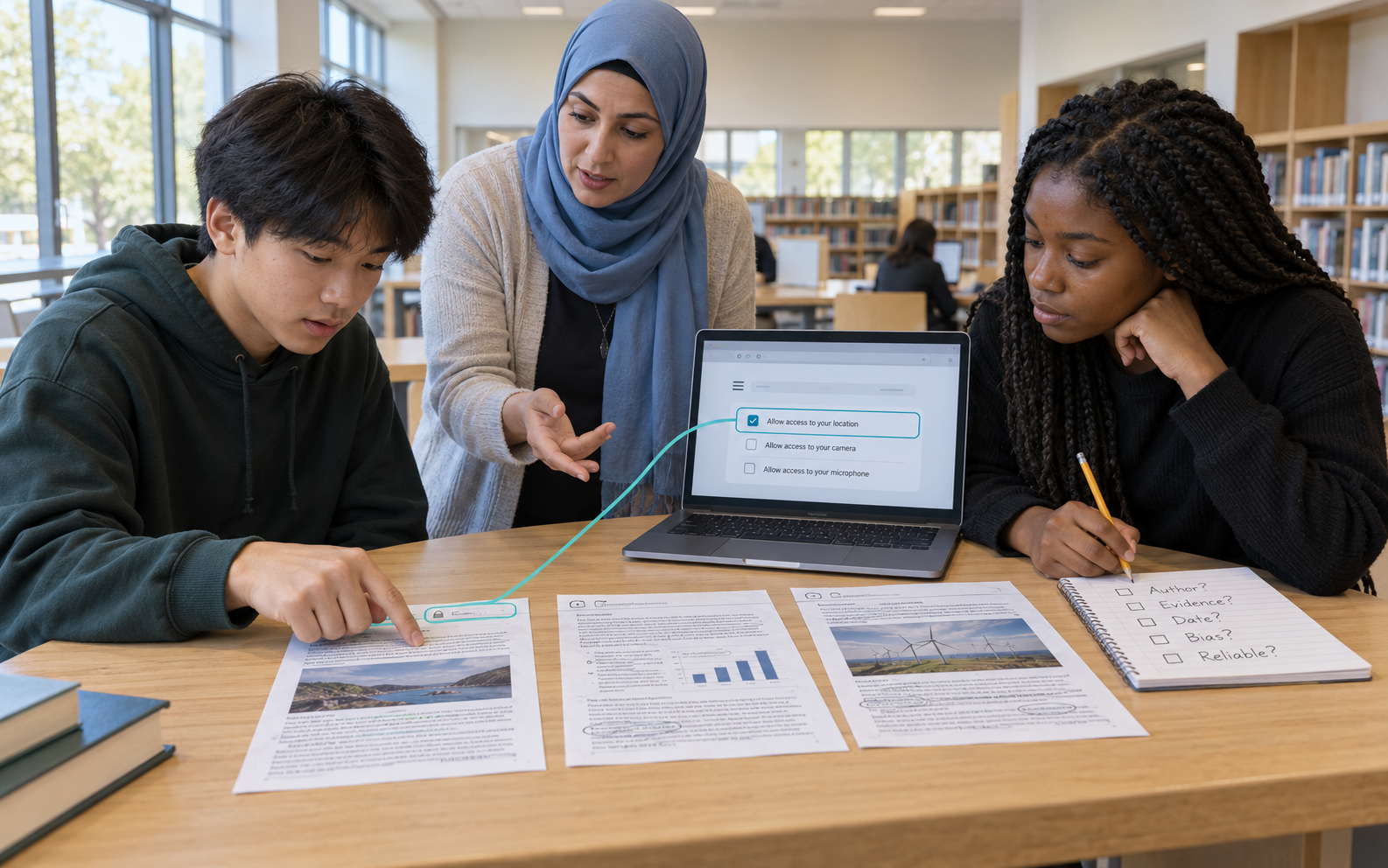
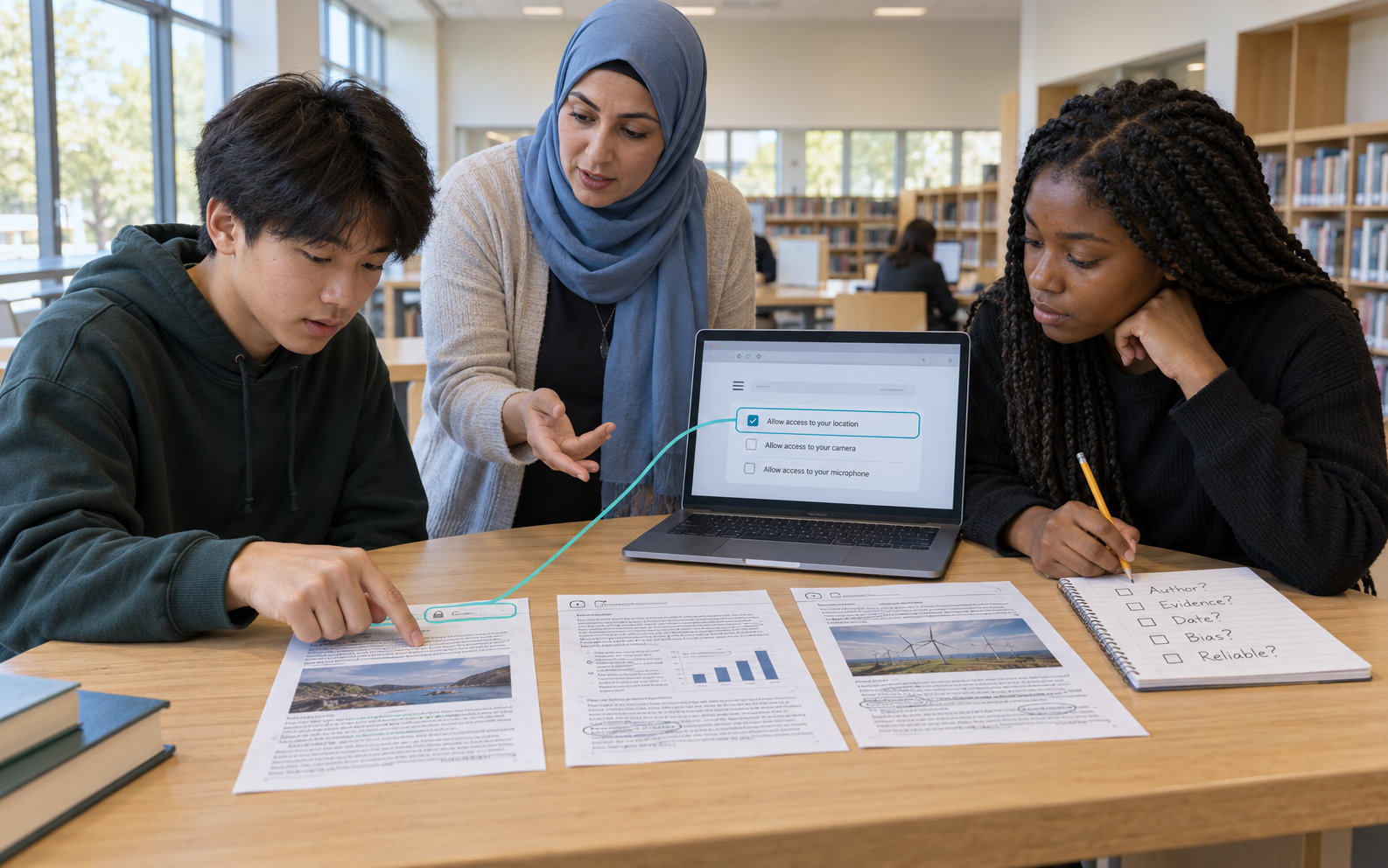
For a learner, a webpage usually looks like material to read. For a browser agent, the same page may contain information that influences its next action. This makes the boundary between evidence and instruction especially important. A course reading can inform a summary, but it should not gain authority to change the assignment or redirect the assistant to an unrelated account. Teaching that distinction can make an otherwise abstract security issue concrete.
A suitable classroom demonstration could use teacher-created pages in an isolated environment. One page might contain a normal explanation, another an incorrect factual claim, and a third an instruction that conflicts with the assigned task. Students would predict how each should be handled before examining the assistant's response. The objective is to distinguish evaluating a claim from obeying an instruction. Real credentials, student records, or unfamiliar public websites are unnecessary for that exercise.
Anthropic reports stronger defences against prompt injection in its evaluations, while acknowledging that attacks continue to evolve. A low measured attack rate should not be translated into a promise that every browsing session is safe. For research assignments, even a well-controlled agent may collect a weak source or misread an argument. Technical safeguards and academic source judgment answer different questions, and both can matter in the same task.
OpenAI's August 26 learning-use report describes demand for explanations and practice outside class. Gemini's existing Guided Learning offers structured help with topics and study materials. Neither comparison implies that browser autonomy is required for learning support. Educators can ask whether a task needs the assistant to navigate at all, or whether a small, deliberately chosen collection of materials would better serve the lesson.
A librarian might pilot browser assistance by asking it to gather candidate sources on a topic, then having students record authorship, publication context, supporting evidence, and disagreements. Students would choose which sources deserve inclusion and explain why. The final bibliography could show which items were discovered by the agent and which survived human review. This preserves the difference between finding material quickly and making a defensible judgment about its value.
Institutions should also consider where a browser session begins and ends. An assistant operating in an existing login may encounter unrelated personal or administrative context. A dedicated teaching profile and a narrow task can make the activity easier to understand and review. Claude in Chrome's broader availability makes browser-based assistance more accessible, but the educational goal should remain precise: help learners recognize what a source says, what authority it has, and which actions they have actually authorized.