Interacting with ChatGPT in essay writing: A study of L2 learners’ task motivation
Javad Zare, Ahmad Al-Issa, Fatemeh Ranjbaran Madiseh
ReCALL
500 字摘要

A learner can feel more motivated to write after using ChatGPT without necessarily becoming a better writer, and an immediate motivational advantage may not remain statistically clear a month later. A ReCALL study of university English learners illustrates both distinctions. Its results support a short-term increase in task motivation, while the delayed comparison places an important boundary around claims of a lasting advantage.
Javad Zare, Ahmad Al-Issa, and Fatemeh Ranjbaran Madiseh studied 69 Persian-speaking learners of English in Iran. Participants had a broadly comparable B1 proficiency level and were assessed for initial writing ability and motivation. The methods report random assignment to two instructional conditions. Over twelve twice-weekly sessions, the same teacher used a presentation, practice, and production sequence, while the support available during essay production differed.
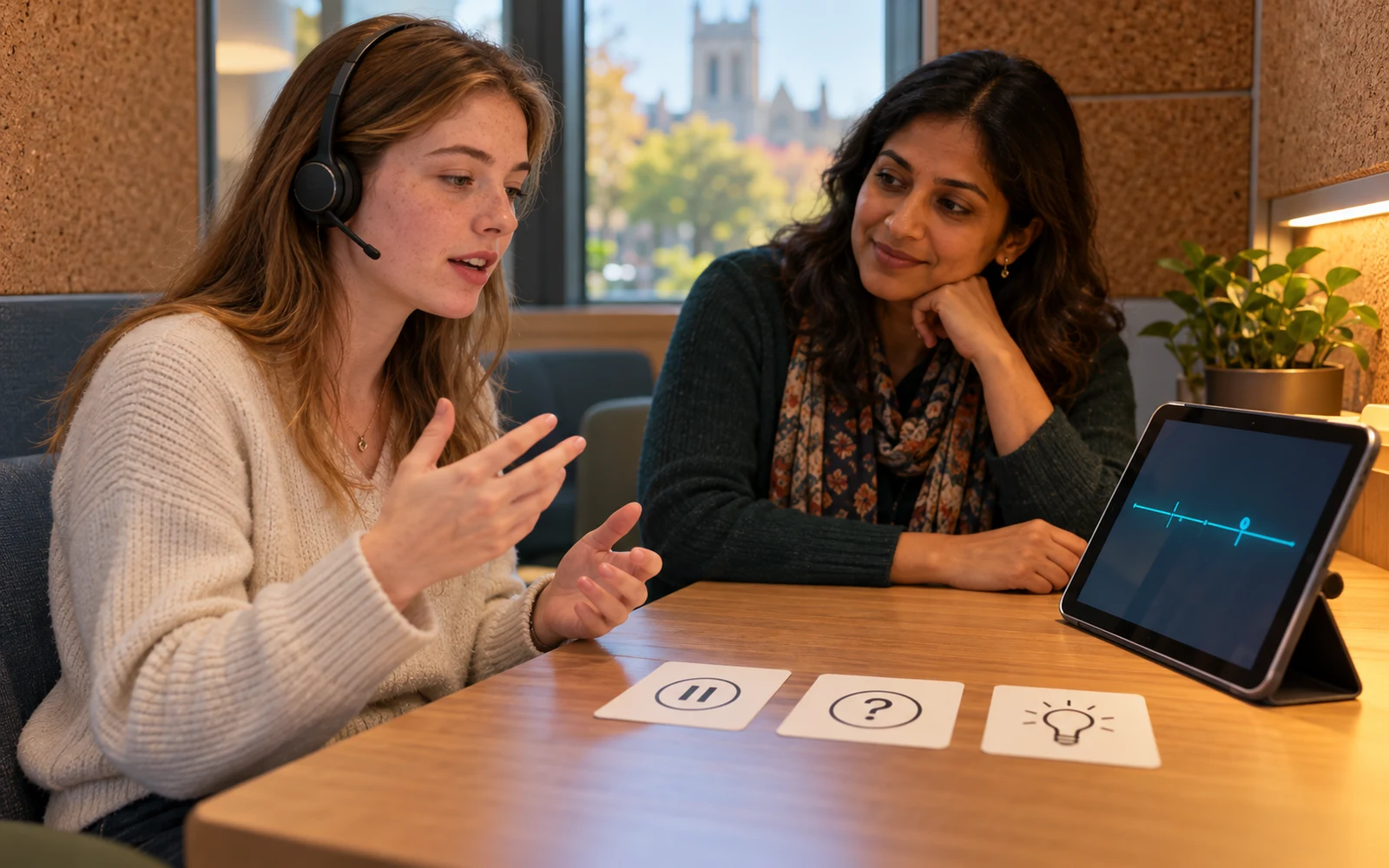
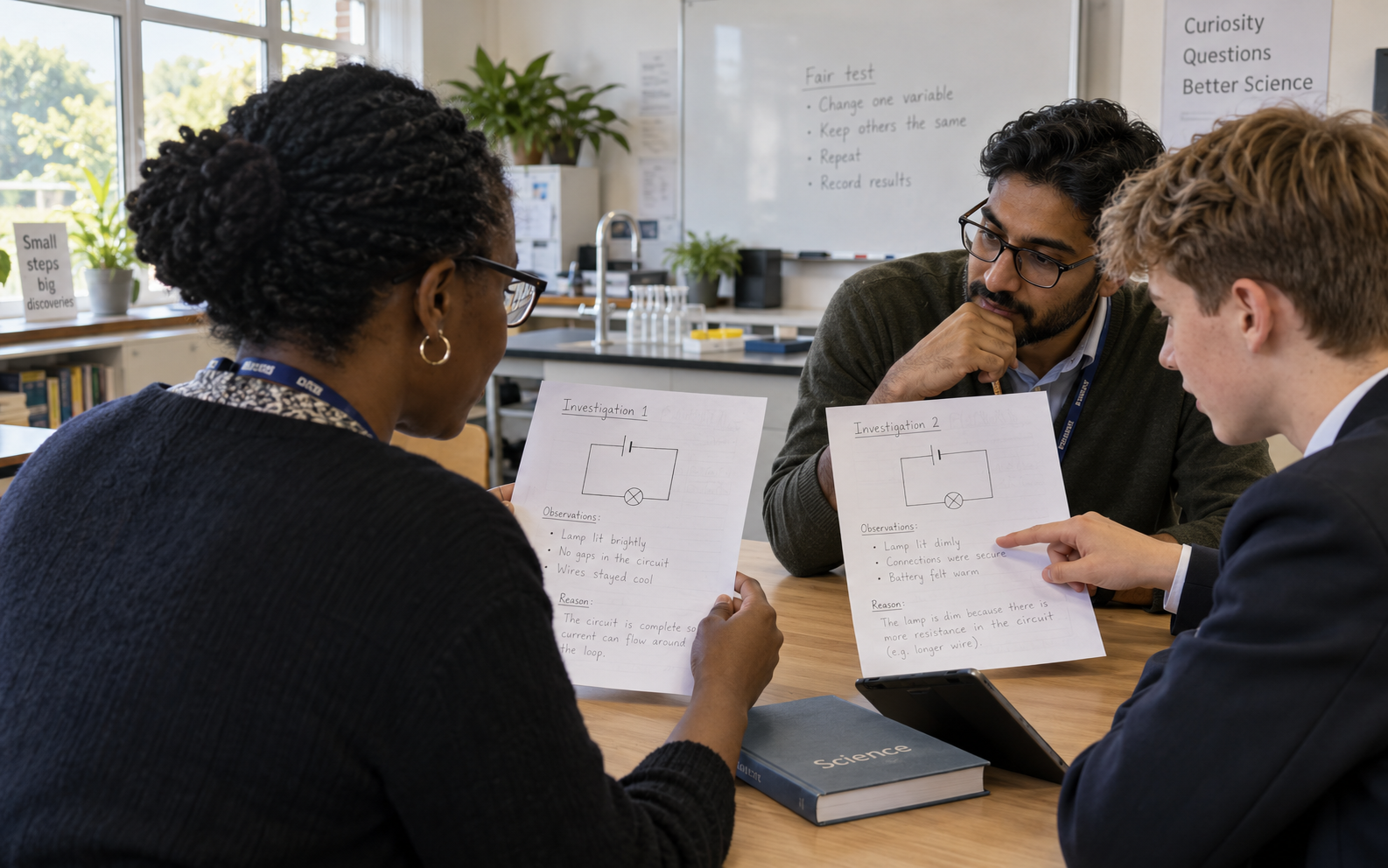
In the experimental condition, students used ChatGPT-4 through the Chatgot service to develop ideas, receive comments on drafts, and address language problems. The activity was designed around support for students' own essays, rather than asking the system to supply a final essay for submission. In the comparison condition, students worked with peers on corresponding tasks. This contrast concerns two supported writing arrangements; it does not compare AI-assisted writing with receiving no help.
The researchers administered a task-motivation questionnaire before instruction, immediately afterward, and one month later. They also interviewed sixteen learners, eight from each condition, to understand their experiences. This combination provides both a numerical trajectory and accounts of how learners perceived feedback, interaction, and the writing process. The outcome, however, remained task motivation. The study did not collect the specific linguistic outcomes needed to establish gains in writing competence from the intervention.
Immediately after the course, the AI-supported group showed higher motivation than the comparison group, with a reported p value of .004 and standardized difference of .722. Its mean rose from 91.67 before instruction to 107.38 afterward. The comparison group's mean moved from 90.73 to 94.89. Those results are consistent with a meaningful immediate difference in the measured motivational experience in this setting.
At the one-month follow-up, the picture was more restrained. The AI-supported group's mean was 103.51, while the comparison group's was 96.89, and the between-group difference was not statistically significant. Motivation in the AI condition remained above its own baseline, but that within-group result does not establish a persistent advantage over peer-supported learning. Both the comparison group and the passage of time matter when interpreting whether an instructional benefit lasts.
For language teachers, the findings support trying clearly bounded AI feedback activities while continuing to examine what learners can do independently. Motivation questionnaires, discussion of feedback use, and separately assessed writing tasks answer different questions. A stronger evaluation would track all three and include delayed work completed without assistance. This small, single-context study offers useful evidence about engagement, not proof of durable writing improvement. Novelty, self-report, learner proficiency, and the limited follow-up period constrain generalization. Its most useful contribution is a precise account of when the motivational difference was observed, and when the comparison no longer supported a clear advantage.