Product news: Claude merges chat and Cowork while adding document and slide creation in beta
Anthropic
AI Product and Learning Report
Резюме на 500 слов
Anthropic announced on September 16, 2026 that Claude chat and Cowork were beginning to merge into one experience. The rollout starts with Pro and Max users over the following weeks. Claude Docs and Slides also arrive, with Design available inside conversations; these creation tools are in beta on paid plans. The change reduces the need to choose a separate place for discussion, longer tasks, and artifact creation, but it is not immediate universal availability.
For academic work, moving from discussion to a document and then to slides is a familiar sequence. Each step changes the audience and the amount of detail that can be shown. An assistant may make that sequence faster, while also carrying a weak assumption through every output. A coherent set of artifacts is useful only if the central claim, supporting evidence, and limitations remain appropriate to each format.
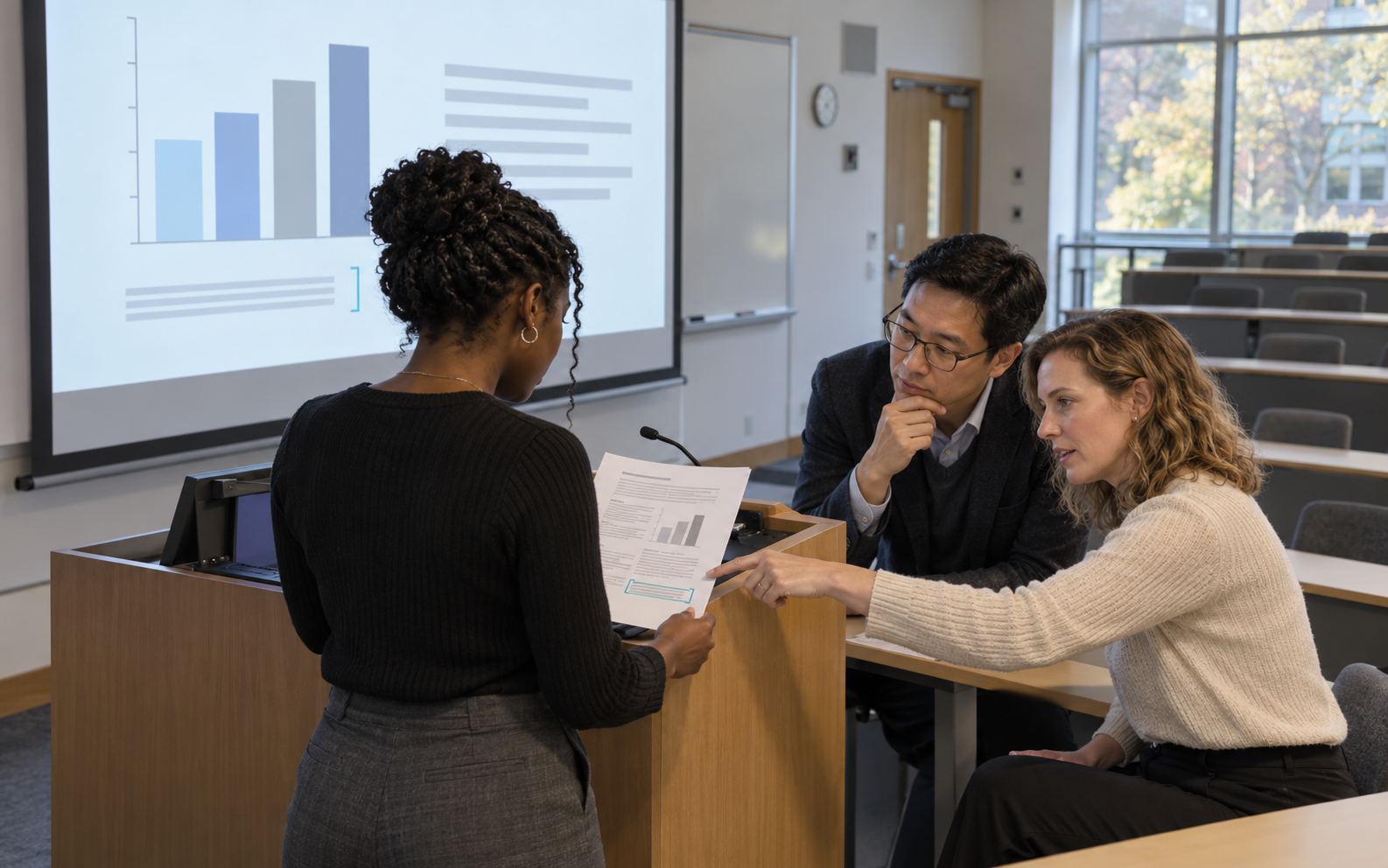
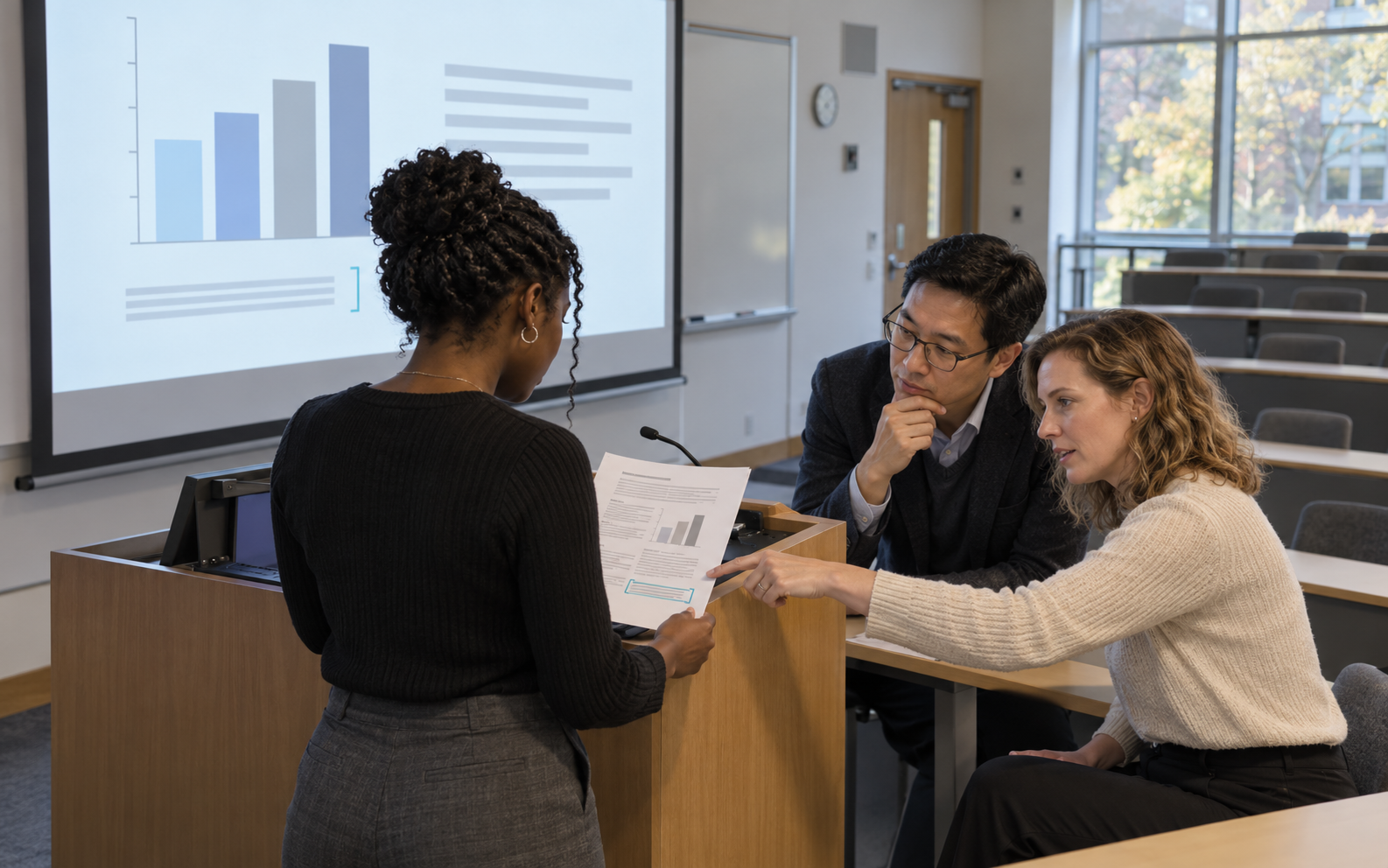
A research seminar could examine this directly. Students begin with a short, checked analysis and ask for a report and presentation. They then compare the conclusions across the two. Did a cautious association become a causal statement? Did a small sample disappear from the slide? Did a chart lose its unit or source? The task can make compression visible as an editorial decision, rather than treating slides as a decorative version of the report.
Revision should also remain understandable to collaborators. If a student changes the interpretation in the document, the presentation needs to be reviewed for consistency. If the assistant changes a figure, the team should be able to identify why. A shared source record and a brief note of consequential changes can help people who were not present in the original conversation. They should not need access to every informal exchange to judge the final claim.
OpenAI's September Agents API supports longer tool-based workflows, while Gemini's educational resources place AI assistance inside inquiry and teaching activities. Compared with those developments, Anthropic's update changes the surface where work is discussed and produced. The technologies can make different stages more convenient, but the educational purpose still needs to be explicit. Producing a report, slides, and an illustration is not itself evidence that a student understands the argument.
Teachers could therefore assess a short explanation of one important editorial choice. A student might justify why a qualification remained on a slide, why a visual was removed, or why a source did not support the original wording. Another student could challenge that decision using the same evidence. This gives the class a reason to inspect the content rather than reward the sheer volume or polish of generated material.
The unified experience may suit work that develops through repeated discussion and revision. Its value for education will depend on whether that continuity makes ideas easier to question, not merely easier to package. A useful final handoff would contain the current artifact, the evidence it relies on, and any unresolved interpretation. The interface can connect the work; the learner should still be able to explain the choices that gave it meaning.