Industry news: Missouri and Google connect classroom AI access with workforce training
AI Product and Learning Report
Резюме на 500 слов
Google announced a partnership with Missouri education and workforce agencies on September 8, 2026. The plan combines no-cost access to AI tools, training, and career credentials, with an announced scope of nearly 100,000 educators and more than 1.1 million students. Gemini for Education is among the resources. Google says adoption remains voluntary for individual institutions. These figures describe intended access, not evidence that everyone has enrolled, used a tool, or completed a course.
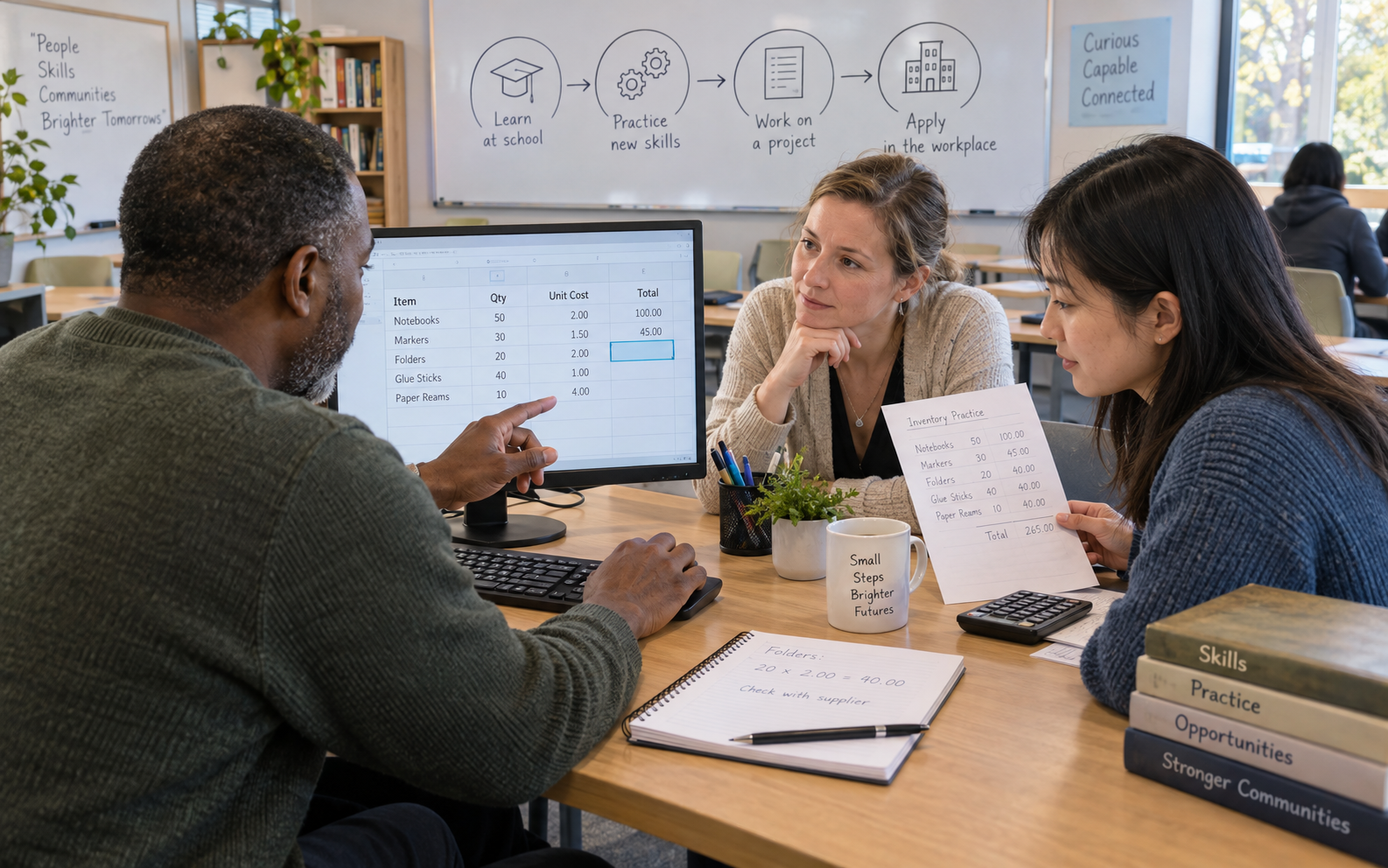
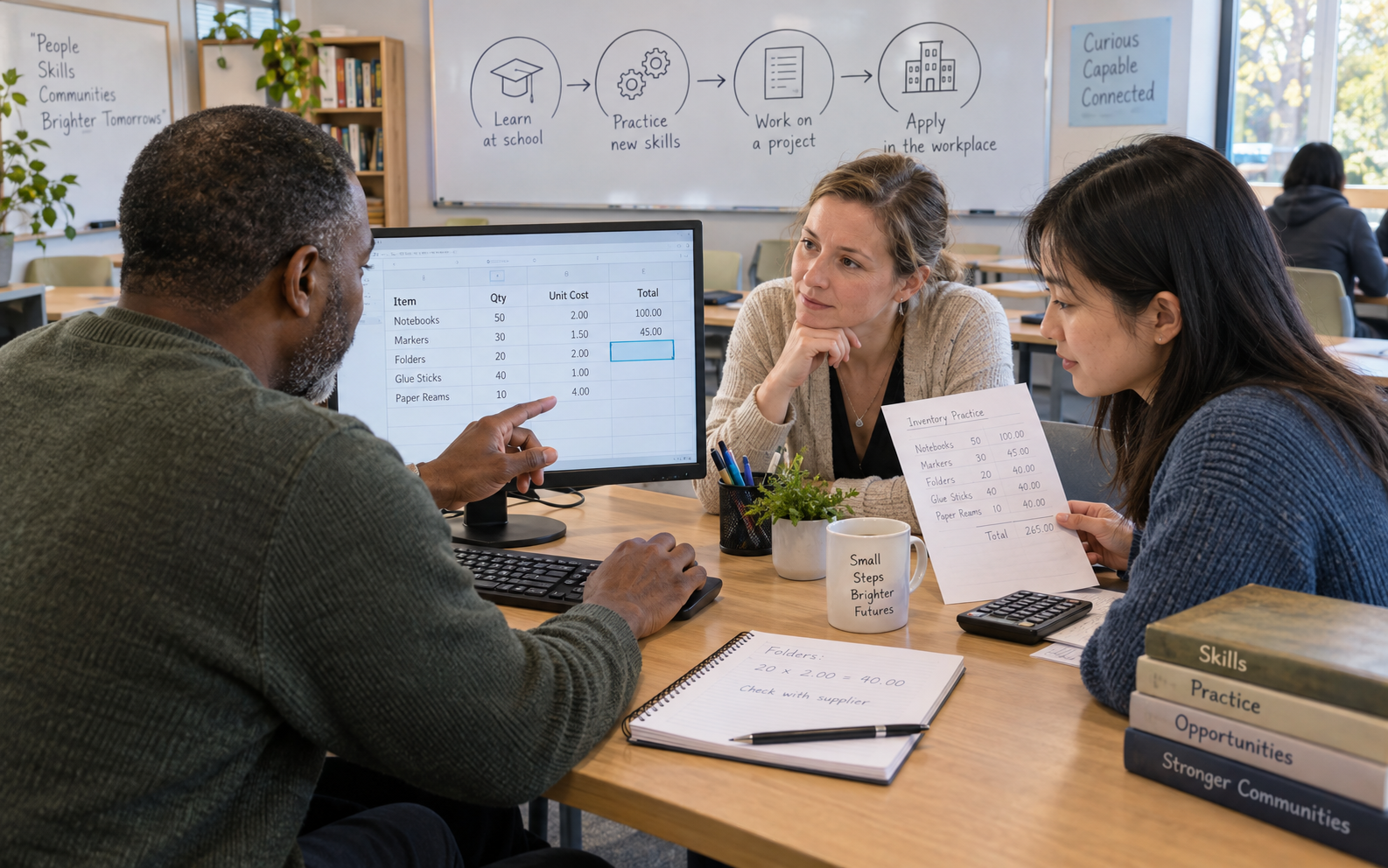
The combination of classroom and workforce provision is the distinctive feature. A school pupil, a university student, and an adult changing careers can encounter related tools through different institutions. That can create opportunities for continuity, but only if the learning pathways are understandable. A person should be able to see the entry requirements, the kind of practice involved, the support available, and what a credential does and does not demonstrate.
For teachers, access to an assistant is only one part of adoption. They need time to learn the interface, examples that fit their subject, and colleagues who can help evaluate outputs. A rural school with a small technical team may have different needs from a large university department. An implementation plan that counts accounts equally can miss these differences. Institutions could therefore record support intensity and unresolved barriers alongside activation and completion.
For adult learners, the connection with job centres may be particularly important. A course advertised as flexible still requires devices, connectivity, time, and confidence in asking for help. A proposed local evaluation could examine where participants stop, what brings them back, and whether they can perform a realistic task after training. It should include people who do not complete a certificate, since their experience may reveal a problem in the pathway rather than a lack of motivation.
OpenAI's recent U.S. district partnerships also combine access with training, while Anthropic's August school offering brings teacher accounts under institutional management. These announcements show several companies working through existing educational organisations. They do not establish equivalent eligibility, privacy arrangements, or outcomes. Missouri's programme is a specific partnership; its terms should not be assumed to apply to a school in Hong Kong or another jurisdiction.
A useful assessment can be close to the work participants want to do. A teacher might revise a lesson resource and explain the changes. An adult learner might clean a small dataset, inspect an AI-generated formula, or draft a service email using supplied facts. The assessment should make room for checking, correction, and disclosure of assistance. A polished result alone cannot show whether the participant could recognise a plausible error next time.
The partnership offers a broad route into AI learning, but its eventual value will depend on participation and support as much as on the technology supplied. Public reporting could distinguish the people offered access, those who used it, those who completed training, and those who demonstrated a new capability. That would help communities understand whether a large announced opportunity became a useful and inclusive learning pathway.