Inclusive Pedagogy and Digital Accessibility
How educators combine belonging, high expectations, flexible participation, explicit support, accessible digital materials, assistive technology, accommodations, learner feedback, and common learning goals without stereotyping or lowering rigor.
Источники
Полное резюме урока
Inclusive pedagogy designs learning so diverse students participate, belong, and pursue worthwhile goals without being treated as exceptions. Digital accessibility ensures that websites, documents, media, controls, and tools can be perceived, operated, understood, and used reliably by people with disabilities. The two overlap but are not identical. A technically conforming page can support an exclusionary lesson, while a welcoming teacher cannot remove a keyboard trap through goodwill alone.
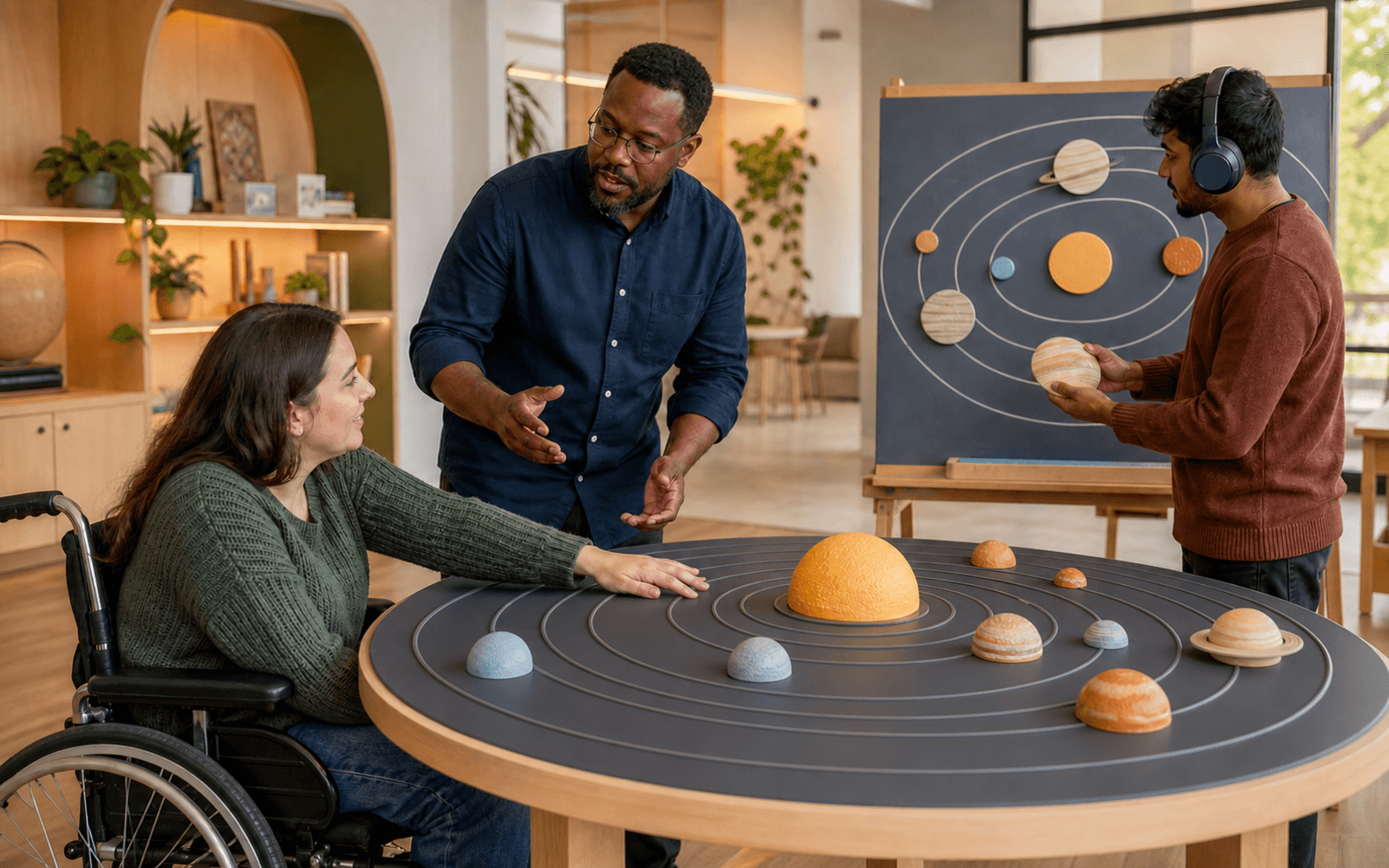
Inclusive practice begins with learner variability rather than a mythical average. Educators identify the fixed learning goal and separate it from avoidable barriers in language, navigation, timing, sensory format, physical action, background knowledge, or social participation. Purposeful options can support engagement, representation, and expression while common success criteria preserve rigor. Options should be manageable and tested; more formats do not automatically improve access or learning.
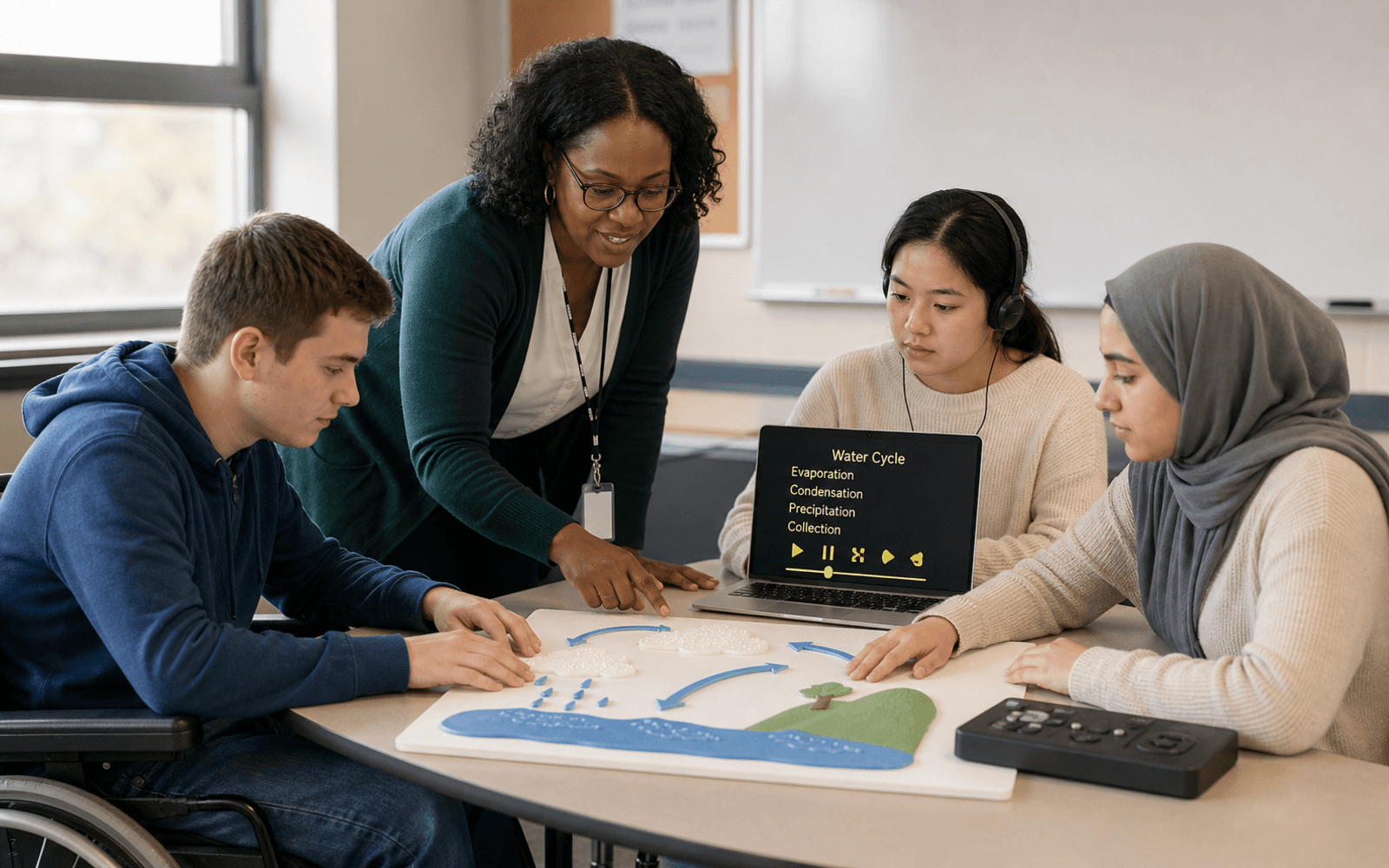
Digital materials need semantic headings, keyboard access, visible focus, sufficient contrast, meaningful alternative text, captions, transcripts, understandable labels, error guidance, and compatibility with assistive technology. Documents require reading order and tagged structure. Time limits, drag-only interactions, inaccessible equations, and unlabeled controls can block participation. Automated checkers find some problems, but human inspection and testing with disabled users remain necessary.
Accessibility standards do not replace individual accommodations, specialist expertise, or direct teaching. A learner may need sign-language interpretation, extended time, a particular communication method, accessible assessment, or assistive technology even in a well-designed course. Teachers should ask rather than infer needs from a diagnosis or identity. Privacy matters because requesting support can reveal sensitive information. Students need a route to report barriers without proving harm repeatedly.
In education, learners can audit an online science activity using keyboard-only navigation, screen-reader checks, zoom, captions, colour-independent meaning, plain instructions, and a review of the learning goal. They interview or use feedback from varied users, fix barriers, and retest. They then compare whether alternative response modes provide equivalent evidence about the target concept rather than making one route easier or less respected.
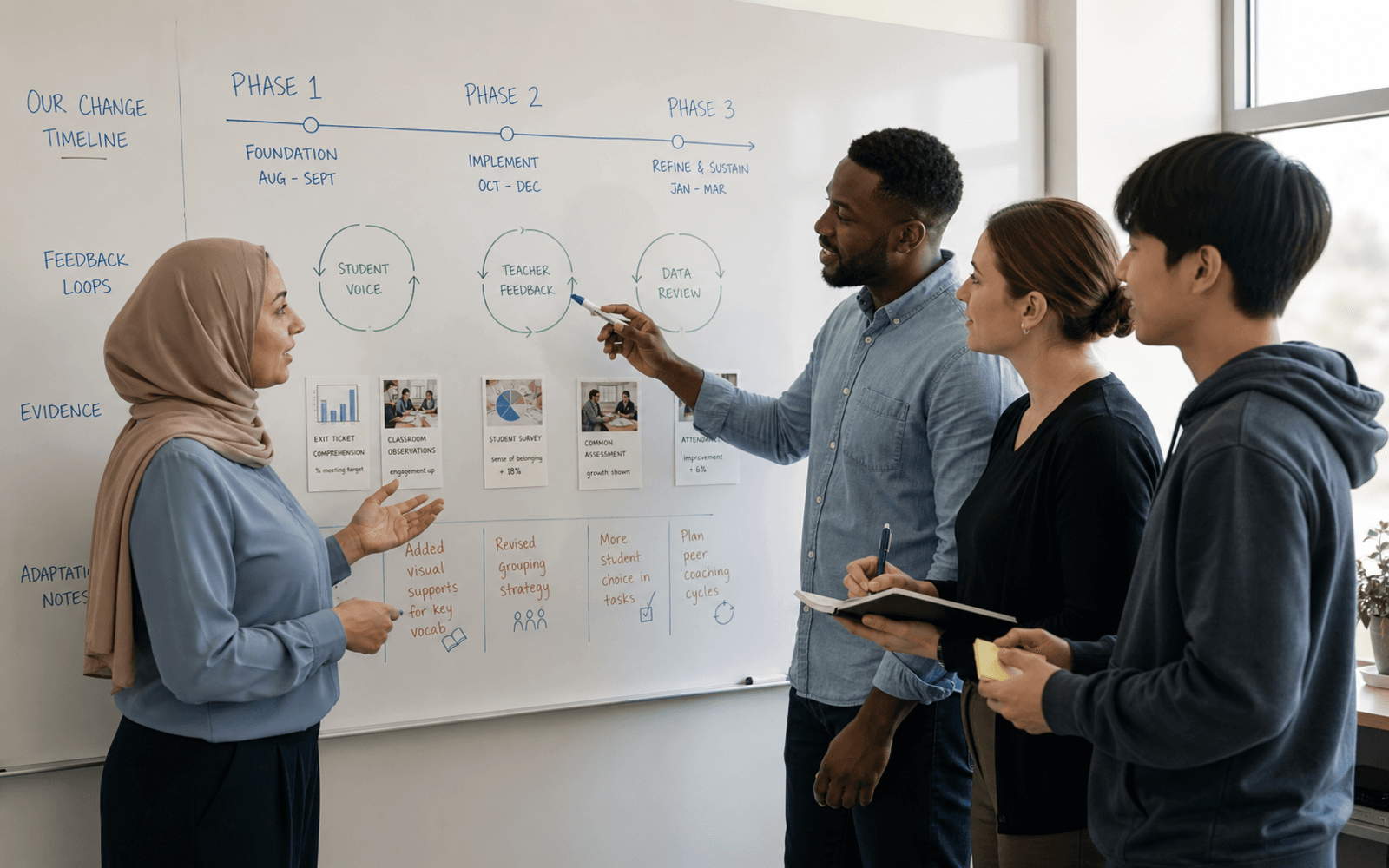
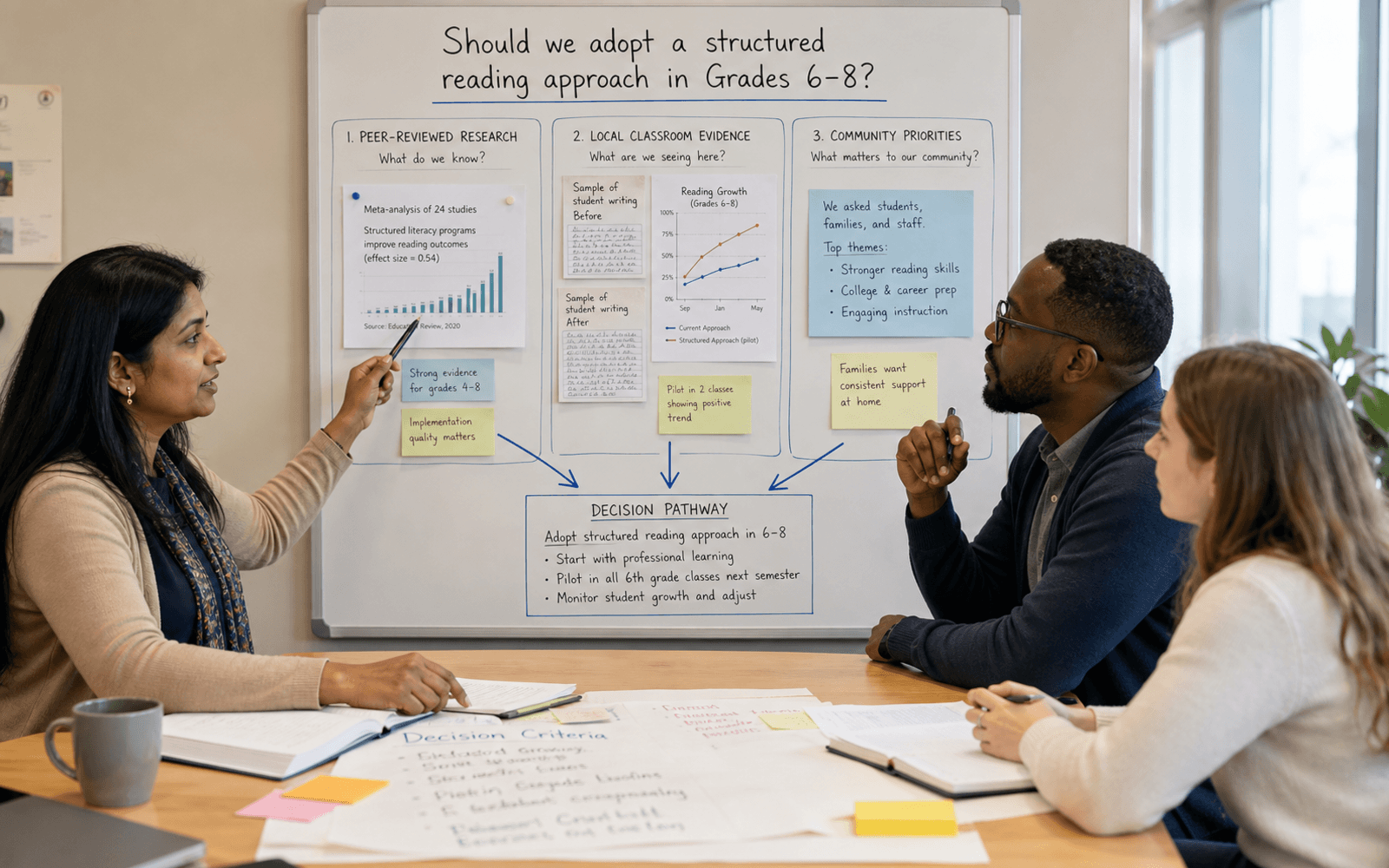
Inclusion is continuous because content, tools, and learners change. Institutions should assign accessibility owners, include requirements in procurement, train staff, monitor complaints and fixes, and publish support routes. Participation and outcome data should be examined without blaming learners for inaccessible systems. Inclusive pedagogy and digital accessibility work together when design anticipates variability, individual support remains available, disabled people shape decisions, and every learner is treated as a full member of the educational community. Remediation priorities should consider severity and educational timing, since a barrier fixed after an assessment or course ends has already denied opportunity. Temporary accessible alternatives, direct communication, and individual remedy are needed while technical repair proceeds. Public progress reporting can build accountability without revealing a learner's disability or support history. Access delayed can become educational opportunity permanently denied.