Industry news: Google.org selects public-service AI projects, offering cases for responsible project-based learning
Google.org
AI Product and Learning Report
Resumo de 500 palavras
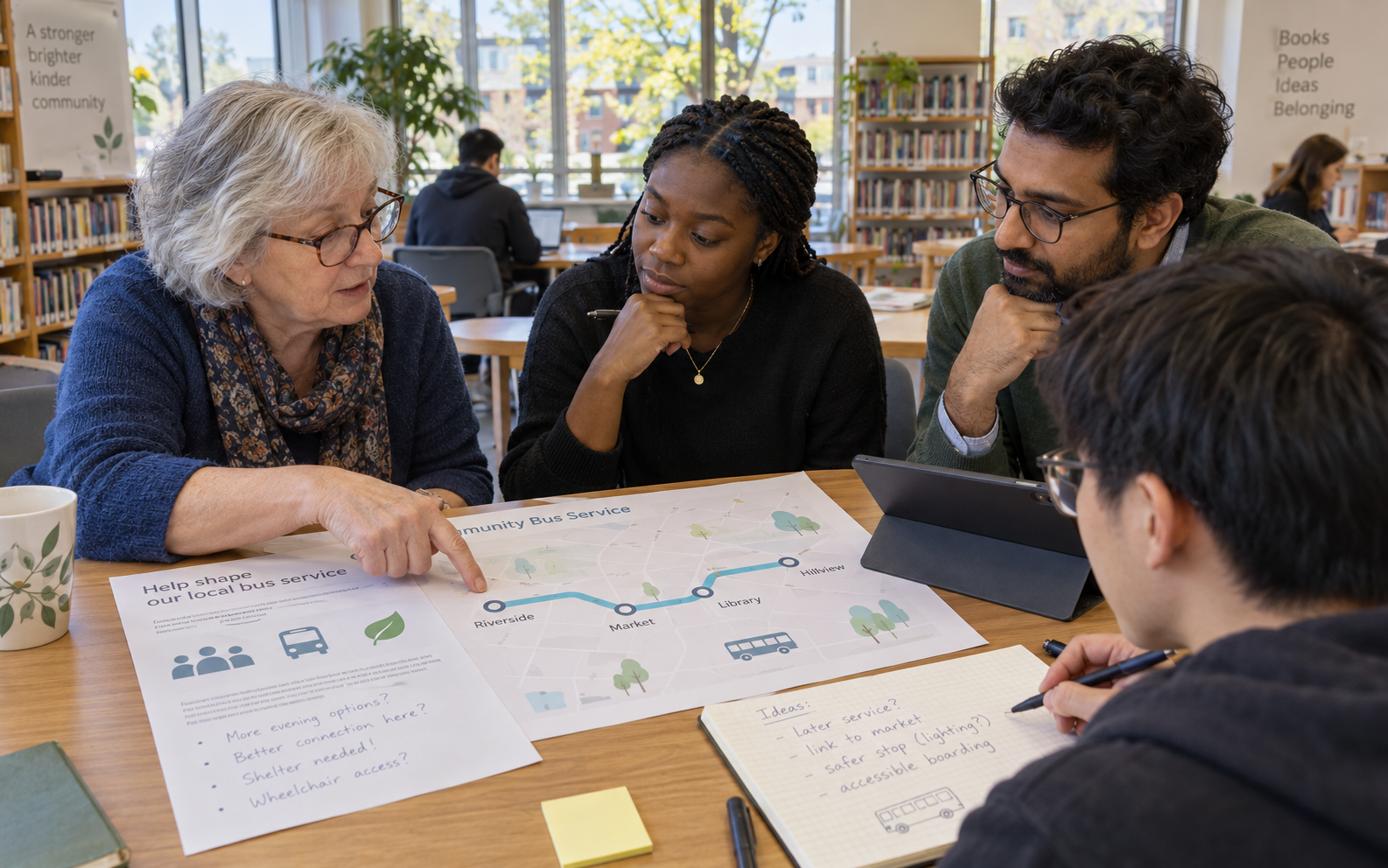
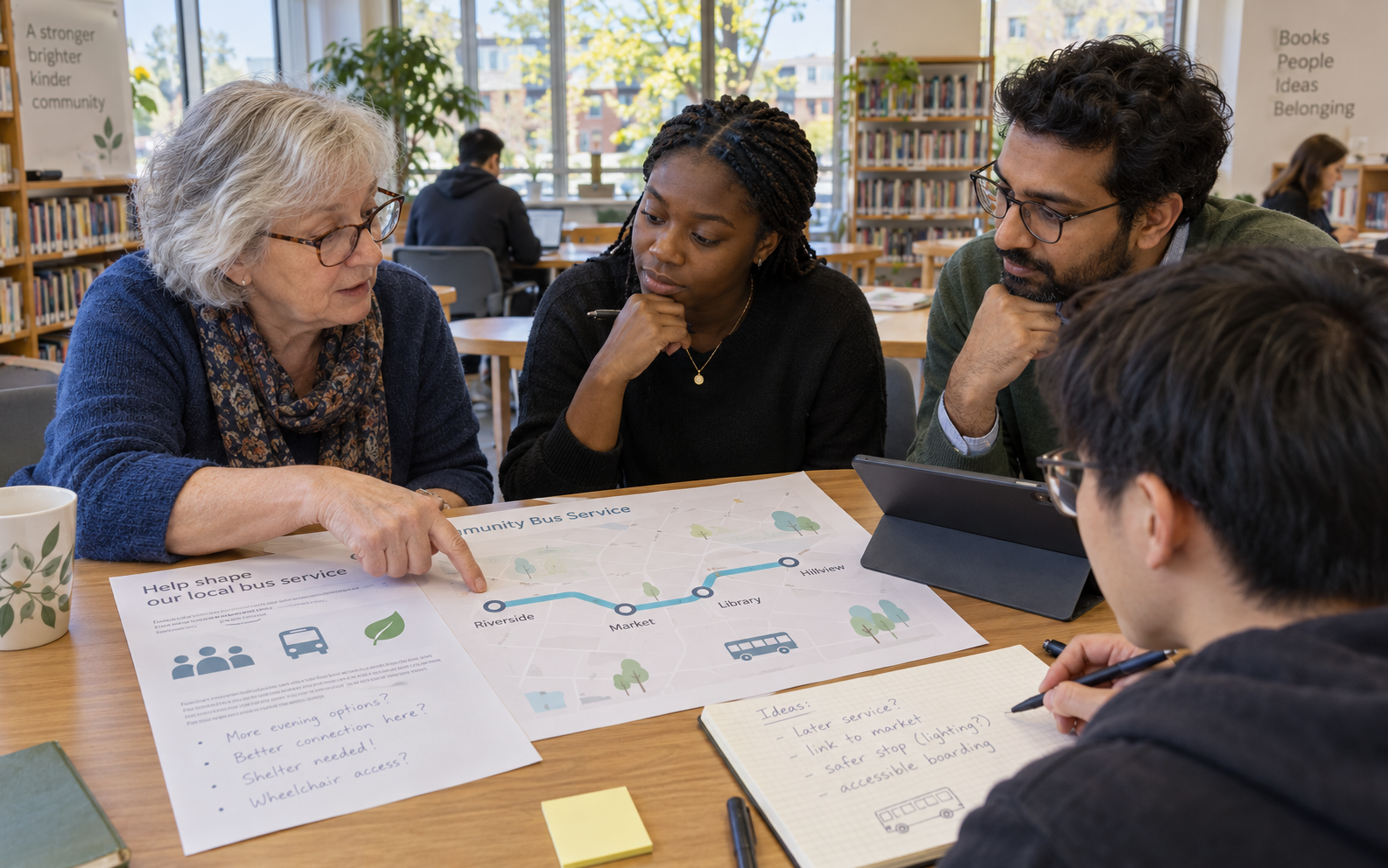
Google.org announced 15 recipients of its AI for Government Innovation challenge on September 15, 2026. The programme combines funding and expert support for organisations working with public services, with projects intended to become adaptable open-source blueprints. The announcement includes work on clearer public communication and transport information. Selection signals support for a proposal; it does not show that every system is deployed, every blueprint is available, or every intended benefit has been achieved.
For project-based learning, the interesting starting point is the public problem rather than the model. A confusing letter, an inaccessible timetable, or an unclear application step can create real difficulty. Students can learn to describe that difficulty in terms a user recognises before proposing an AI feature. They should be able to explain what the current process does, where people encounter trouble, and what an improvement would look like.
A proposed university activity could use a fictional local-service notice. Students would identify the decisions a reader needs to make, then produce a clearer version with AI assistance. Another group would check whether any condition, deadline, or exception had been lost. The exercise would reward accurate communication, not merely shorter text. It would also show why a system that sounds helpful can still create a problem if it changes the meaning of a requirement.
The people affected should help define success. A service designer may value fewer support requests, while a resident may value understanding what to do and reaching a person when the situation is unusual. These goals can overlap without being identical. Students can compare several evaluation questions and identify whose experience each one captures. That makes stakeholder reasoning part of the project rather than a paragraph added after the prototype is finished.
OpenAI's September Agents API provides infrastructure for sustained tool-based workflows. Anthropic's Claude Academy guidance encourages intentional delegation. Google's Gemini inquiry training supports a different stage: examining questions and evidence. Together, these resources can help learners consider how an application is built and why it should be built. None determines whether a particular public-service proposal is appropriate for the people it would affect.
A responsible classroom project can stay small. Teams might test a prototype with fictional records and volunteer reviewers, record misunderstandings, and revise the design before considering real deployment. They should preserve an ordinary route to the service for people who do not want or cannot use the AI interface. A failed prototype can still be a strong learning outcome if students explain what it revealed and why they changed direction.
The grant announcement offers a set of contemporary cases for that kind of analysis. Educators can ask which claims are aspirations, which are demonstrated features, and what evidence would justify expansion. As the projects develop, the same questions can be revisited against public artifacts and user experience. The valuable lesson is that public benefit must be specified and examined, not inferred from a grant, an open-source intention, or a polished demonstration.