Industry news: Anthropic's misuse report gives educators a concrete reason to teach source provenance
Anthropic
AI Product and Learning Report
Resumo de 500 palavras

Anthropic published its September threat intelligence report on September 10, 2026, covering selected misuse activity observed between December 2025 and August 2026. The company describes cases across several areas, including influence operations and fraud, and says it disrupted the activity it identified. This September 12 article focuses on the report's implications for information literacy. Anthropic explicitly presents notable cases, not a representative sample from which the frequency of all AI misuse can be estimated.
For educators, the relevant problem is broader than recognising machine-written sentences. A piece of information can appear credible because it sits inside a polished website, carries an impressive institutional label, or is repeated by several apparently separate accounts. Readers need to investigate who produced it, which evidence supports it, and whether the sources are genuinely independent. Fluent language alone answers none of those questions.
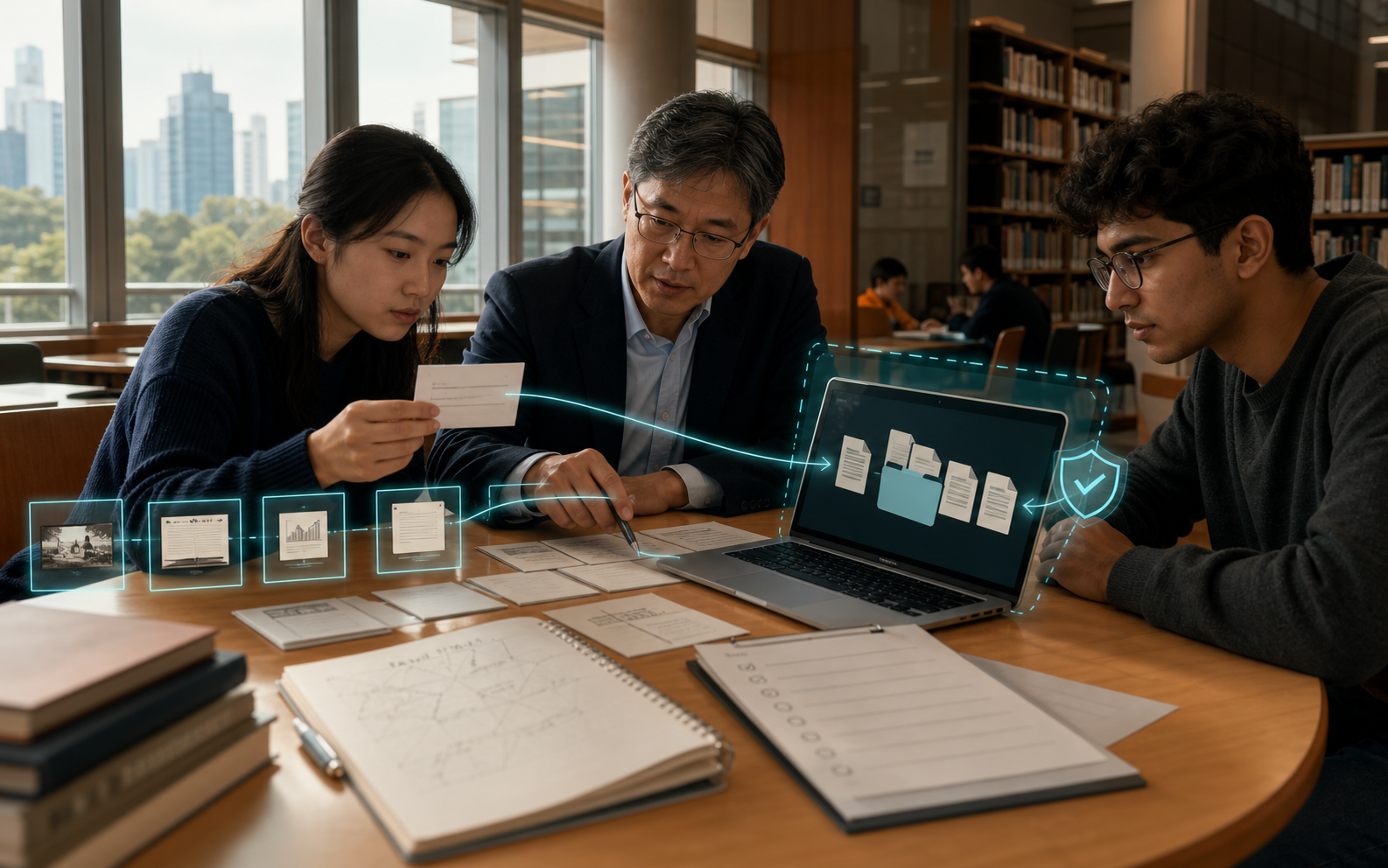
A classroom activity can explore this with harmless, teacher-created examples. Students could receive three short accounts of a fictional community event, each with a different source history. Two might trace back to the same unsupported statement, while the third links to a clear original record. Students would draw the chain of evidence and explain why repetition does not necessarily provide corroboration. There is no need to expose them to live malicious sites or reproduce operational abuse techniques.
The task can also distinguish uncertainty from accusation. An unfamiliar publisher is not automatically dishonest, and an error does not prove an organised campaign. Students should be able to state what they know, what they cannot verify, and which additional evidence would change their view. That is a more defensible habit than labelling every suspicious-looking text as AI-generated or treating detection software as a final judge.
OpenAI's recent teacher partnerships and Anthropic's own school offering place AI inside managed educational settings. Gemini in Classroom can connect study prompts with course materials. These arrangements help define access and context, but they do not make every source or generated explanation reliable. A curated collection can contain an outdated document, and an assistant can misrepresent an otherwise sound source. Institutional access and critical reading remain complementary responsibilities.
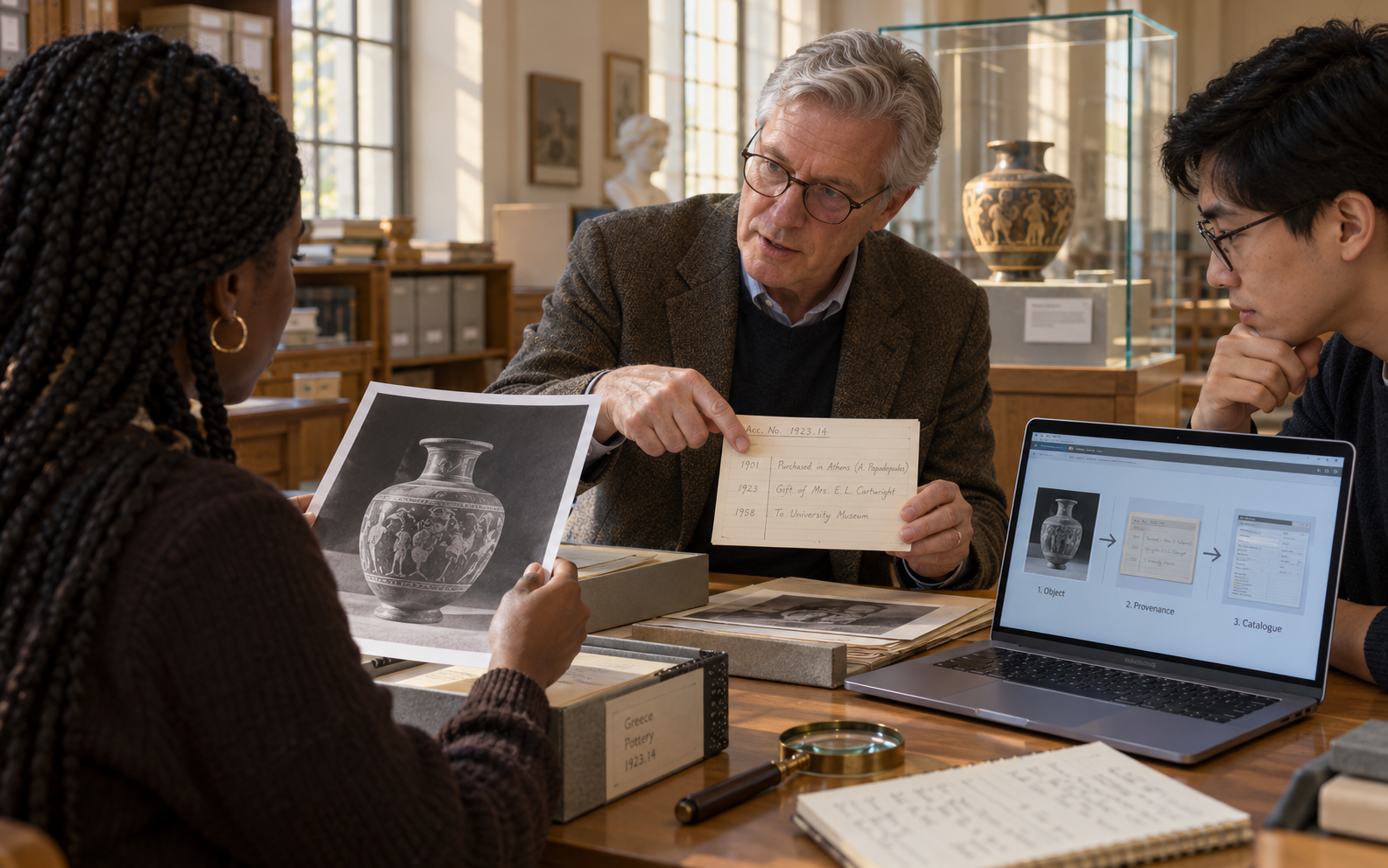
A library or department could maintain a small set of examples showing different failure modes: a real citation used for an unsupported claim, a copied statement presented as independent confirmation, and a source whose date changes its meaning. Learners can practise returning to the original and recording exactly what it establishes. The emphasis should be on a repeatable method of checking, not on memorising a list of trusted-looking brands.
Threat reports can support this teaching when their own evidence limits are examined. Students can ask what the reporting organisation could observe, how cases were selected, and which conclusions extend beyond the available record. Anthropic's publication supplies a current industry example for that discussion. The educational response is to strengthen habits of attribution, corroboration, and proportionate confidence, while leaving technical incident investigation to the people responsible for those systems.