Collaborative Learning
How carefully structured joint activity can turn explanation, disagreement, coordination, and reflection into learning while keeping every participant responsible.
Fontes
Resumo completo
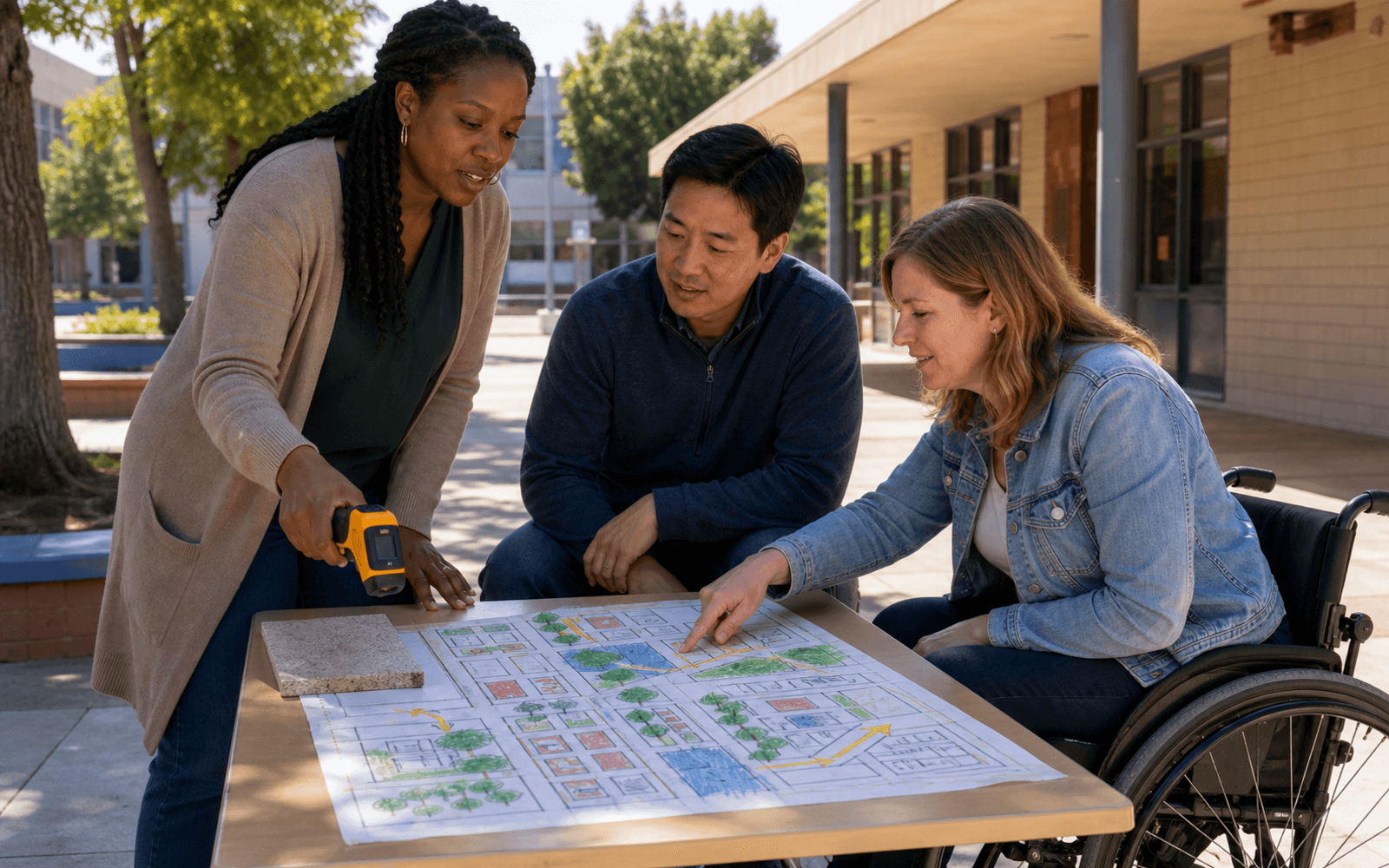
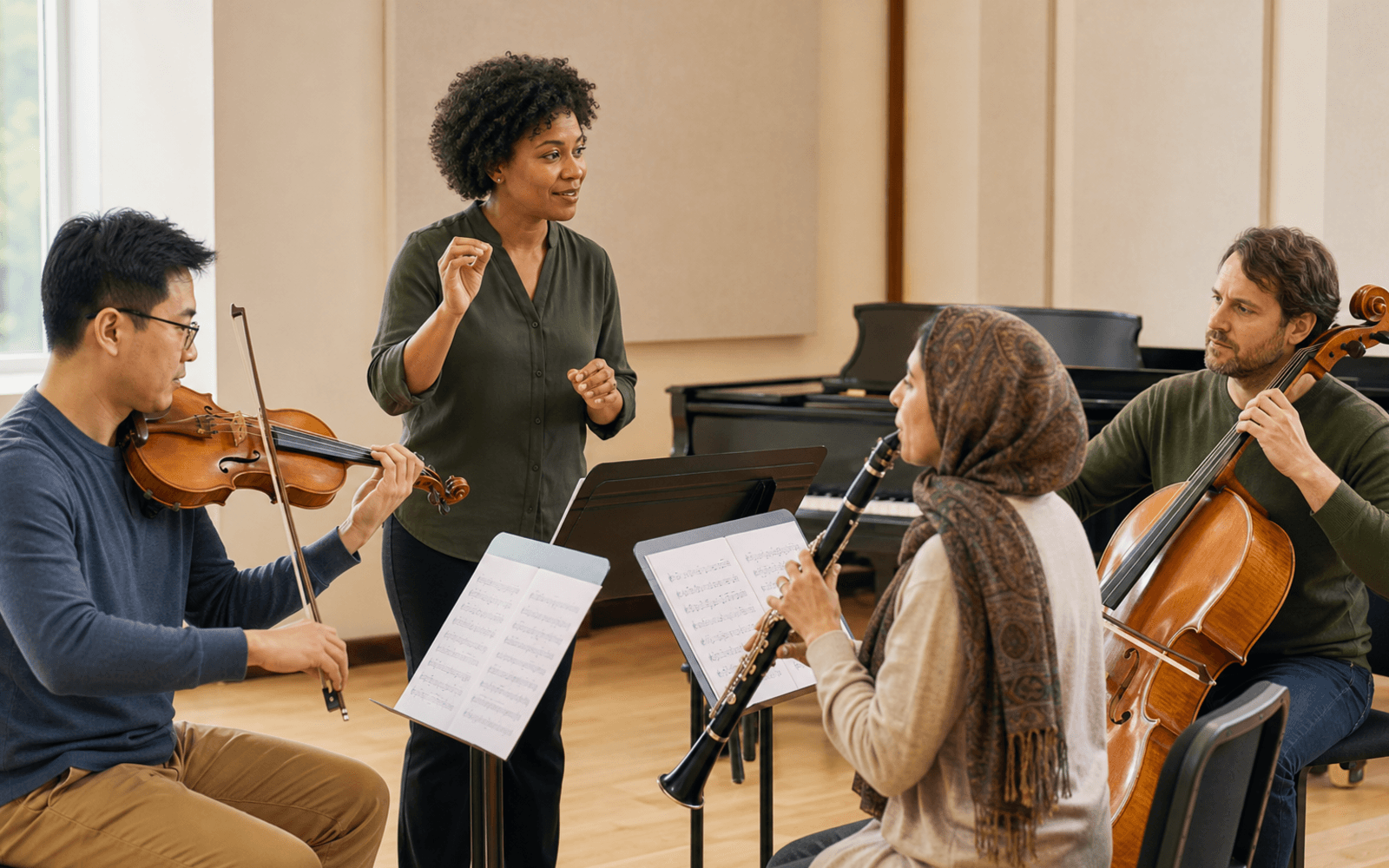
Collaborative learning places two or more learners in a situation where they work toward understanding, a solution, or a shared product through interaction. The label covers many scales and arrangements, so sitting people together is not enough to define the learning process. Collaboration becomes educationally meaningful when participants explain ideas, question evidence, negotiate interpretations, coordinate actions, and build on one another's contributions. These interactions can make thinking visible and create opportunities for elaboration, feedback, perspective taking, and mutual regulation that an individual task may not generate in the same way.
Collaborative and cooperative learning overlap, but the distinction can clarify task design. In strongly collaborative work, learners jointly plan and organize activity, and each action changes what others can do next. In cooperative work, a larger task may be divided into components that are completed separately and later combined. Both can support learning. However, division of labour can become a weak relay if members never examine one another's reasoning, while unstructured collaboration can let one confident participant make every decision.
Social interdependence theory explains why structure matters. Positive interdependence exists when learners understand that they can reach a valued goal only by supporting the group's progress. Structured cooperative approaches often pair this shared purpose with individual accountability, promotive interaction, interpersonal skills, and group reflection. Individual accountability does not oppose collaboration. It ensures that every learner prepares, contributes, and develops understanding rather than hiding behind a polished group product. Teachers can check this through individual explanations, rotating responsibilities, brief transfer tasks, or records of decisions and revisions.
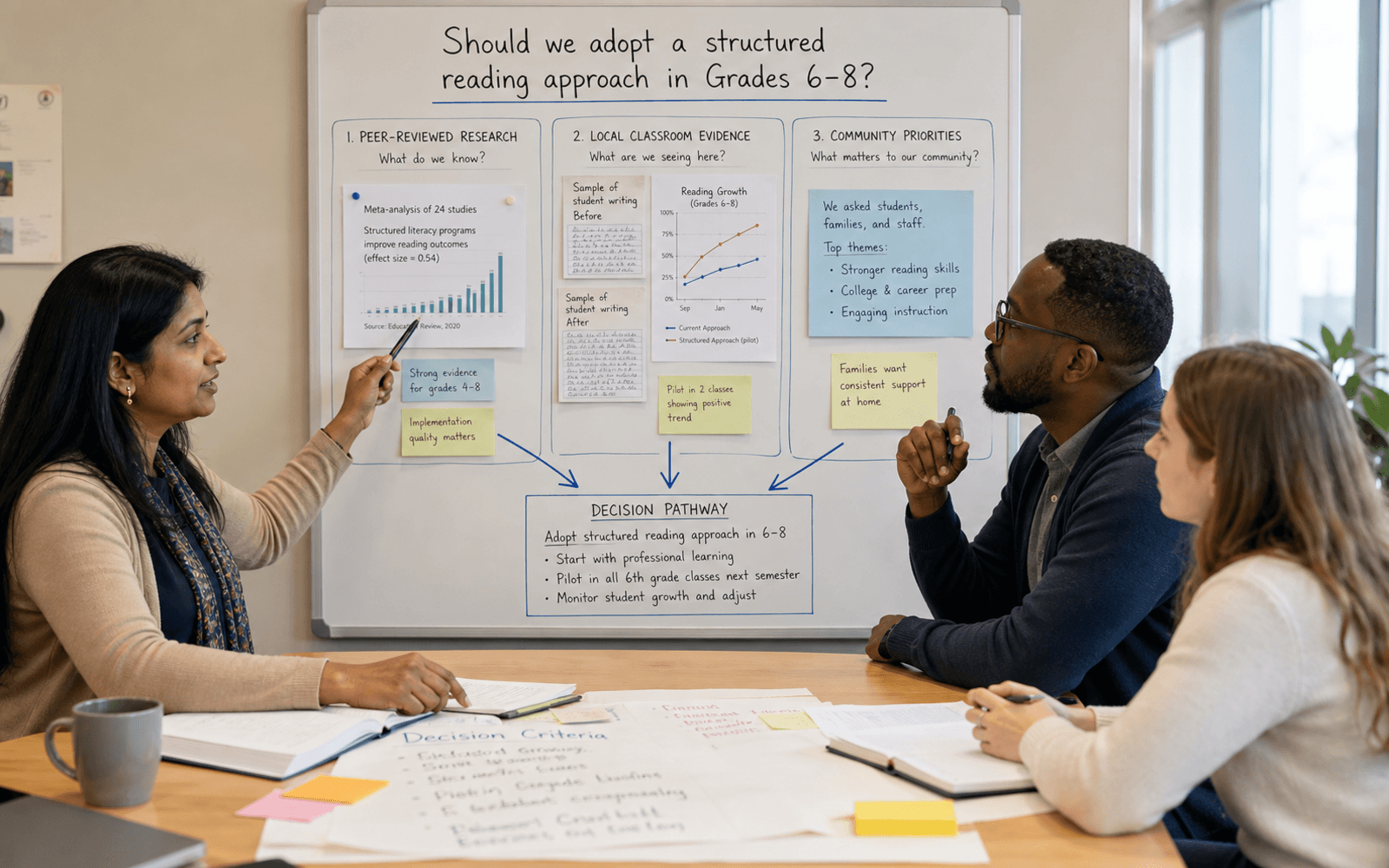
Evidence reviews generally report positive average effects, but results vary substantially across tasks, subjects, ages, grouping choices, implementation quality, and outcome measures. The Education Endowment Foundation rates the security of its collaborative-learning evidence as low despite a positive average estimate. This cautions against treating group work as an automatic intervention. Learners need explicit models of productive talk, accessible roles, enough prior knowledge, equitable access to materials, and norms for disagreement. Teachers should monitor who speaks, whose ideas are taken up, whether status differences silence participants, and whether the shared task actually requires interdependence.
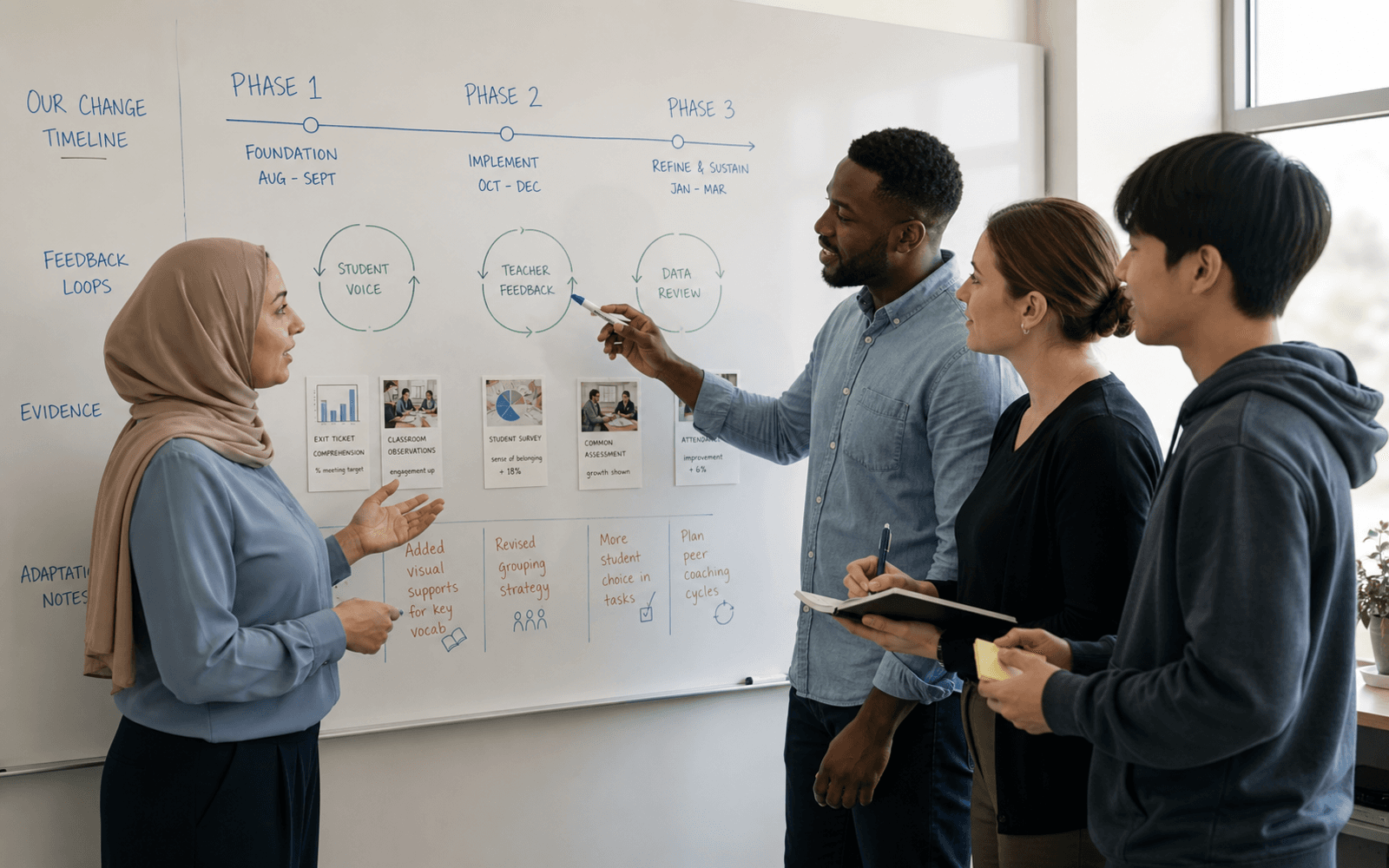
In education, a teacher can give groups a complex claim supported by incomplete and partly conflicting evidence. Each learner first records an interpretation, then the group must produce one explanation that identifies uncertainty and incorporates a challenge raised by every member. Roles rotate between evidence tracker, questioner, connector, and summarizer, but all learners must understand the final reasoning. The teacher listens for explanation and exclusion, prompts quieter voices without assigning permanent identities, and ends with an individual application to a new case. Groups then review which interactions changed their thinking and what they would improve. Collaborative learning succeeds when joint work deepens each learner's understanding and when responsibility, dialogue, inclusion, and reflection are designed into the task rather than left to chance.