Gemini product news: SynthID verification gives schools a media-provenance check, not a truth detector
Google for Education, Google DeepMind
AI Product and Learning Report
500단어 요약
This product-news report examines a concrete media-literacy tool in Google's education ecosystem. Google announced that educators and learners can upload an image or video to the Gemini app and ask whether it was created or edited using Google AI. Gemini checks for SynthID, Google's invisible watermark, and returns context about whether a supported signal is detected. The feature sits alongside new security and administrative controls for Google Workspace for Education.
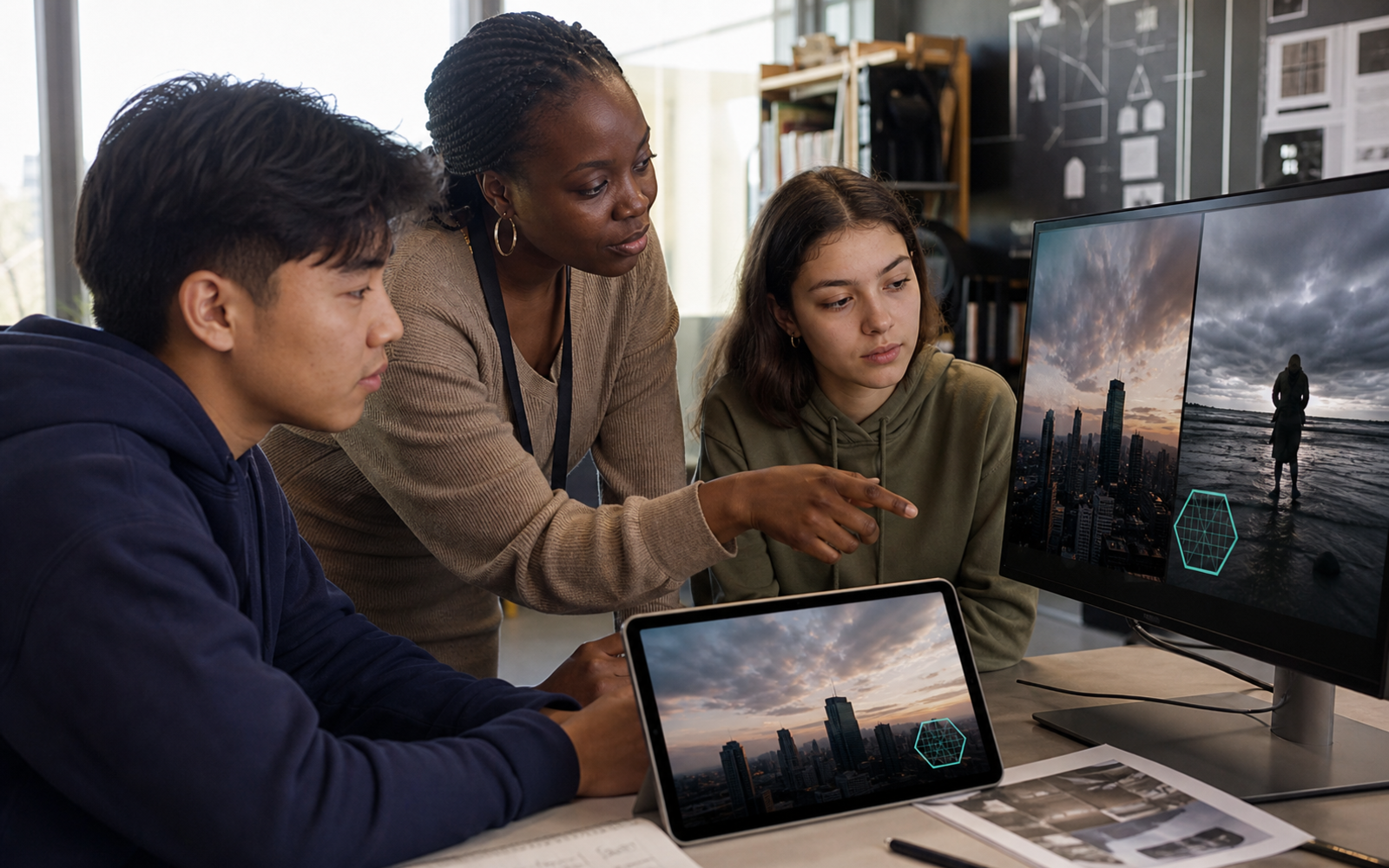
The product addresses a real classroom problem: visual and audiovisual media can now be generated or edited with little visible evidence of origin. Asking students to judge authenticity from surface appearance alone is increasingly unreliable. A machine-readable provenance signal gives a lesson a better starting point because students can inspect evidence attached to or embedded in the media rather than relying only on intuition.
SynthID is designed as an imperceptible watermark embedded by supported Google generative systems. Google's January education announcement described verification for images and videos in Gemini and said audio and non-Google model support were planned. A broader May update expanded verification across Gemini, Search, Chrome and other Google surfaces and added work on C2PA Content Credentials. These systems are complementary: a watermark can survive some transformations, while signed metadata can carry richer information about origin and editing history.
The limits are as important as the positive result. Detecting SynthID indicates that supported Google AI was involved; it does not prove that the depicted event is false, that the use was deceptive, or that every part of a composite was generated. Conversely, no detected signal does not prove that a human made the media. The file may come from another model, predate watermarking, have a damaged signal, or have undergone transformations that reduce detection.
For assessment, schools should therefore avoid turning one verifier result into a misconduct verdict. A student may legitimately use an approved generative tool, and a misleading image may be made without any generative AI. Provenance is one evidentiary layer. A fair review also examines assignment rules, process records, cited sources, editing history, the student's explanation, and whether the content itself is accurate.
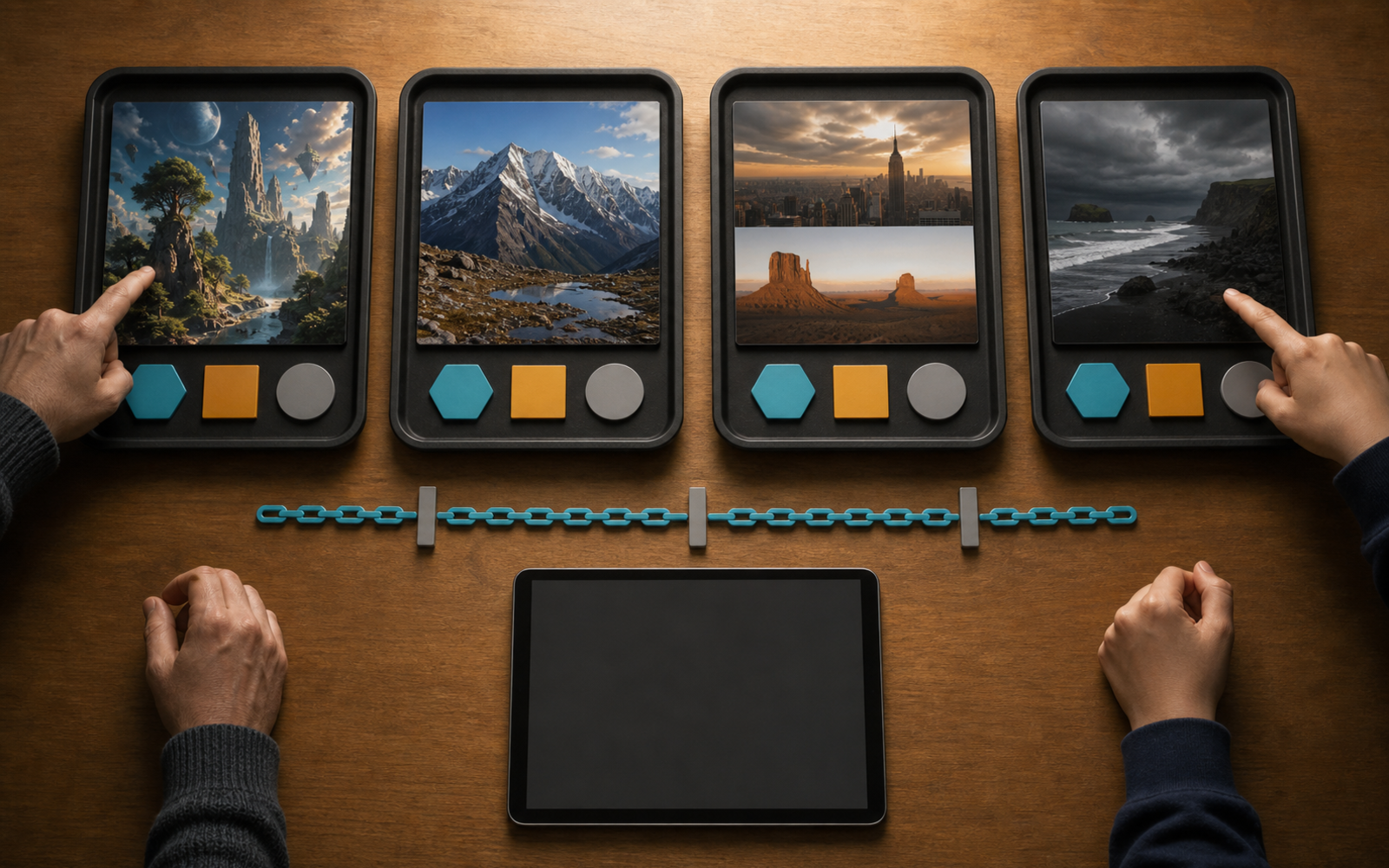
The strongest educational use is a comparison exercise. Learners can inspect a verified Google-generated image, an ordinary photograph with camera metadata, an edited composite, and a file with no supported signal. They can record what the tool actually says, distinguish origin from truth, cross-check claims against primary sources, and explain the residual uncertainty. This teaches a transferable verification habit rather than a single detector shortcut.
Privacy and data handling also matter because verification requires an upload. Institutions should avoid submitting sensitive student media, faces, confidential documents, or safeguarding evidence without an approved process. Teachers need a clear rule for which accounts may use the feature, what the service retains, and what alternative process is available when uploading is inappropriate.
For Hong Kong schools and universities, Gemini verification can become a useful component of digital and AI literacy if it is framed carefully. Build a protocol that separates four questions: Was a supported provenance signal found? What does the signal establish? Is the content factually reliable in context? What human judgment or further evidence is required? The feature makes provenance more inspectable, but it does not automate truth, authorship, or disciplinary decisions.