Structured chatbot speaking practice was linked to better oral scores and lower self-reported anxiety
Dongliang Ding, Ahmad Muhyiddin B Yusof
Humanities and Social Sciences Communications
500단어 요약
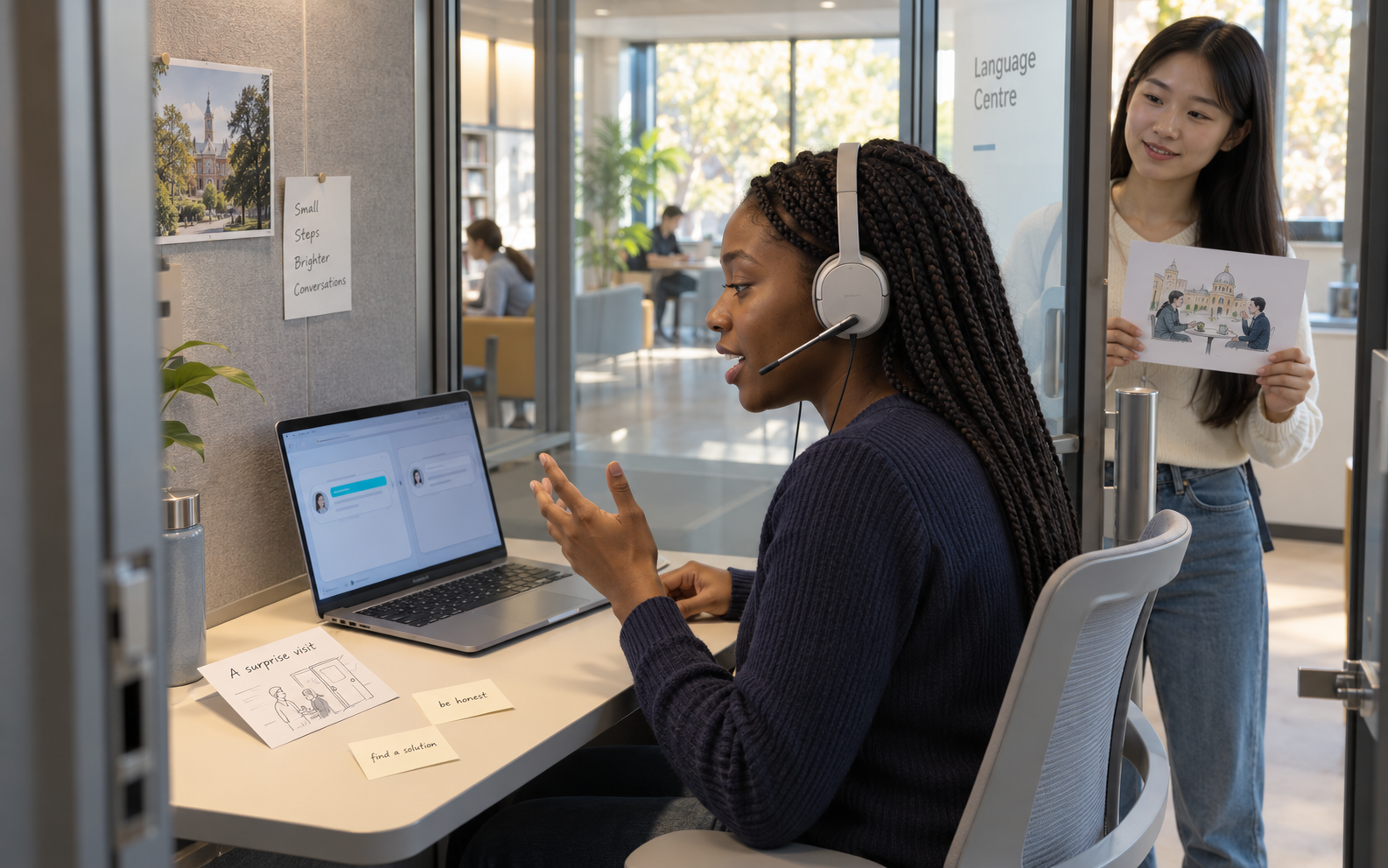
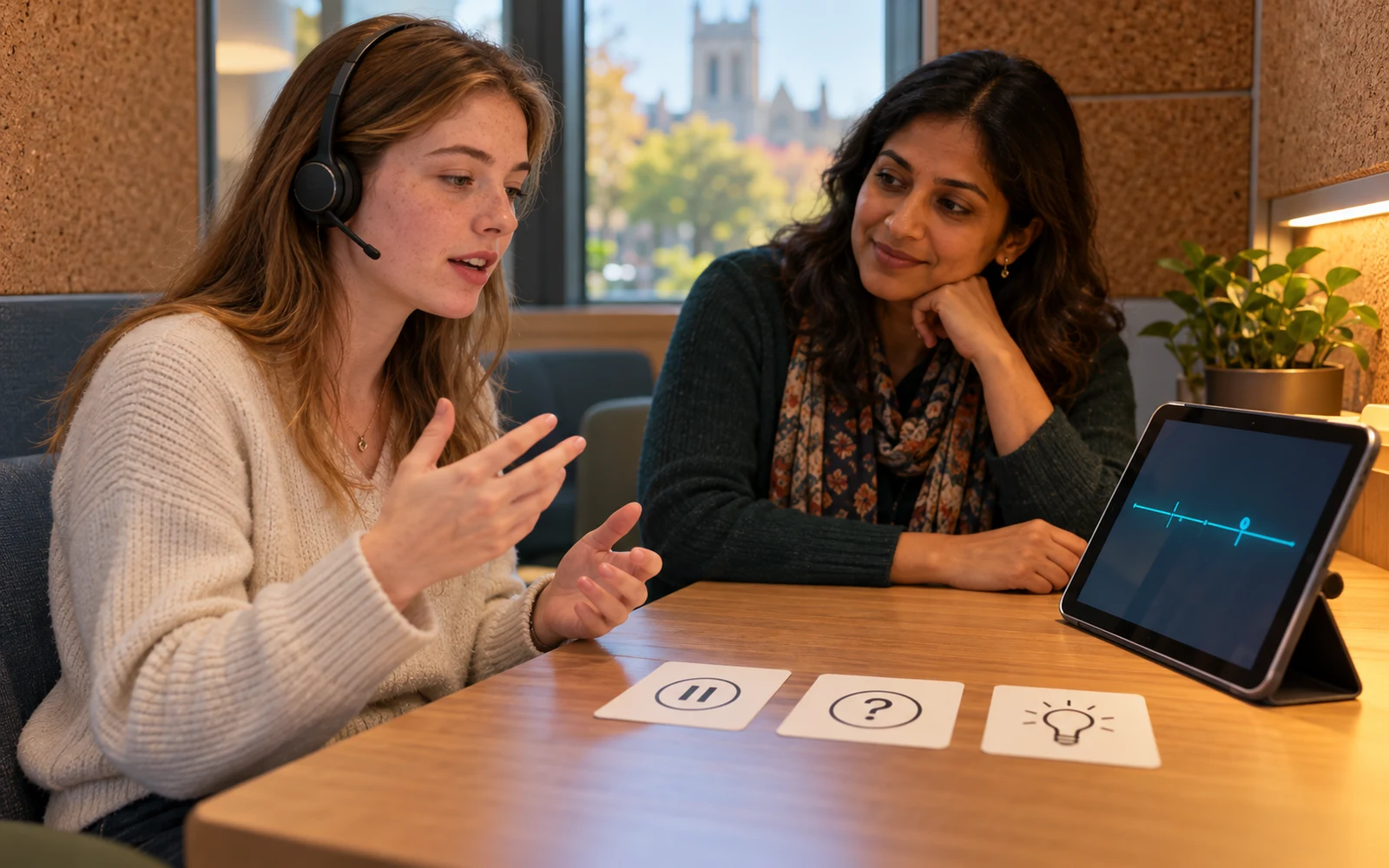
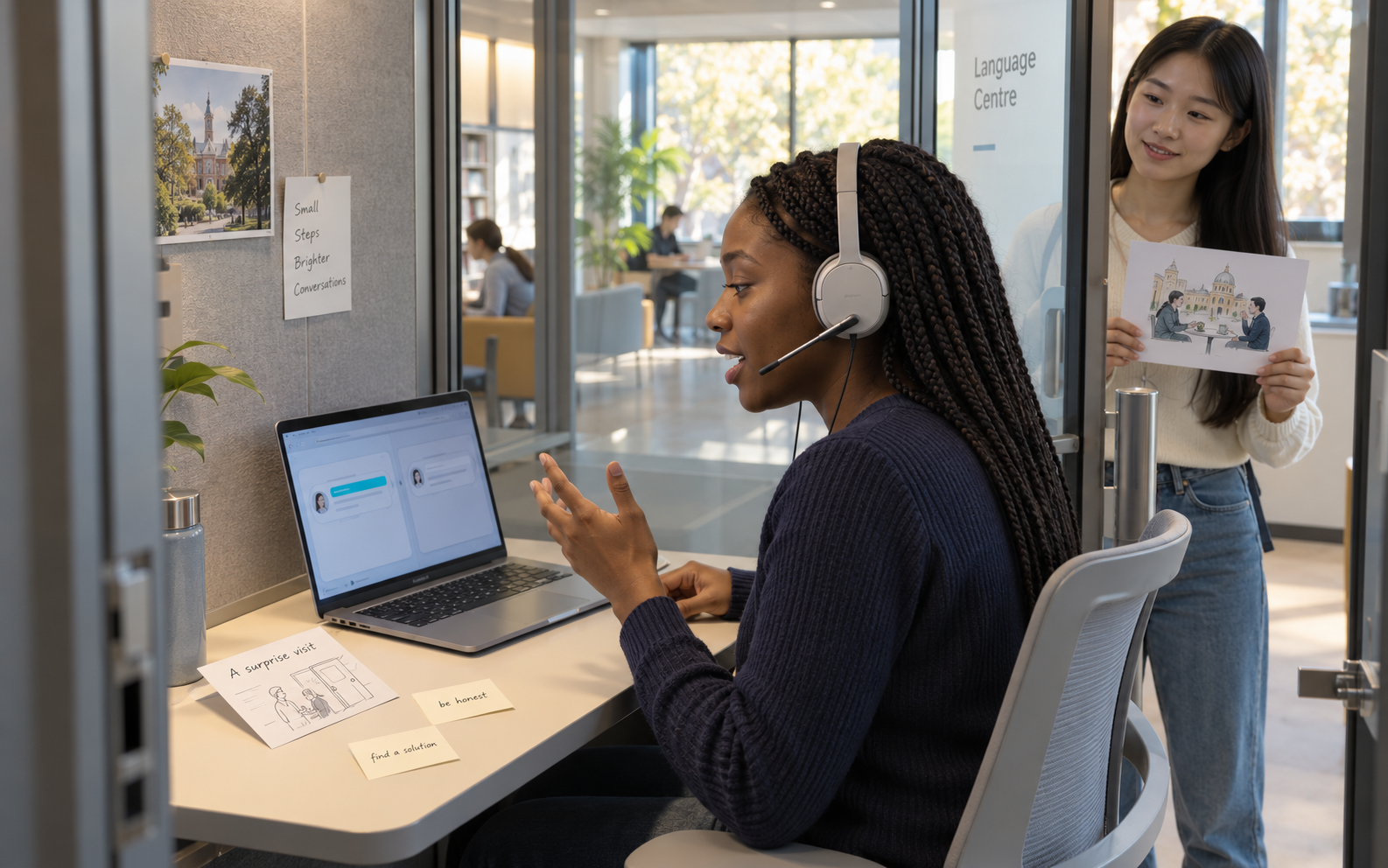
An AI conversation partner can offer repeated opportunities to speak without the immediate social pressure of addressing a teacher or classmate. Dongliang Ding and Ahmad Muhyiddin B Yusof investigated whether that kind of practice was associated with better speaking performance and lower speaking anxiety. Their study examined a structured use of Mondly within IELTS preparation. It concerns a defined language-learning activity rather than a general claim that conversational AI can replace the interpersonal work of learning to communicate.
Sixty undergraduate learners from two existing classes at an IELTS preparation center in China took part. Thirty used Mondly as a supplementary out-of-class speaking resource for six weeks, and thirty completed alternative speaking practice. The study used a convenience sample and intact classes rather than individual random assignment. Before and after the intervention, participants completed an IELTS-format speaking assessment and a nineteen-item speaking-anxiety questionnaire. Interviews with thirteen learners from the chatbot group added information about how the activity felt and where they encountered difficulties.
The chatbot practice included functional conversations and extended responses linked to the speaking curriculum. Learners could rehearse situations, receive feedback and repeat practice. The authors sought to make the practice relevant to the skills being assessed, such as fluency, pronunciation and the organization of a spoken response. That alignment matters when interpreting the findings: improvement on a closely matched assessment is useful, but it does not automatically establish flexible communication across unfamiliar topics, partners or social settings.
Average speaking scores rose from 5.06 to 5.78 in the chatbot group and from 5.14 to 5.42 in the comparison group. Analyses adjusting for pre-test scores favored the chatbot condition for both speaking performance and self-reported anxiety. Interviewees described benefits involving practice, confidence and willingness to speak. These reports help explain why a low-pressure practice setting may appeal to learners, but they do not independently establish the mechanism of improvement. The combination of structured tasks, feedback, repetition and the particular platform was evaluated as a package.
Several qualifications remain important. One center and two intact classes offer limited protection against differences in teaching context or learner characteristics. The intervention was short, and the commercial platform did not allow researchers to isolate individual features. Anxiety was measured through self-report, not as a clinical outcome, and the study does not establish an enduring change beyond the immediate post-test. Some participants wanted more varied topics and interaction options. Human partners still supply unpredictable responses, shared context and negotiation of meaning that a structured application may not reproduce fully.
For AIEDHK, a reasonable pilot would position chatbot practice as preparation for human communication. Learners could rehearse a scenario, review a small number of recurring difficulties, and then complete a related conversation with a peer or teacher. Evaluation should include an unfamiliar speaking task, recorded practice exposure and a delayed check, alongside learners' own experience. These are proposed next steps rather than outcomes of the study. The practical aim is additional meaningful practice that helps a person speak more effectively with other people, with performance, confidence and longer-term development kept as separate questions.