Knowledge Tracing and Learner Models
How digital learning systems estimate changing mastery from interaction records, why predictions remain uncertain, and how transparent learner models can support better decisions.
출처
전체 수업 요약
A learner model is a structured representation of what a system believes about a learner at a particular time. It may include estimates of knowledge, skills, strategies, goals, or engagement. Knowledge tracing is a narrower family of methods that updates an estimate of knowledge as a learner completes a sequence of tasks. The important word is estimate. Knowledge is not observed directly. The system observes evidence such as which item was attempted, whether the response was correct, how much time or help was used, and which knowledge components the item is assumed to require.
Bayesian Knowledge Tracing represents each knowledge component with a probability that it has been learned. A classic model includes an initial mastery estimate, a probability of learning after an opportunity, and allowances for a correct guess or an incorrect slip. After each tagged response, the model updates its estimate and predicts later performance. This makes assumptions visible, but the result depends heavily on how items are mapped to skills. Extensions may represent forgetting, item difficulty, multiple strategies, or individual differences because a simple correct-or-incorrect sequence cannot capture every path to understanding.
Deep Knowledge Tracing introduced recurrent neural networks that learn patterns across longer interaction sequences without requiring the same hand-specified state structure. Later models use attention, memory, graphs, or other architectures. Greater flexibility can improve prediction on some datasets, but a higher benchmark score does not automatically produce a more valid learner model. Comparisons can change with data splits, hyperparameters, baselines, and evaluation metrics. A model may also exploit repeated items or platform routines without representing durable knowledge. Useful evaluation asks about calibration, performance for new learners and items, transfer across contexts, and whether uncertainty is communicated.
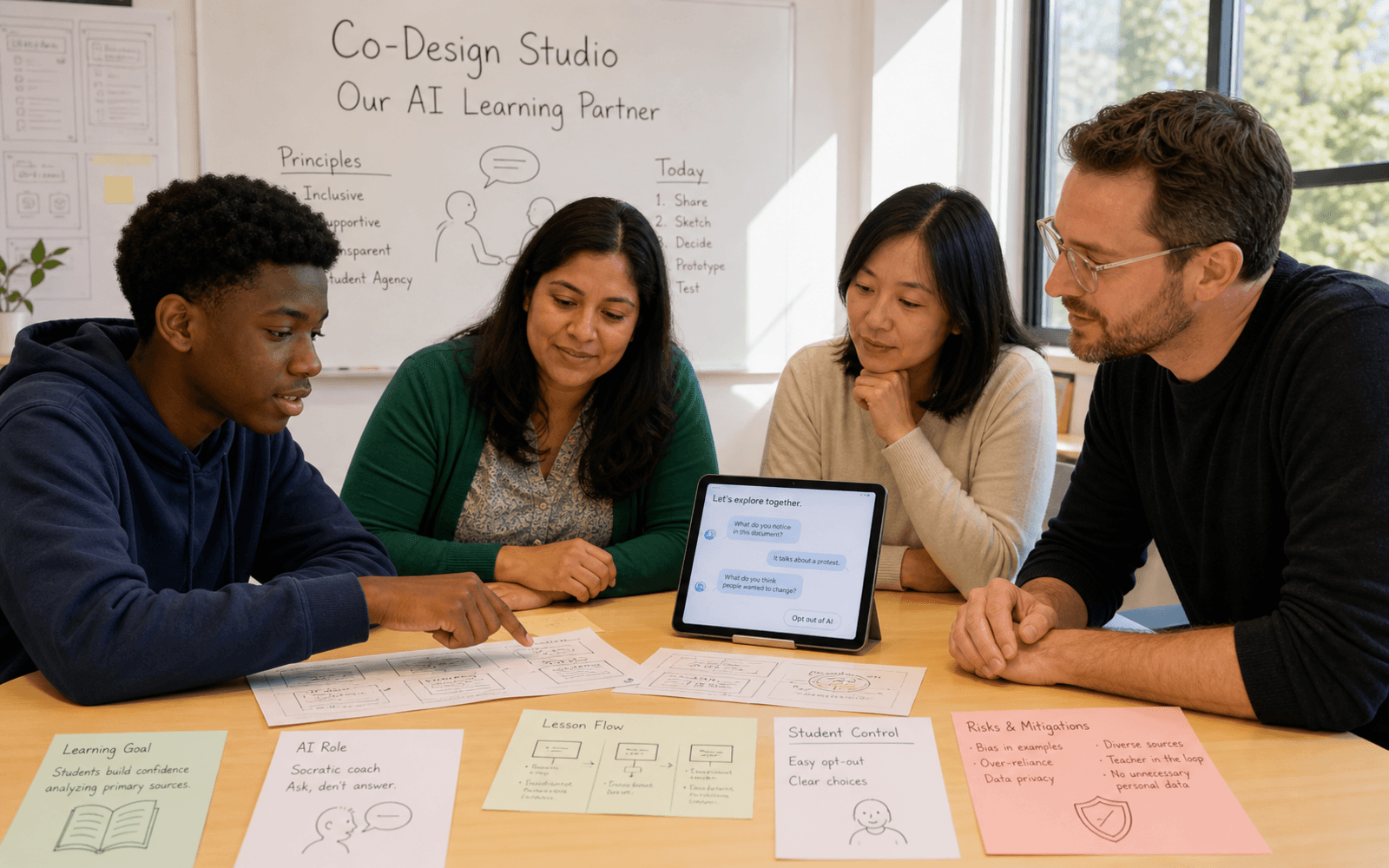
Predictions become educationally meaningful only through the decisions they inform. A tutor might choose the next practice item, while a dashboard might help a teacher identify a pattern worth investigating. These actions should not treat a low probability as a fixed trait or diagnosis. Missing practice, language demands, accessibility barriers, guessing, collaboration, and poor item design can all shape the record. Open learner models make selected evidence and inferences visible to learners, sometimes allowing them to question or correct the representation. This can support reflection and trust while improving model accuracy.
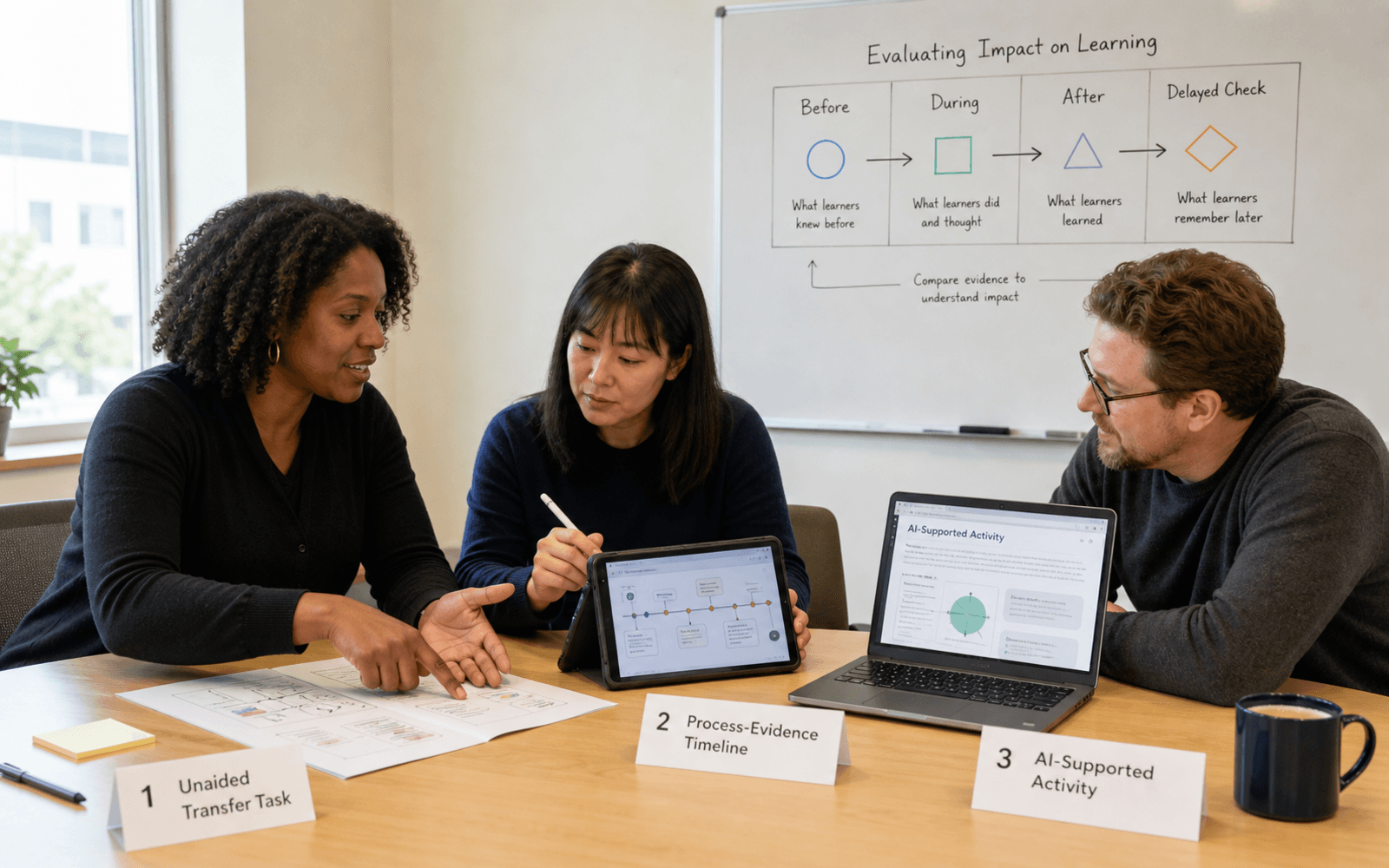
In education, teachers and learners should use a learner model as a revisable hypothesis. A class can calculate a small Bayesian trace from several responses, change the guess or slip assumption, and observe how the estimated state moves. Learners can compare that trace with explanations, transfer tasks, and their own confidence, then identify evidence the model missed. Systems should minimize data collection, protect sensitive records, test for uneven errors, and preserve human review for consequential decisions. Knowledge tracing is valuable when it turns interaction history into a transparent prompt for better support, not when a probability replaces the learner or the teacher's judgment.