AI tutoring outperforms in-class active learning: an RCT introducing a novel research-based design in an authentic educational setting
Greg Kestin, Kelly Miller, Anna Klales, Timothy Milbourne, Gregorio Ponti
Scientific Reports
500語要約
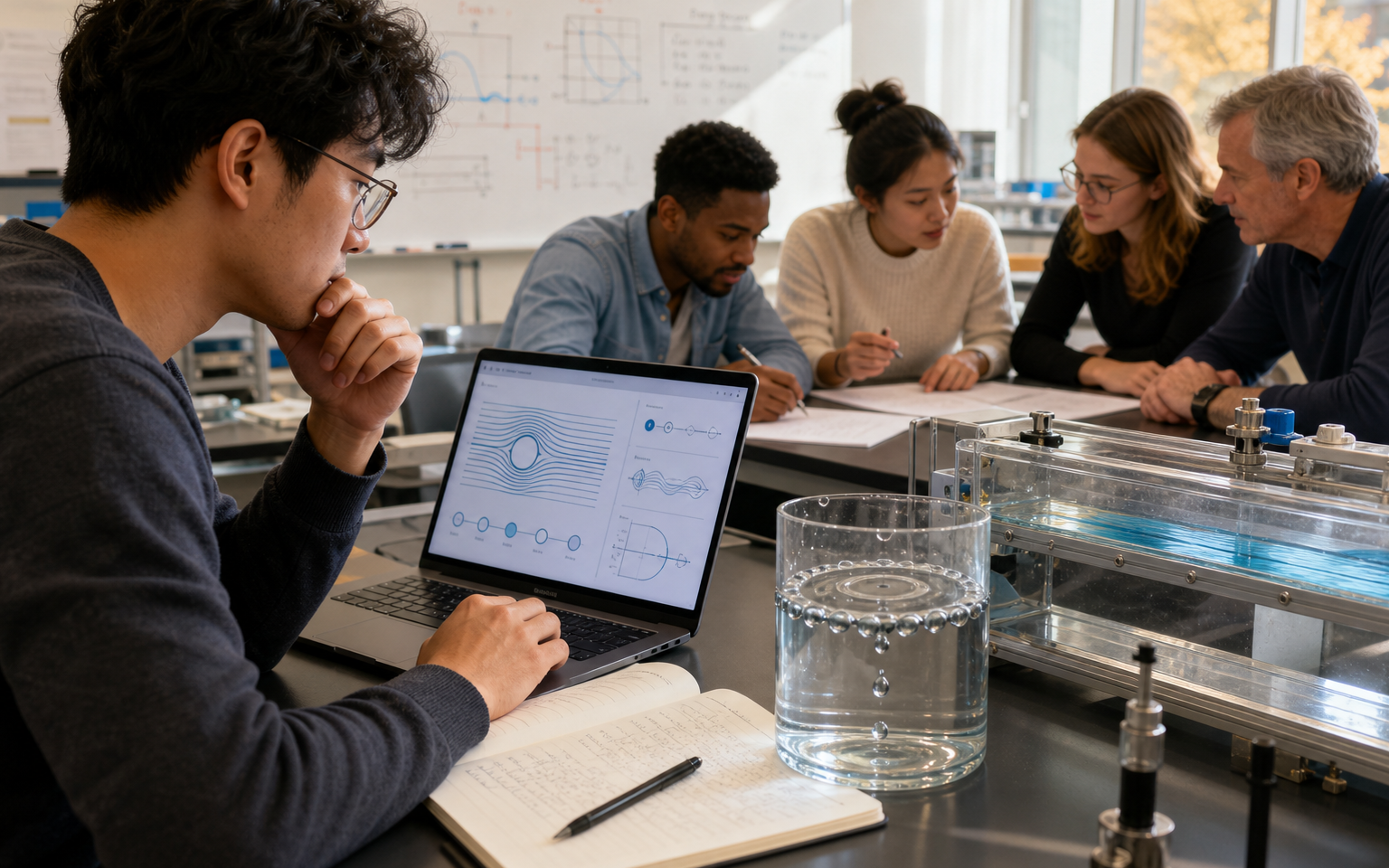
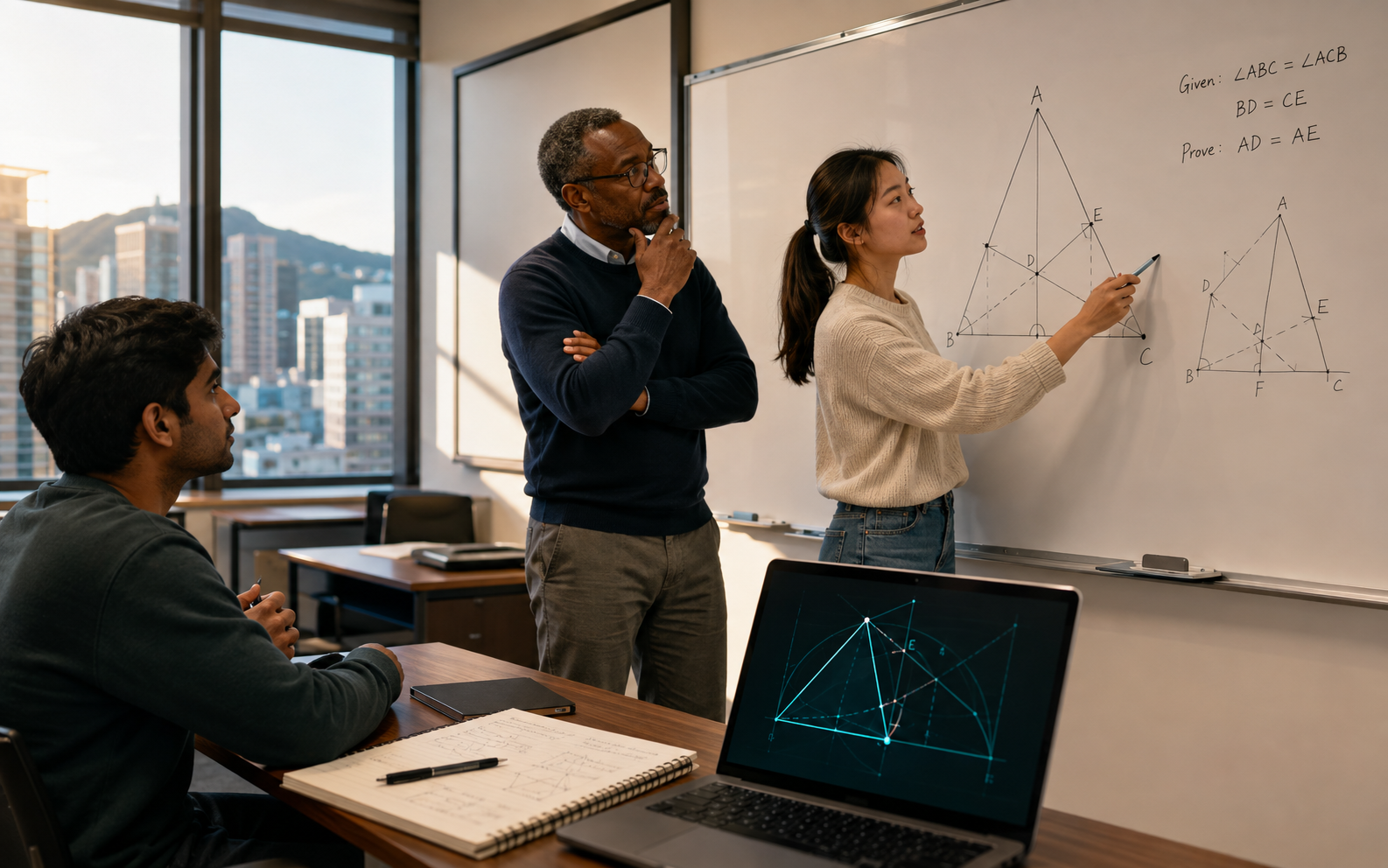
Kestin, Miller, Klales, Milbourne, and Ponti test whether a deliberately designed generative-AI tutor can match or exceed a strong classroom comparison rather than a passive lecture. Their open-access Scientific Reports article describes a randomized crossover experiment in a large introductory physics course at Harvard University. The central comparison is between an AI tutor built around established learning principles and an in-class active-learning lesson covering the same content.
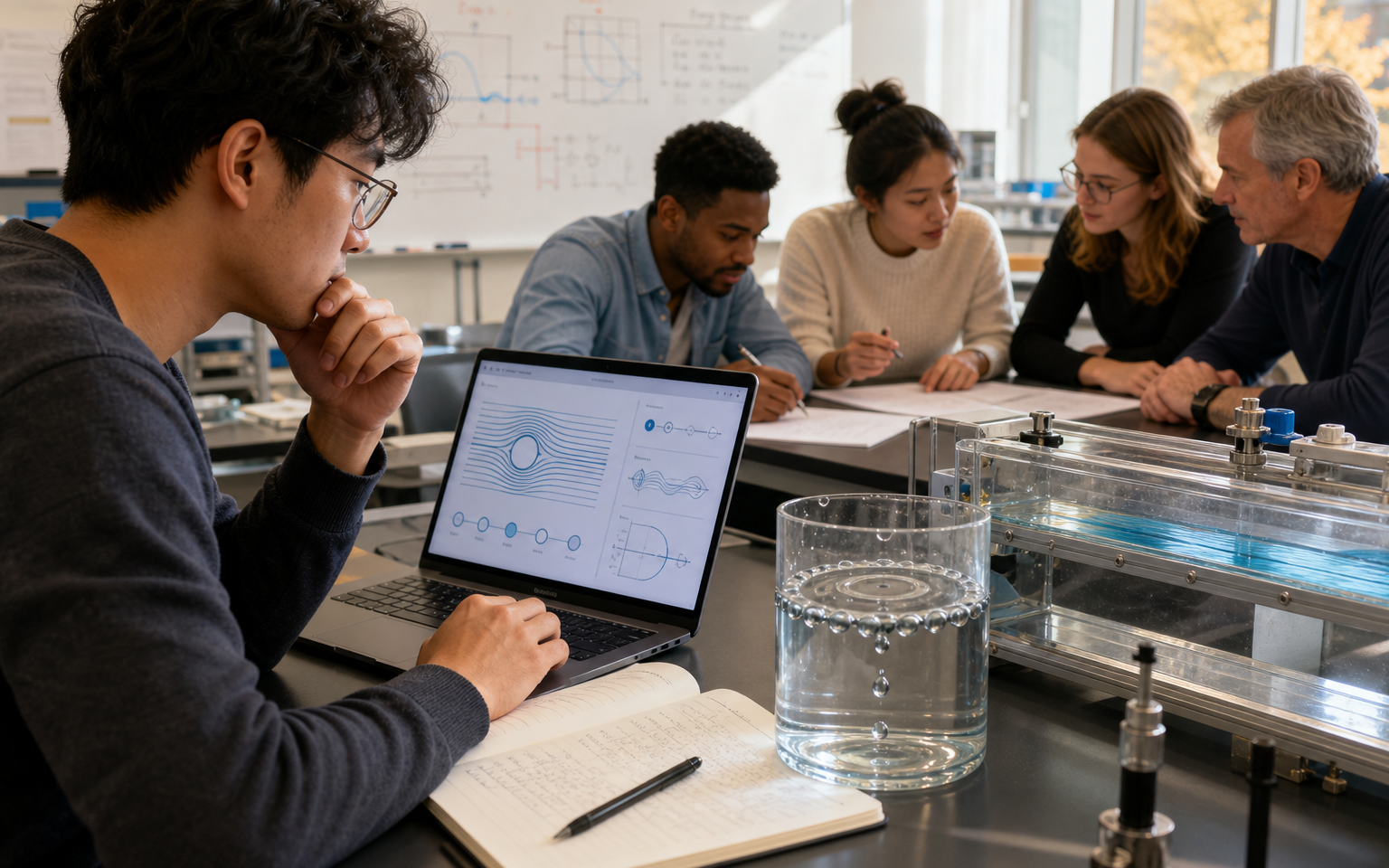
The study involved 194 undergraduates and two consecutive lessons on surface tension and fluid flow. Students were divided into two groups. In the first week, one group completed an AI-supported lesson at home while the other attended the active-learning class; the conditions were reversed in the second week. Both groups completed a pre-test and post-test for each topic. The researchers also measured time on task and asked students about engagement, enjoyment, motivation, and growth mindset.
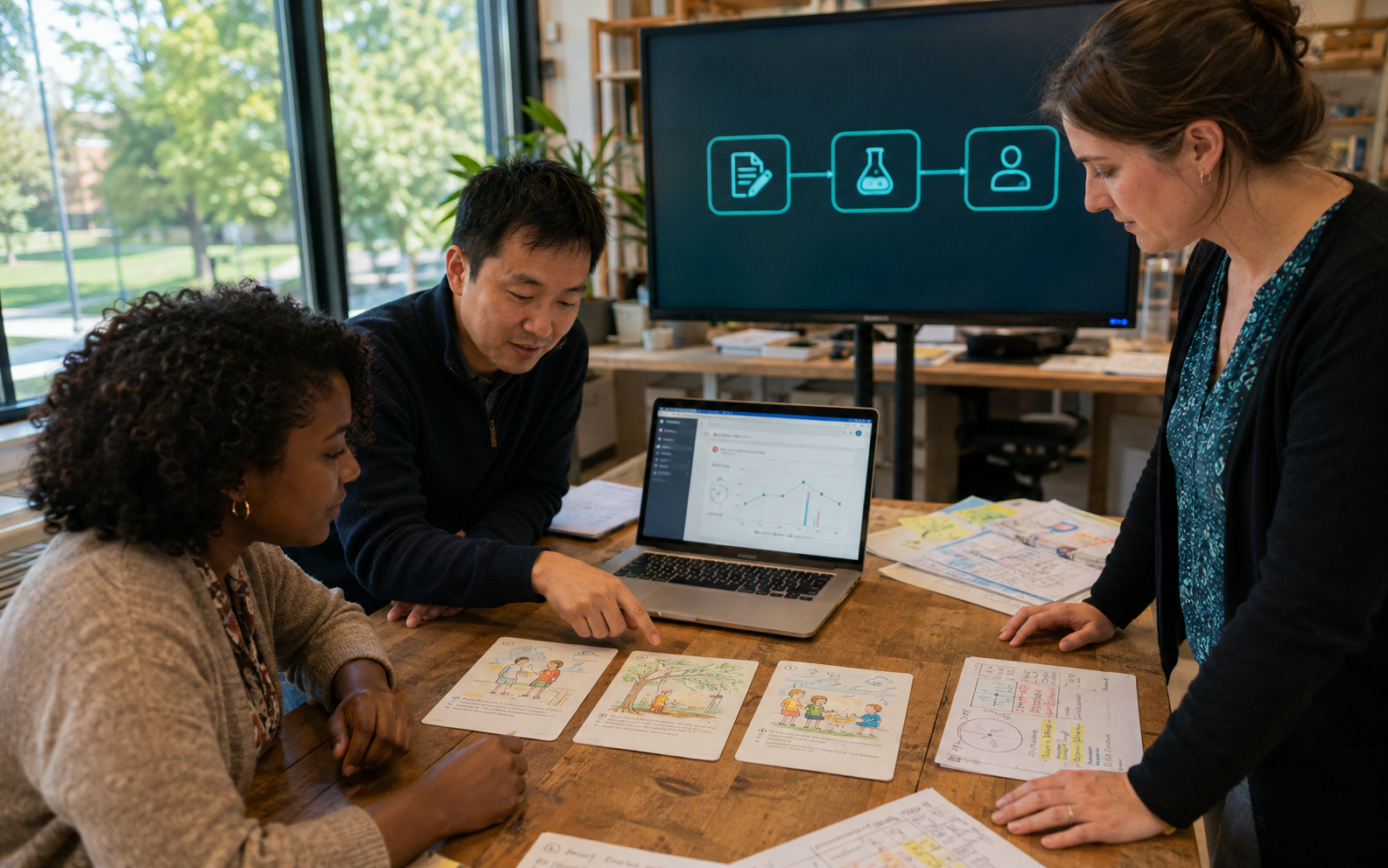
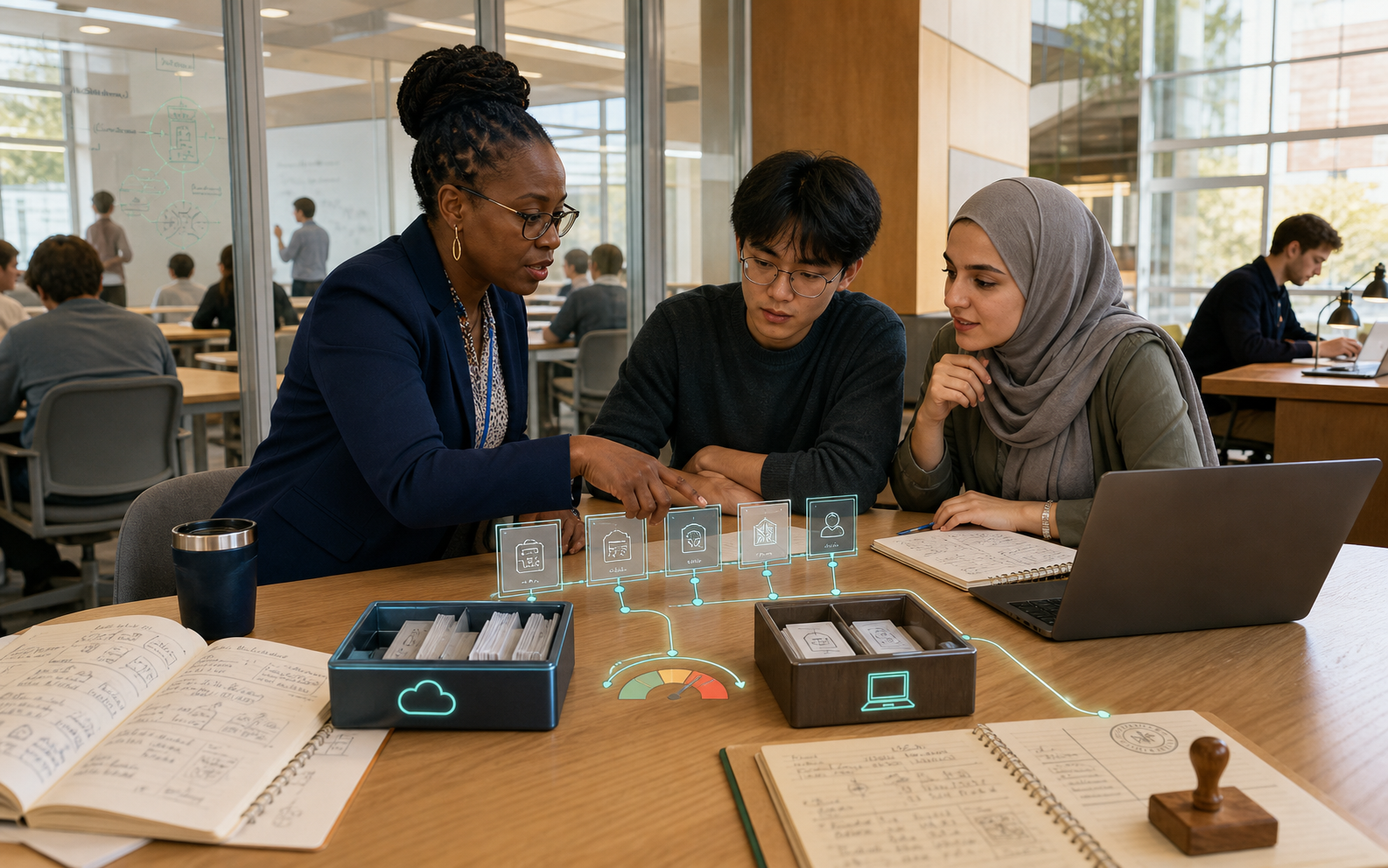
The tutor was not a generic chatbot. Physics instructors created question-specific prompts, structured the interaction to manage cognitive load, embedded content-rich explanations and videos, and required the model to scaffold the learner rather than simply provide answers. This design choice is crucial: the experiment evaluates a pedagogically engineered system operating inside a defined lesson, not unrestricted use of a general-purpose AI assistant.
Students in the AI-tutored condition achieved higher post-test scores. The median post-test score was 4.5 for the AI group and 3.5 for the in-class group, against a combined pre-test median of 2.75. The authors report that median learning gains were more than twice as large with the AI tutor and that the difference was statistically significant. Regression analyses controlling for prior physics knowledge, course performance, ChatGPT experience, topic, test version, and time on task produced a large estimated effect. The authors place the effect between 0.73 and 1.3 standard deviations after addressing a ceiling effect.
The AI condition was also faster for many learners. The classroom lesson provided about 60 minutes of learning time after tests, while the median AI-tutor time on task was 49 minutes; 70 percent of AI users spent less than 60 minutes. Students reported higher engagement in the AI condition and also rated enjoyment, motivation, and growth-mindset-related experience positively. The individualized pace and immediate feedback may help explain both the cognitive and affective results.
The findings need careful boundaries. This was a short intervention covering two physics topics at one selective university. The comparison was not a full course, and the post-tests measured immediate mastery rather than long-term retention, transfer, collaboration, or independent problem solving. The result may depend on GPT-4, expert-written prompts, high-quality instructional videos, a tightly structured framework, and content that fits stepwise tutoring. The authors explicitly caution that the tutor may not outperform classroom active learning for complex synthesis or higher-order critical thinking.
For AIEDHK, the paper offers a productive contrast to studies of unrestricted AI. The result does not show that any chatbot improves learning. It shows that pedagogical architecture can matter as much as model capability. Schools and universities considering AI tutors should document the tutor's instructional rules, compare it with a credible teaching practice, and measure retention and transfer after access is removed. A strong pilot would also examine who benefits, which learners disengage, how errors are handled, and how the tutor complements human discussion. The practical lesson is to evaluate a designed learning system—not merely access to a model.