Product news: Claude Code 2.1.231 repairs MCP OAuth sign-in for pre-registered clients
Anthropic
AI Product and Learning Report
500語要約
Anthropic released Claude Code 2.1.231 as a focused reliability update for Model Context Protocol connections. It fixes OAuth sign-in failures caused by a redirect URI mismatch when an MCP server uses a pre-registered OAuth client, with Slack named as an example. The change is narrow, but it concerns a critical boundary: how an AI coding environment receives delegated access to another service on a user's behalf.
OAuth is designed to let a user authorize limited access without handing the connecting application a password. The redirect URI is part of that control. After authorization, the service returns the user to an address registered for the client. Exact matching helps prevent authorization responses from being sent to an unintended location. A mismatch can block a legitimate connection, while loose or incorrectly configured redirects can create security risk. Repairing compatibility should therefore preserve strict validation rather than encourage broad wildcards.
In education, connected services may contain course discussions, research files, staff messages, student work, or administrative records. Successful sign-in does not mean every resource is appropriate for an agent to read. Scope, account role, workspace policy, channel membership, data classification, and the purpose of the task remain separate decisions. An instructor who can read a private conversation may still lack authority to expose it to an automated workflow or include it in assessment evidence.
A responsible integration test starts in a non-production workspace with synthetic data. Administrators register the exact redirect URI, request the minimum scopes, verify consent text, and observe where tokens are stored. They test denial, expiration, account switching, revocation, and removal of the MCP server. Logs should identify which user authorized which service and action without recording token values or unnecessary content. Security staff should also review the MCP server itself, its operator, update process, and data-retention terms.
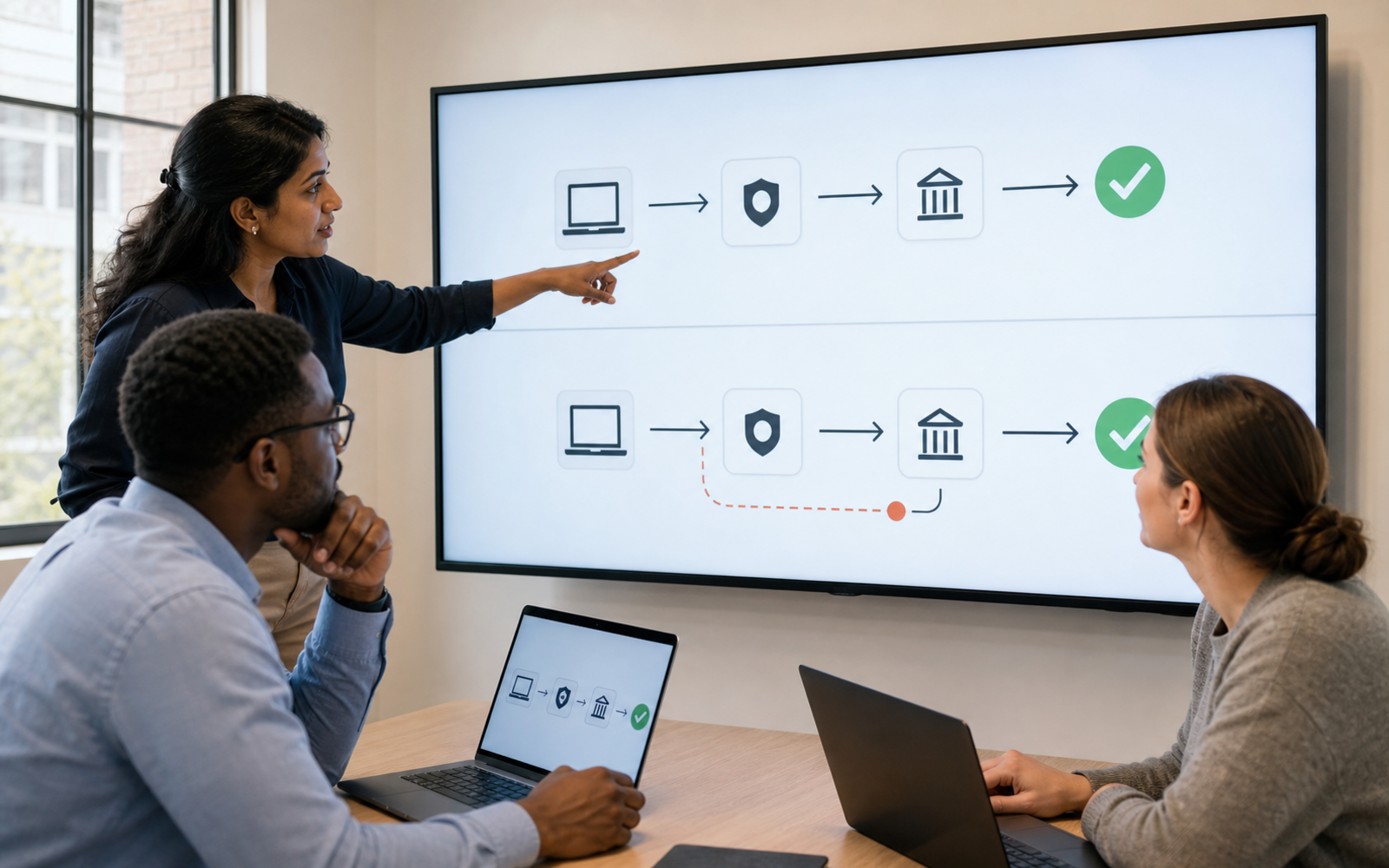
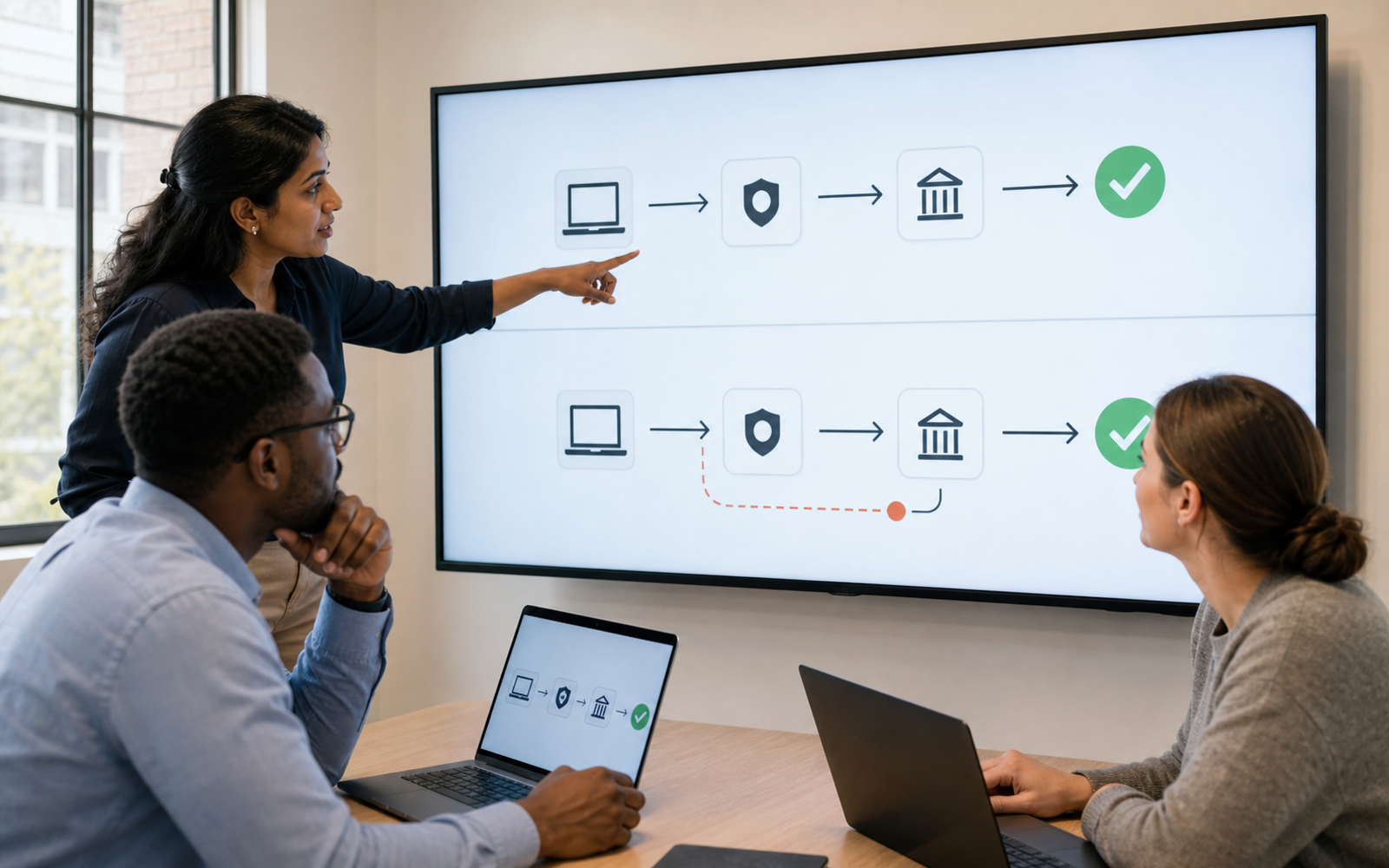
For a classroom exercise, students can diagram the authorization flow and distinguish authentication, authorization, data access, and task acceptance. They identify what the user proves at sign-in, which permissions the client receives, what the agent can request, and which human remains responsible for the output. A successful connection is then tested with the least sensitive sample and removed afterward. This makes connected-tool literacy concrete rather than reducing OAuth to a login button.
For AIEDHK, the release is a useful reminder that reliability and governance must advance together. A broken redirect blocks approved work; a repaired redirect should restore only the access that policy and consent already permit. Institutions need an inventory of connected services, approved clients, scopes, owners, review dates, and revocation procedures. They should also require source provenance when connected content influences an answer. Claude Code 2.1.231 resolves a sign-in defect, but educational legitimacy still depends on least privilege, transparent consent, protected tokens, auditable use, and human judgment about the data and result. Regular access reviews should remove abandoned clients and confirm that former students, staff, and project members no longer retain delegated permissions.