Product news: OpenAI Decisions API targets faster bounded choices in learning applications
OpenAI
AI Product and Learning Report
500語要約
OpenAI announced general availability of the Decisions API on October 22, 2026. The service uses GPT-6 Luna for questions with bounded answers, returning a probability, a selected option or a rubric score. The announcement adds a native GPT-Live connection and cites language-learning company Speak's internal timing results. These are product capabilities and a customer-reported performance observation. They do not demonstrate better language learning or establish that a fast automated choice is educationally appropriate.
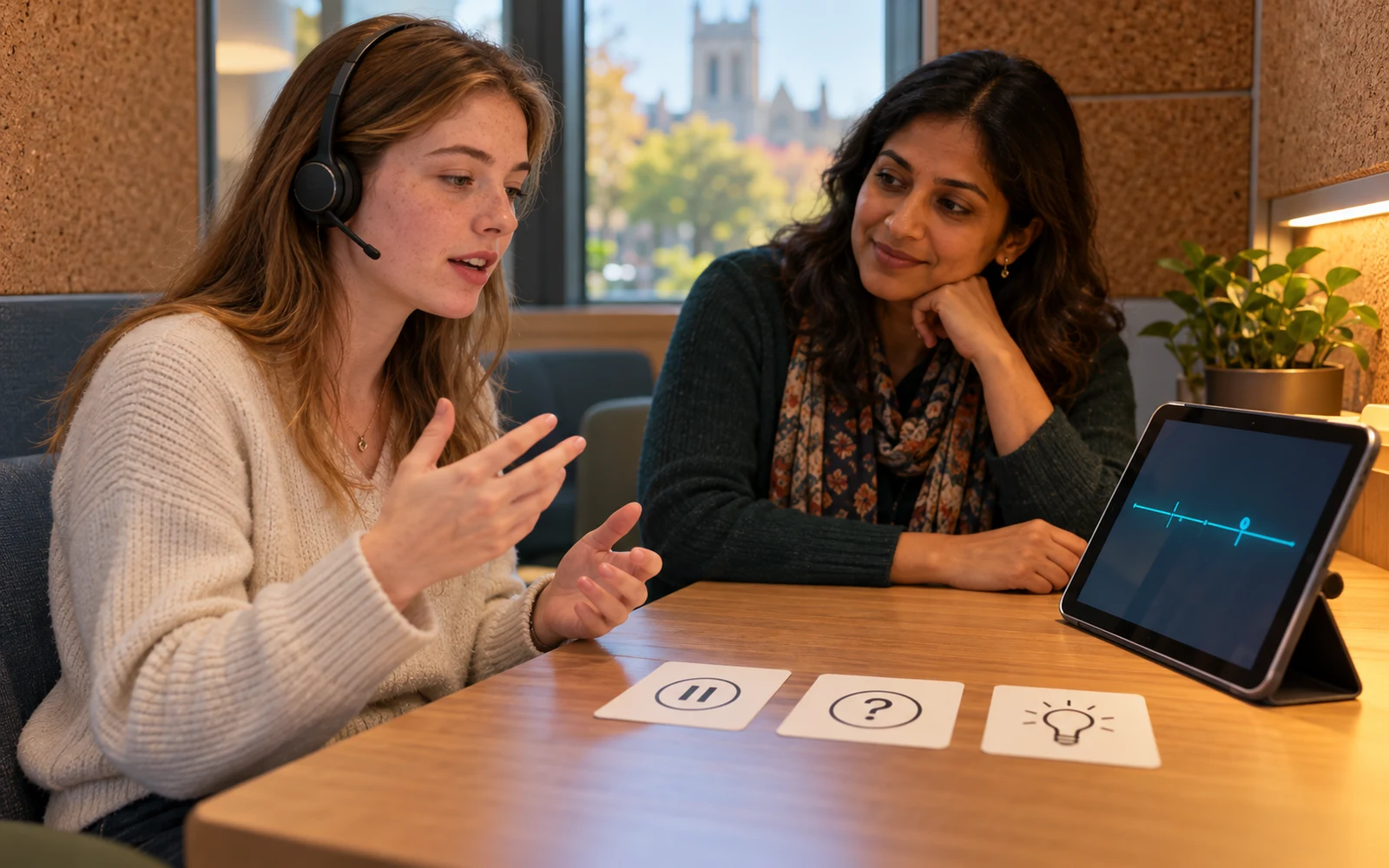
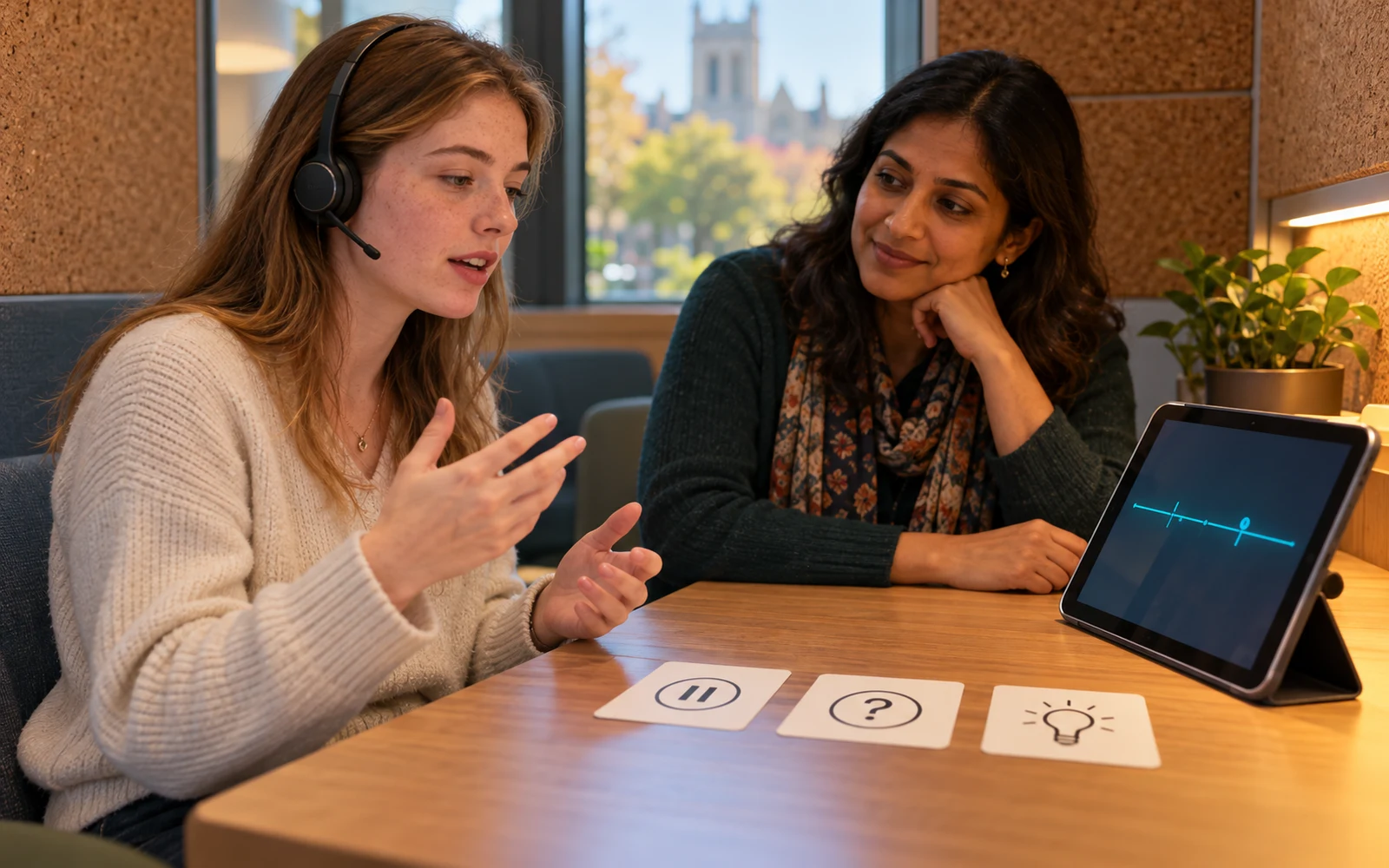
For education developers, the announcement makes a familiar teaching decision more explicit: what should happen next? The following design exercise is an AIEDHK proposal, rather than a tested use described by the vendor. A speaking-practice activity could offer a small set of actions, such as waiting for the learner, asking for clarification or providing a hint. The teaching team would first explain when each action is useful, including cases where the available information is insufficient to choose confidently.
Consider a learner who pauses halfway through a sentence. The pause might indicate careful planning, unfamiliar vocabulary, a microphone problem or an intention to stop. A system that always responds quickly could interrupt productive thinking. Designers could write several fictional examples with the same pause but different surrounding evidence. Teachers and learners could discuss which response would be welcome and what additional information would change their judgment. That discussion would help define the application before an automated component is introduced.
The pilot interface could make the selected action visible to the teacher and easy for the learner to correct. A learner might request more thinking time or indicate that a hint arrived too soon. The team could retain these corrections as examples for review, while collecting only the information necessary for the exercise. A narrow choice menu would still need an appropriate route for uncertainty, because forcing every situation into a familiar category can conceal a missing alternative.
Evaluation could compare the assisted activity with the course's existing practice routine. Reviewers would inspect interruptions, unsuitable hints, recovery after misunderstanding and the effort required to intervene. They could separately assess whether learners later handle a similar conversation without assistance. This would keep interface responsiveness, participant experience and language performance as distinct outcomes. A pleasant exchange might justify further testing, while a later independent task would provide different evidence about learning.
Teachers could also ask students to explain a disputed choice. If an assistant offered a vocabulary hint, what evidence suggested that vocabulary was the problem? Could a clarification request have been more useful? Students could propose an alternative response and justify it using the conversation. This turns a hidden application decision into something that can be discussed, challenged and improved during a lesson.
A sensible first release would therefore use one bounded activity with a small audience and an agreed review process. The team would record its intended choices, known uncertainties and observed failures before expanding the workflow. The practical opportunity is to make instructional decisions easier to examine while reducing unnecessary delay. Whether that combination supports learners needs to be established through the actual activity and its consequences.