Product news: A Utah teacher's ChatGPT Work case highlights preparation time and the craft of adapting assignments
OpenAI Academy
AI Product and Learning Report
Ringkasan 500 kata
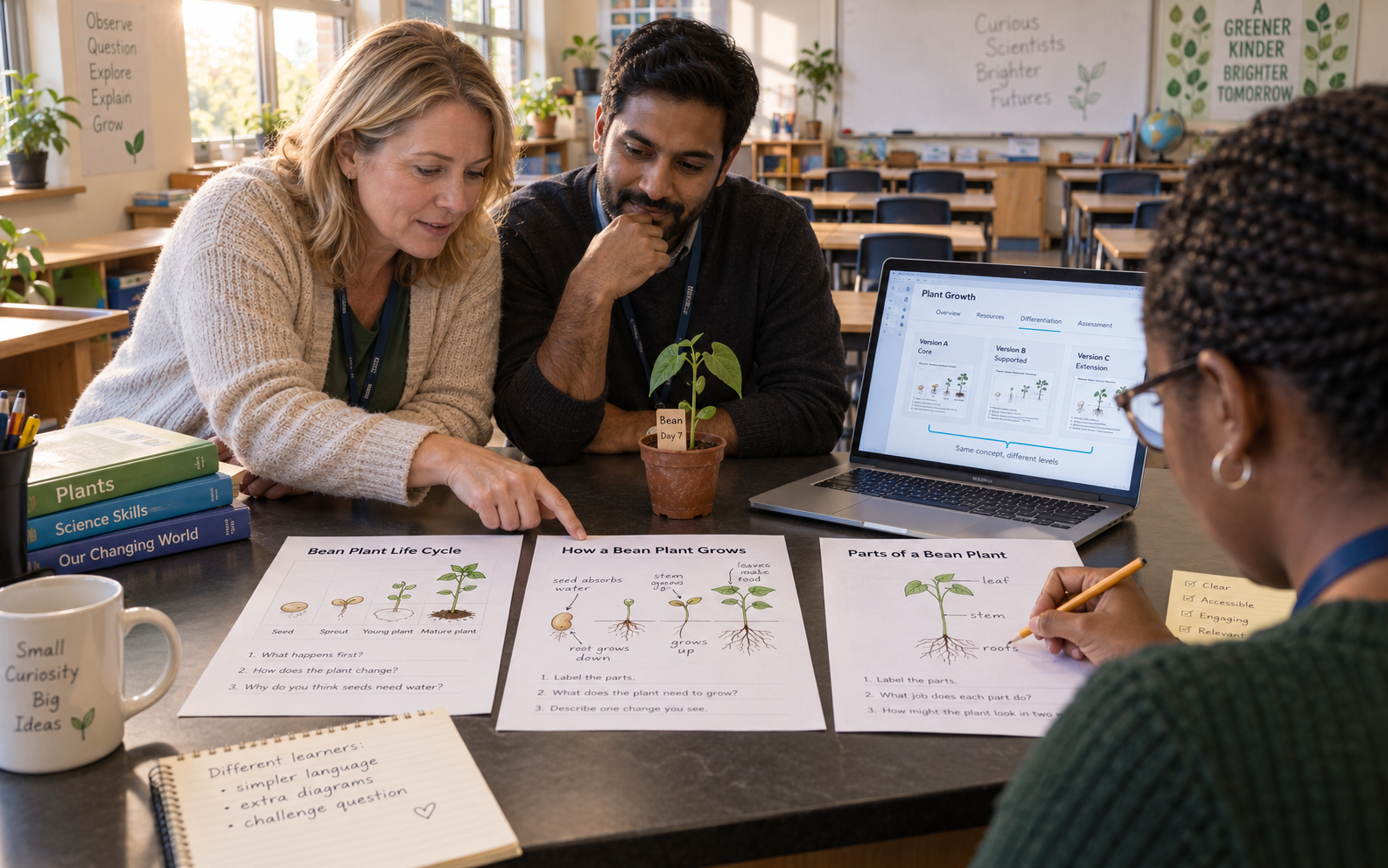
OpenAI Academy published a profile of Utah teacher Ashtin Johnson on September 2, 2026. It describes her use of ChatGPT Work to prepare Canvas courses and adapt assignments for fifth graders working at different levels. Johnson reports substantial time savings and more attention available for students. This is a vendor-published practitioner account, rather than an independent evaluation of workload or learning. Its value is the visibility it gives to a recognisable teaching workflow.
Preparing an online course involves more than drafting text. A teacher has to organise the sequence, connect instructions with resources, check dates, and make sure pupils and families can find what they need. An assistant may help assemble these pieces, but the educational decisions remain consequential. A beautifully organised page can still contain an unclear task, an inaccessible document, or an activity that does not fit the lesson's purpose.
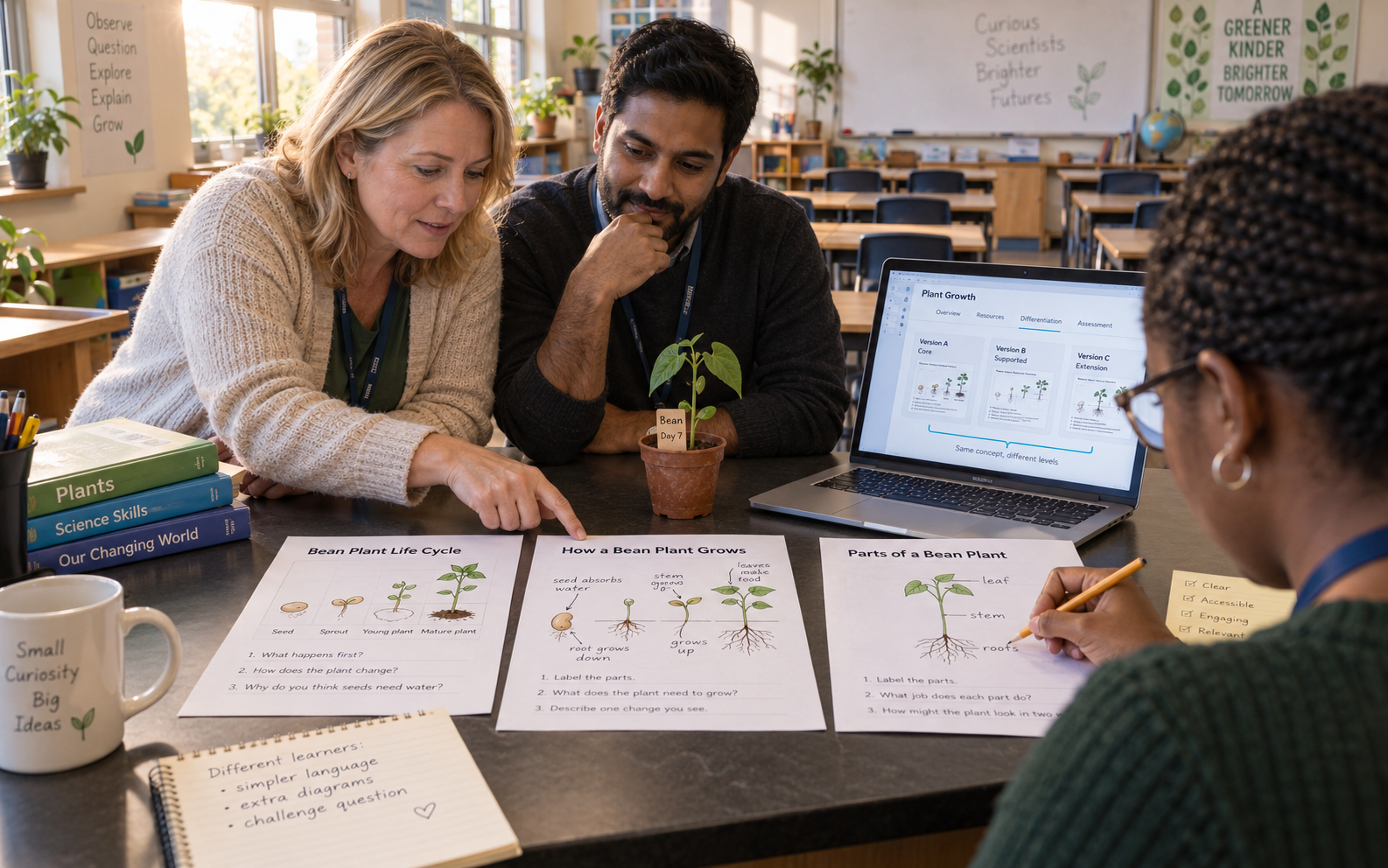
Assignment adaptation deserves especially careful attention. Shorter sentences may improve access to a reading task, while removing the central reasoning challenge would change what students are learning. Teachers can compare versions by asking which ideas remain common, which support has been added, and whether every student still has something worthwhile to think about. The important distinction is between adjusting access to the work and quietly replacing the work with a simpler objective.
A proposed planning meeting could begin with one shared science question and several draft explanations. Colleagues would annotate where vocabulary, examples, diagrams, and prompts differ. They could then identify an observable response that would show whether students understood the common idea. The review need not require a lengthy rubric: a brief account of the intended support and the reasoning retained would make the adaptation more transparent.
Anthropic's August 28 teacher update adds lesson preparation and checks of understanding, while Gemini's earlier Classroom update connects study prompts with class materials. These are useful contemporary comparisons to OpenAI's case. All three place AI near an existing teaching activity, but they do not establish the same workflow, access conditions, or outcomes. A teacher should select a feature because it solves a clearly identified preparation or learning problem.
Workload claims also deserve a complete accounting. Drafting time, checking time, correction time, and later reuse can move in different directions. A template that saves an hour today may require substantial repair tomorrow; a carefully reviewed resource may become more useful over repeated lessons. Teachers assessing a pilot could keep a short time diary and note which tasks became easier, which became harder, and whether the resulting materials needed further revision after use.
The case points towards a form of professional learning that begins with actual classroom work. Staff could share an original task, an AI-assisted revision, and a short explanation of what they accepted or rejected. Student responses would then inform the next revision. Johnson's experience is a useful example to discuss, but it should not become a universal promise about hours saved. For schools, the stronger question is whether assistance improves the preparation process while preserving teacher judgment and the substance of learning.