Product news: Microsoft reports a 25% emissions rise amid AI data-centre growth despite water and circularity milestones
Brad Smith, Melanie Nakagawa, Microsoft
AI Product and Learning Report
500-शब्द सार
Microsoft published its 2026 Environmental Sustainability Report on July 9, covering fiscal year 2025 and measuring progress against a 2020 baseline. The accompanying statement explicitly connects rapid AI growth with higher demand for energy, water, land and materials. That admission makes the report relevant to education systems that increasingly depend on cloud-hosted generative AI. The document combines progress indicators with evidence of mounting infrastructure pressure, so neither an entirely celebratory nor an entirely negative reading would represent the company's own reported results accurately.
The central carbon result is a year-over-year increase of 25% in total Scope 1, 2 and 3 emissions. Microsoft attributes the rise mainly to data-centre infrastructure expansion and its decision to pause non-additional, unbundled renewable-energy certificates while pursuing electricity investments that add new generation to grids. Scope 3 remained the largest part of the footprint. Scope 2 grew from nearly 2% of total emissions in the previous year to 13%. Microsoft also says it matched 100% of annual global electricity consumption with renewable energy during fiscal year 2025.
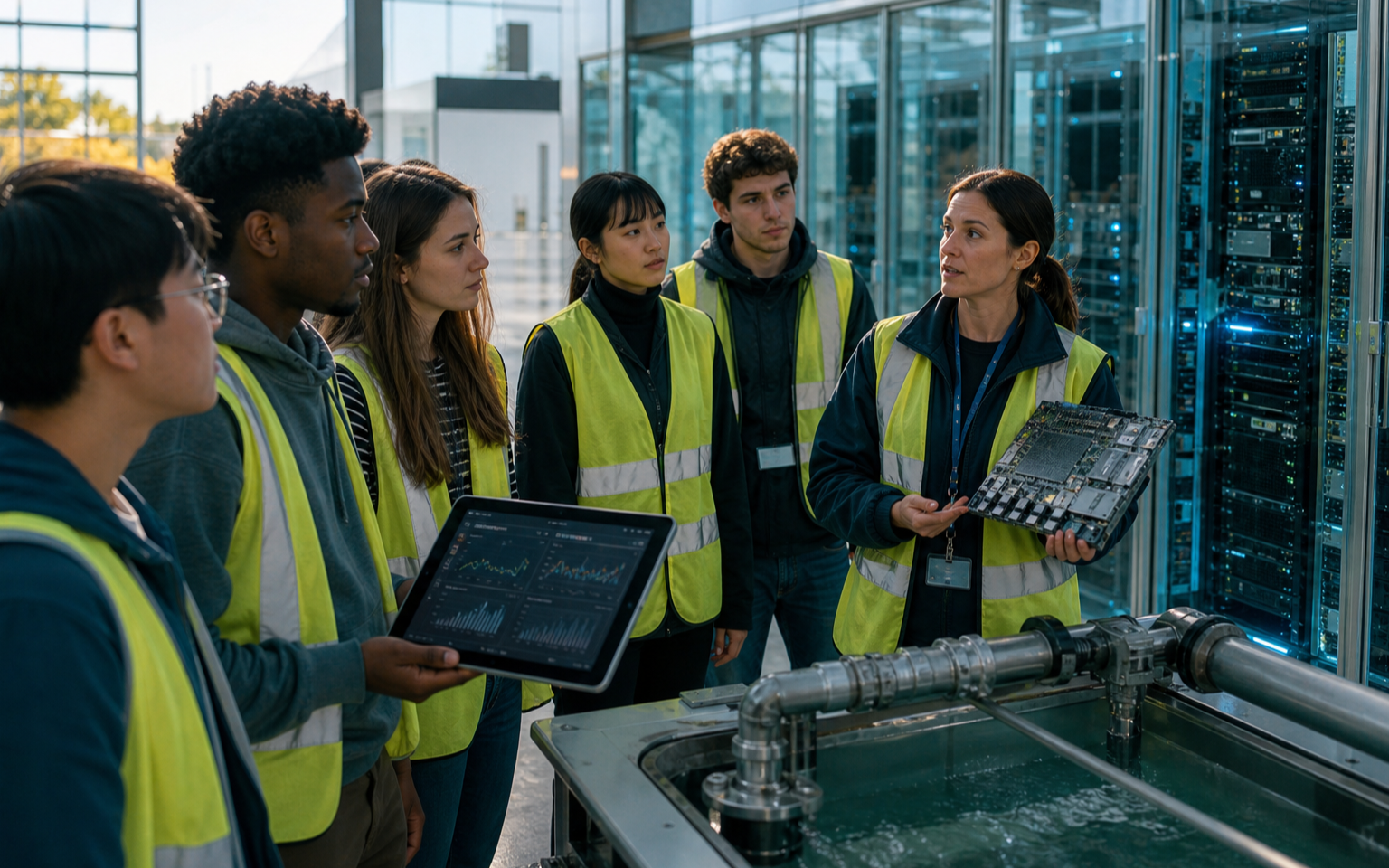
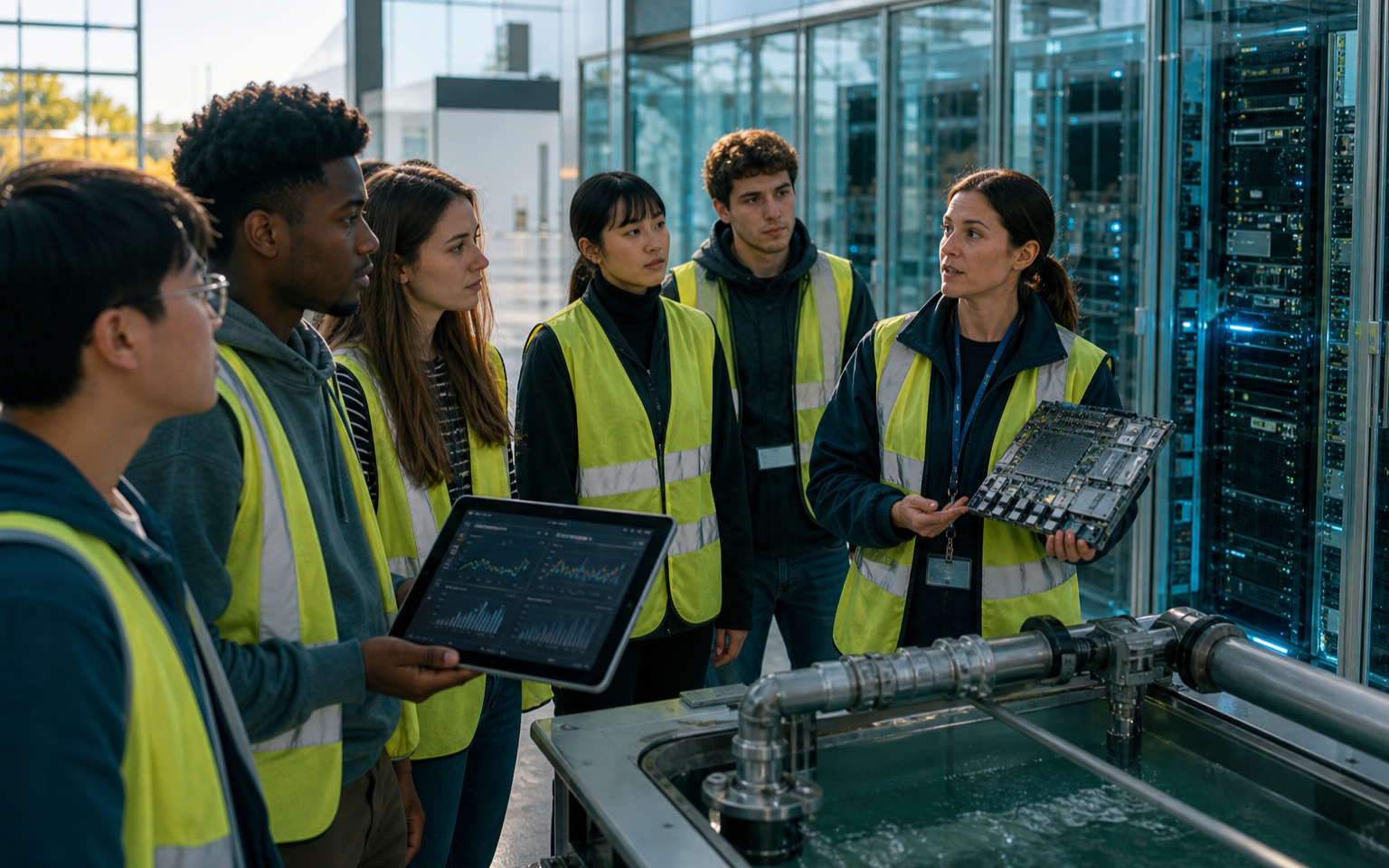
Other indicators describe water and materials. Microsoft reports replenishing more than 14 million cubic metres of water, for the first time exceeding its global withdrawal volume. It nevertheless states that a global balance is insufficient and that future work must focus more closely on watersheds where operations occur. The company also reports that single-use plastics remaining in primary product packaging fell to 0.07%, that 92% of decommissioned servers and components were reused or recycled for a second consecutive year, that 90.5% of construction and demolition waste was diverted, and that Circular Centers expanded to seven facilities.
These are company-reported environmental figures, not an independent measure of the educational value or local footprint of AI. Annual renewable matching does not mean that every data centre receives carbon-free electricity in every hour. A global water-replenishment total can conceal stress in particular watersheds or seasons. The report's avoided-emissions illustration covers four selected interventions and is described as directional, incomplete and non-additive. It should not be treated as a comprehensive counterfactual showing what Microsoft's total emissions would otherwise have been.
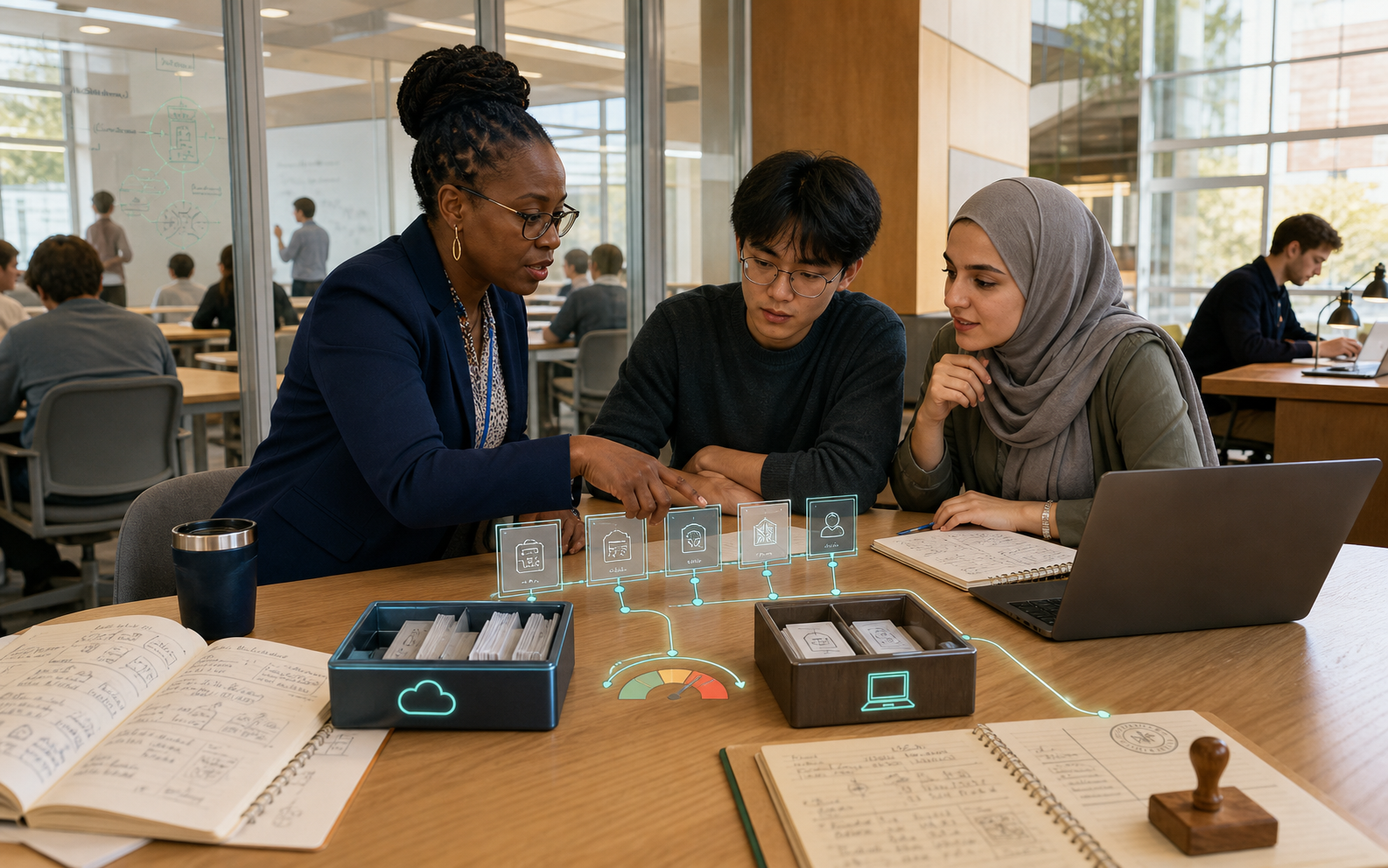
For Hong Kong schools and universities, the report offers a practical procurement agenda. Buyers can ask which data-centre region serves an educational workload, what electricity and water conditions apply there, how emissions are allocated across services, and whether hardware recovery figures cover the equipment supporting their use. Institutions can compare providers on consistent definitions rather than accepting a single global headline. They can also include the environmental cost of cloud inference in AI literacy, helping learners connect digital activity with physical infrastructure without asking individual students to carry responsibility for system-level decisions.
The product-news significance is the tension documented in the same release: measurable water and circularity progress coexists with rapidly rising emissions during AI expansion. A responsible education pilot should therefore report learning benefit and resource demand separately, set thresholds before scaling, and revisit them when models or hosting regions change. The report does not establish that one vendor is environmentally preferable, but it supplies questions that education leaders can make routine: what is consumed, where impacts occur, which figures are independently assured, and whether the educational gain justifies the infrastructure used.