Teacher case: A Malaysian lecturer uses oral defence to assess students' judgment in Gemini-assisted coding
AI Product and Learning Report
500-शब्द सार
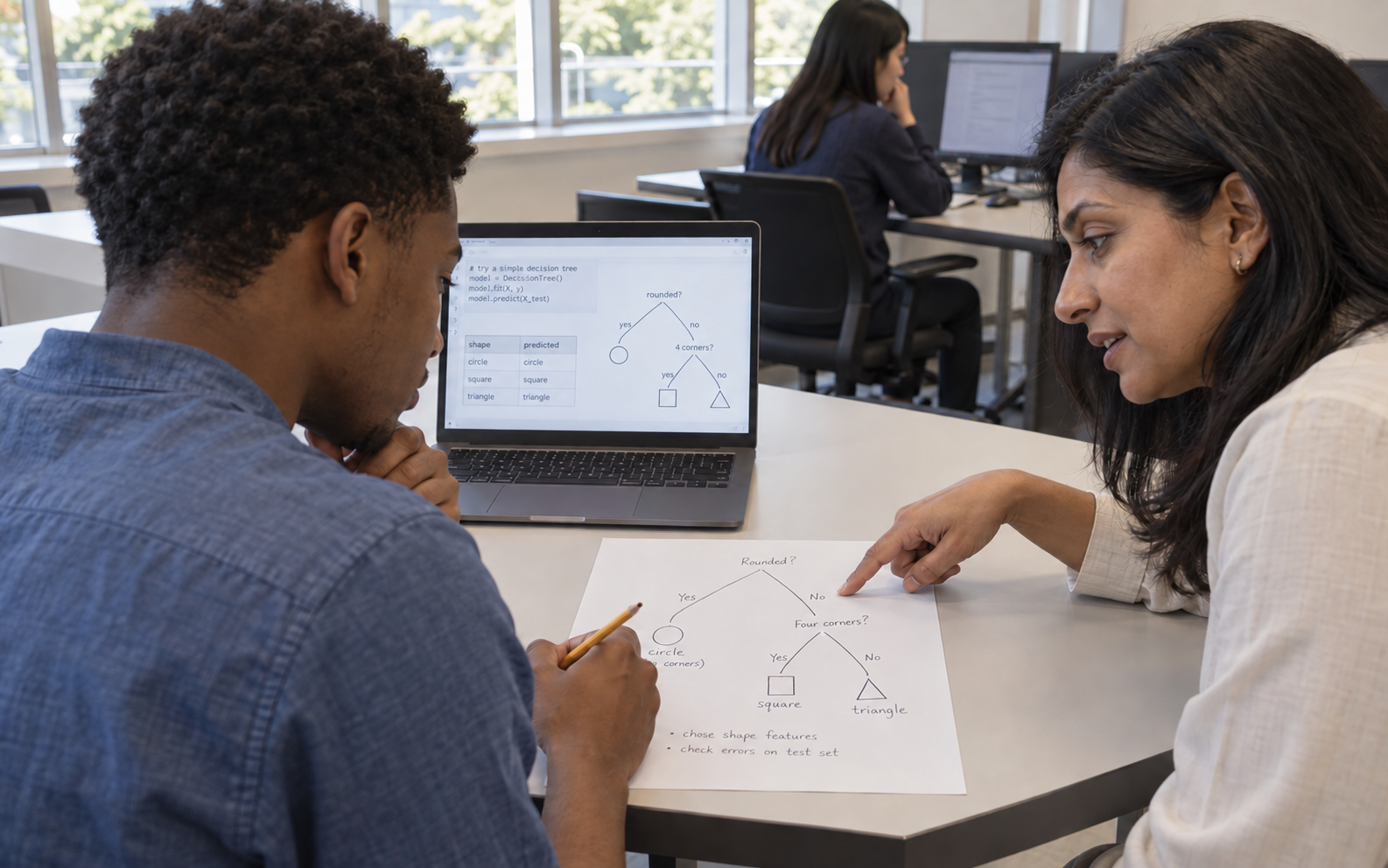
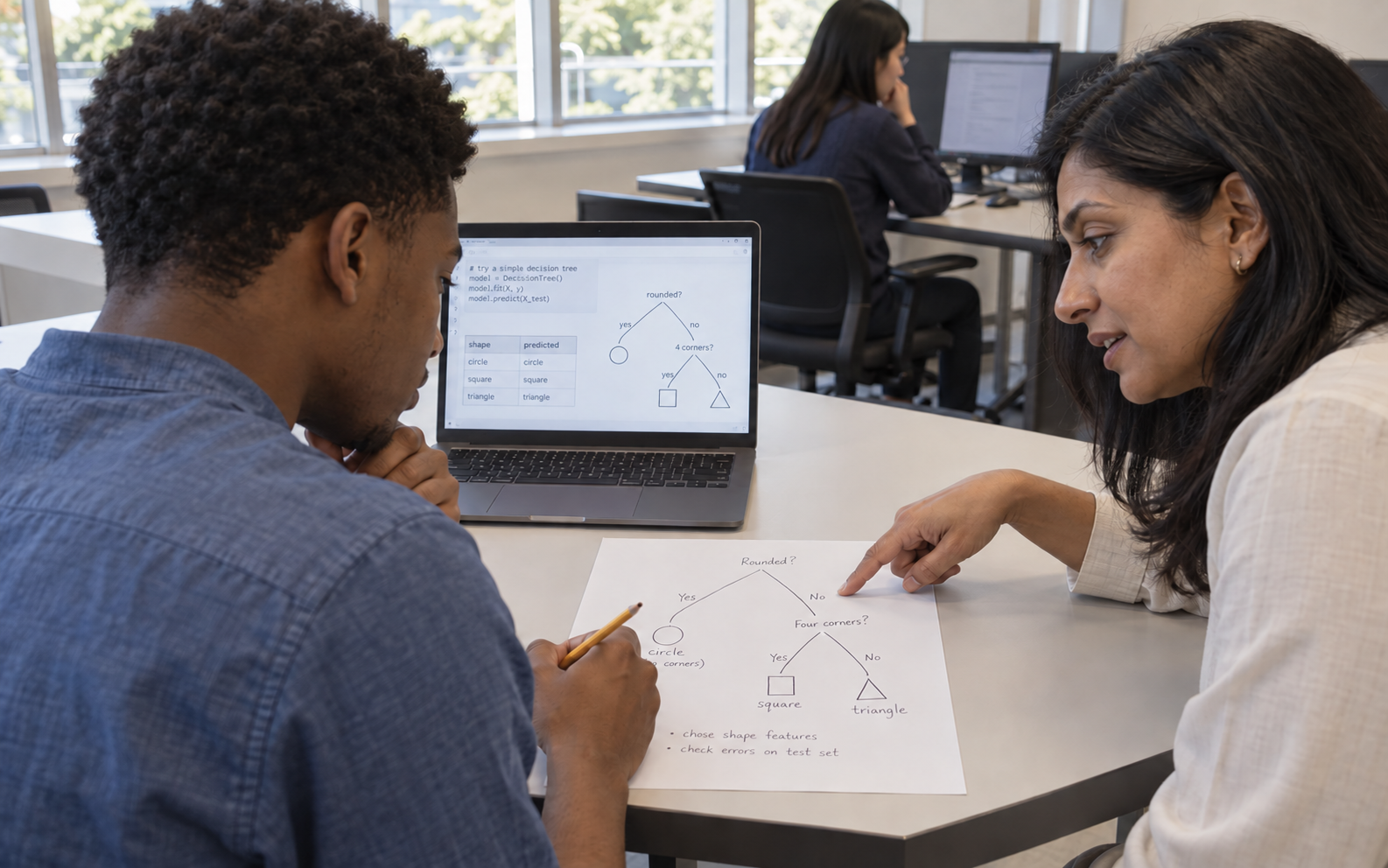
Nurfadhlina Mohd Sharef of Universiti Putra Malaysia described a change to assessment in an October 5, 2026 Google-published account. Her data-mining students use Gemini in Google Colab, while verbal interviews ask them to defend choices, troubleshoot, and identify questionable AI suggestions. This October 13 report examines that design. The short practitioner account does not provide a comparative study of attainment or establish that oral assessment is suitable in the same form for every learner.
The central problem is recognisable: a working model does not reveal all the reasoning that produced it. A student may have made careful decisions, accepted the first generated answer, or relied on a mixture of both. Asking for an explanation can make those differences more visible. The interview should focus on the decisions the course intends to assess, rather than become an unpredictable test of confidence or speaking style.
A lecturer could ask why a particular variable was included, what an error message means, or how a result would change under a different assumption. The question should connect to the student's actual work. A useful answer may include uncertainty and a proposal for checking it. Students should not be rewarded merely for producing a confident defence of a weak choice.
The method also needs clear expectations. Learners can be told which kinds of reasoning they should be prepared to explain and what assistance is permitted during preparation. Relevant access needs and language demands should be considered when choosing the format. An alternative way to demonstrate the same understanding may be appropriate. The goal is valid evidence of judgment, not a single performance style imposed on everyone.
OpenAI's recent Devin case separates a software demonstration from the scope of completed tests. Anthropic's redesigned projects coordinate several strands of AI work. Compared with these developments, the Gemini classroom account shifts attention to the human accepting and explaining the result. More capable coding assistance makes that distinction important: successful execution and a student's understanding are different claims with different evidence.
A balanced assessment could combine the code, a small record of consequential decisions, and a focused follow-up conversation. Students might identify one AI suggestion they rejected and explain why, then adapt a part of the analysis to a new example. Reviewers can examine whether the explanation matches the implementation. A second assessor could review a sample of responses to check whether the criteria are being applied consistently. This also gives feedback that can guide the student's next attempt, rather than only produce a score.
The account offers a concrete idea for redesigning assessment as AI-assisted work becomes ordinary. Its value lies in making students' reasoning discussable, while leaving room to examine fairness, workload, and consistency across assessors. A useful local trial would document the questions asked, the criteria applied, and the difficulties encountered. The aim is an assessment in which learners can show what they know, how they check assistance, and where their own judgment changes the work.