Industry news: Google and TED launch an educator idea search, putting teacher accounts of technology in the spotlight
AI Product and Learning Report
Résumé de 500 mots
Google announced a partnership with TED on October 5, 2026 to seek ideas from educators innovating with technology. Its World Teachers' Day collection also presents teachers' accounts of classroom practice, including uses of Gemini. Selected ideas may have an opportunity to reach the TED stage. The announcement is an invitation to share and develop ideas; it does not report a completed selection process or establish the effectiveness of the featured practices.
Teacher voice matters because a product description cannot fully capture the conditions of a classroom. Teachers encounter varied prior knowledge, language needs, time constraints, and unexpected responses. Their accounts can show how a tool was adapted to a purpose and where it failed to fit. They can also reveal useful questions that a general benchmark would never ask.
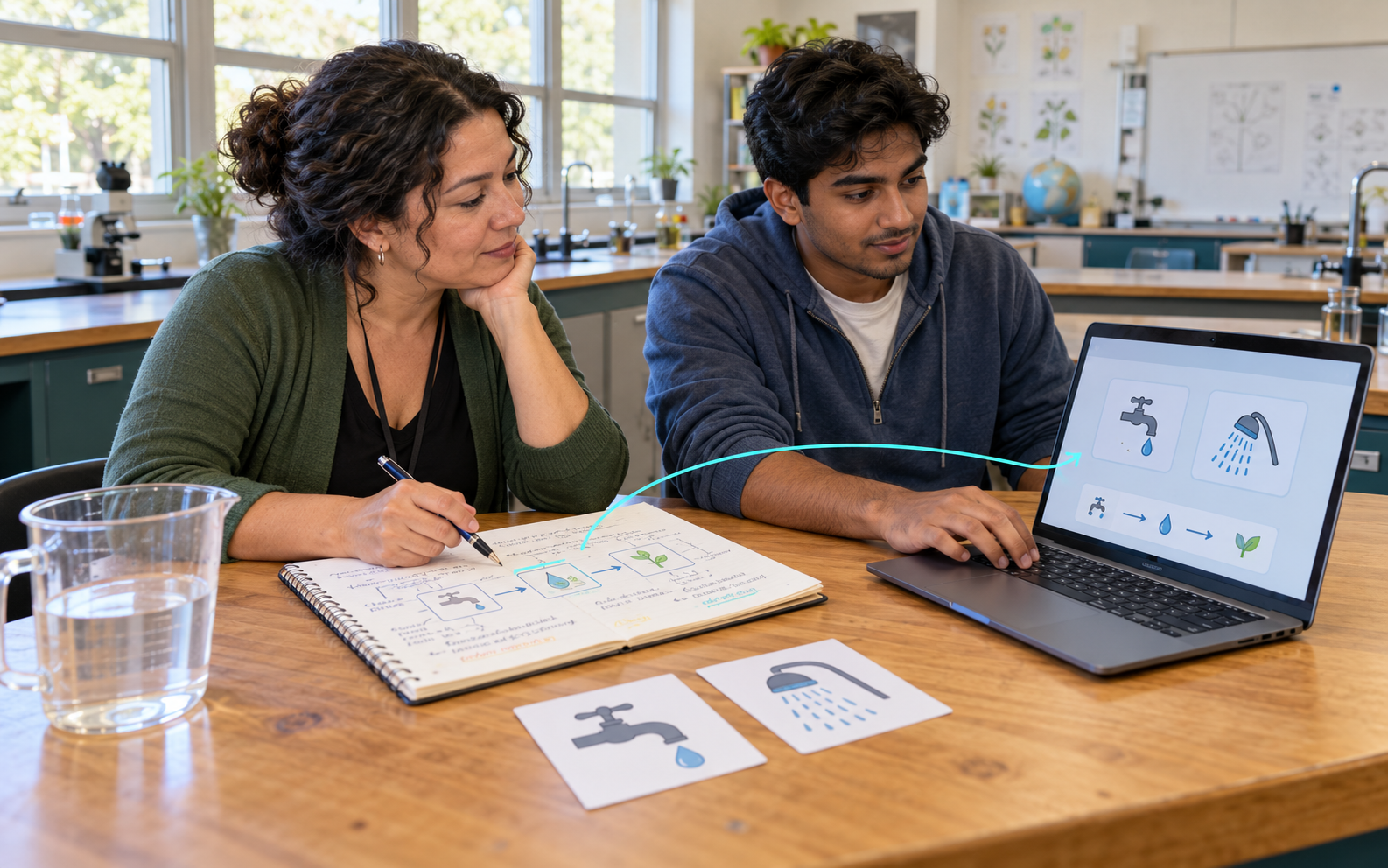
A strong professional story should make those conditions visible. What was the teacher trying to help students do? What material or interaction changed? What did the teacher observe, and what alternative explanation remains possible? These questions do not diminish the story. They help colleagues decide whether the idea is relevant to their own setting and what they would need to test before adapting it. A colleague should be able to distinguish what was actually observed from what the teacher hopes a future version of the activity might achieve.
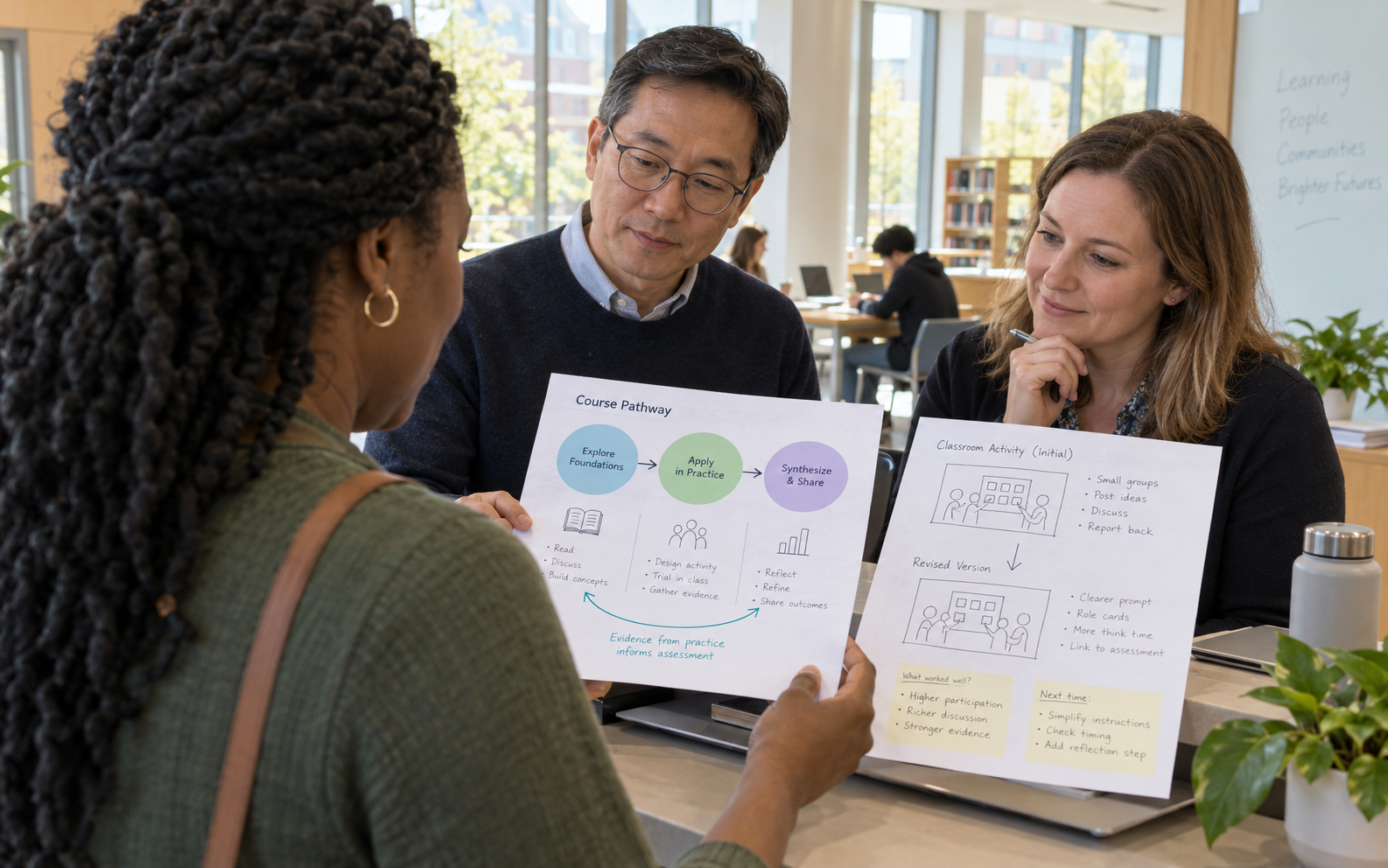
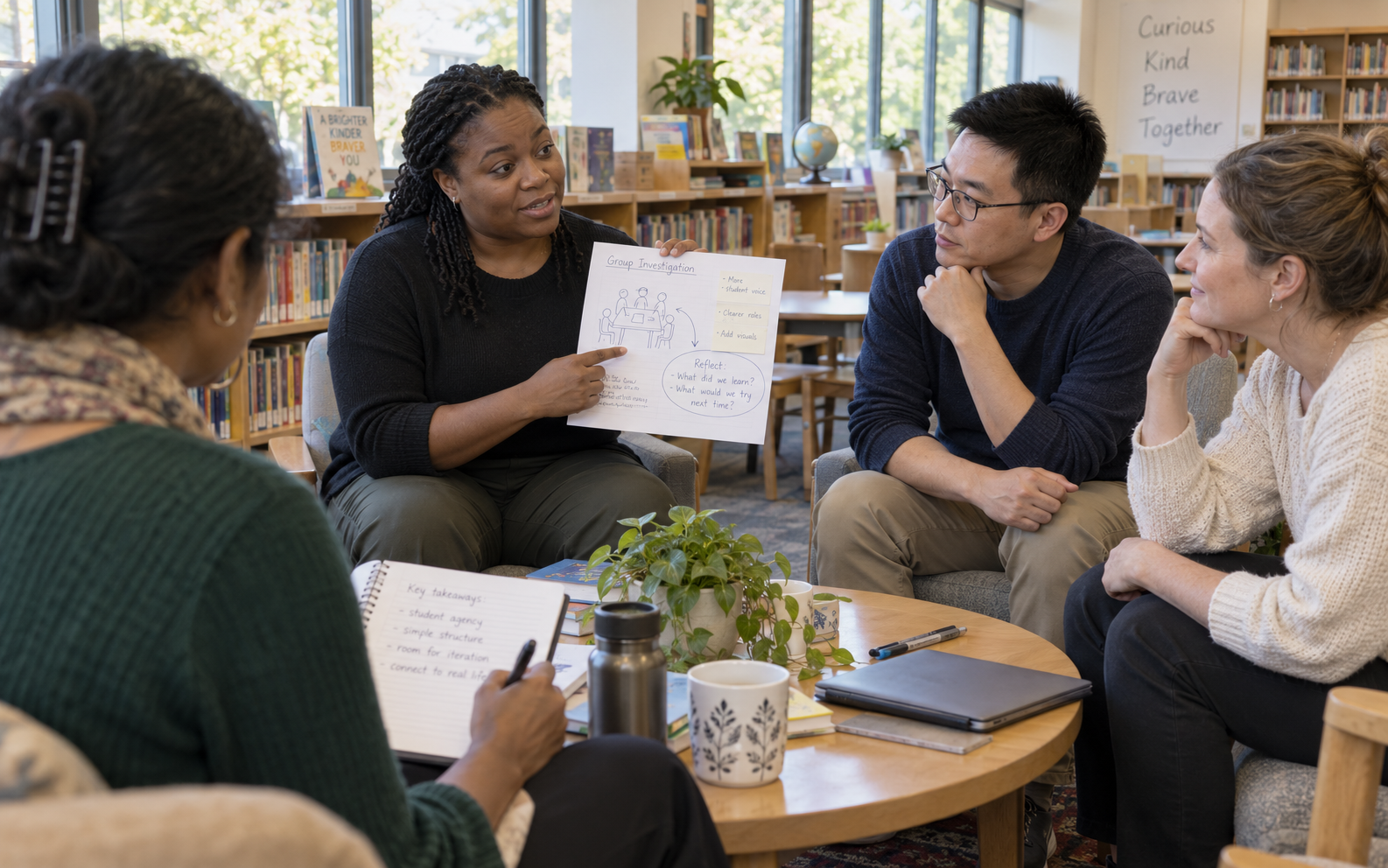
A school could invite teachers to share one small artifact alongside an account of practice. It might be a revised prompt, a student task, or two versions of an explanation. Colleagues could examine the learning objective and suggest what evidence would show that the change helped. The discussion can include a failed attempt or a decision to stop using a feature. Such accounts are valuable even when they do not make a dramatic presentation.
OpenAI's recent Academy expansion includes a pathway for educators to review AI outputs against teaching objectives. Anthropic's Claude Academy approach emphasises deliberate delegation and continued human practice. Alongside Google's initiative, these resources show several ways of supporting teacher participation. The important distinction is between learning a provider's examples and contributing an informed account of one's own classroom decisions.
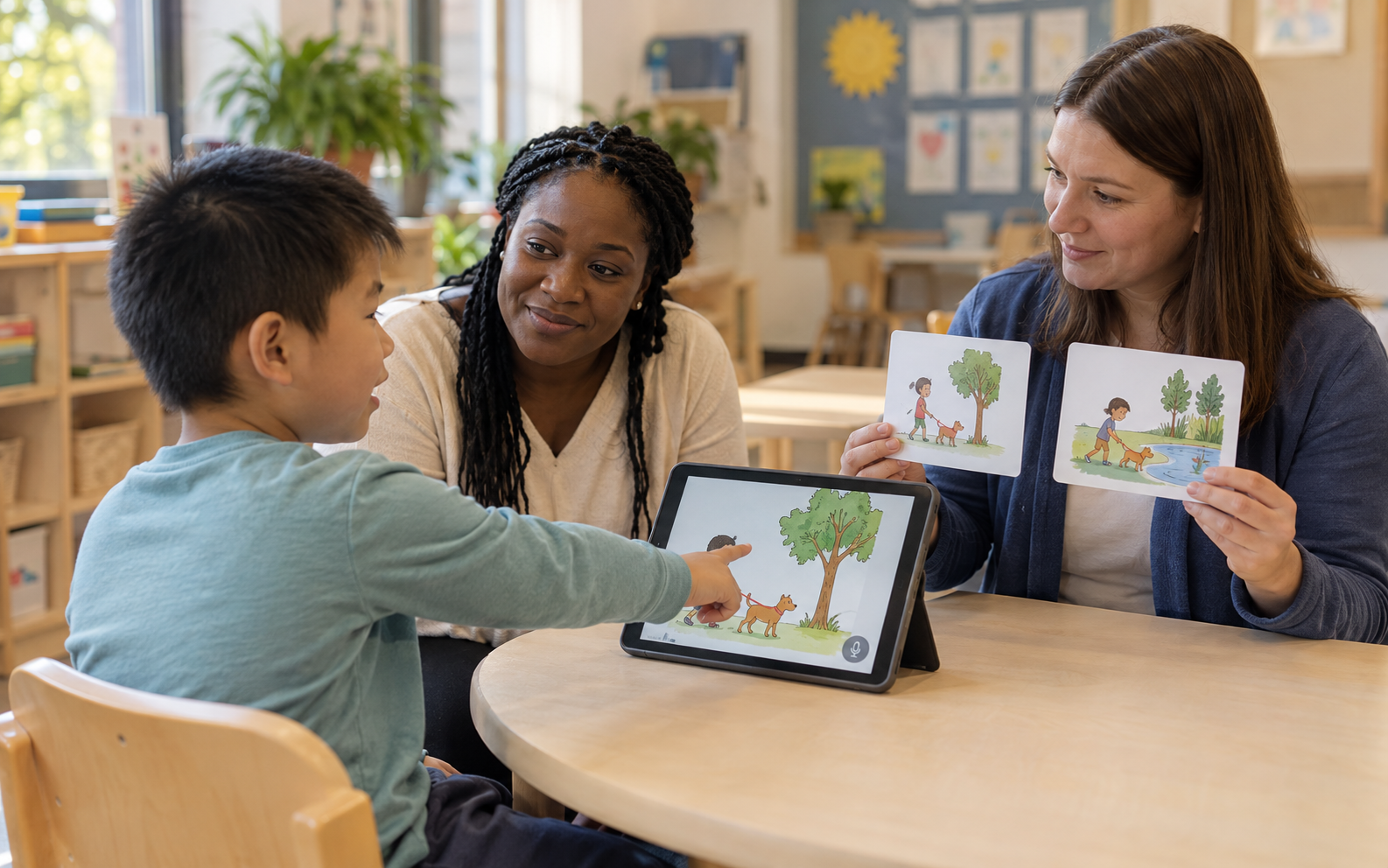
Students' perspectives should also inform the account where appropriate. A resource that feels efficient to a teacher may still confuse a learner, while a slower activity may provoke useful discussion. Teachers can gather selected work or brief feedback without presenting a single positive reaction as proof of impact. The aim is to make practice open to examination while respecting the people whose learning is being discussed.
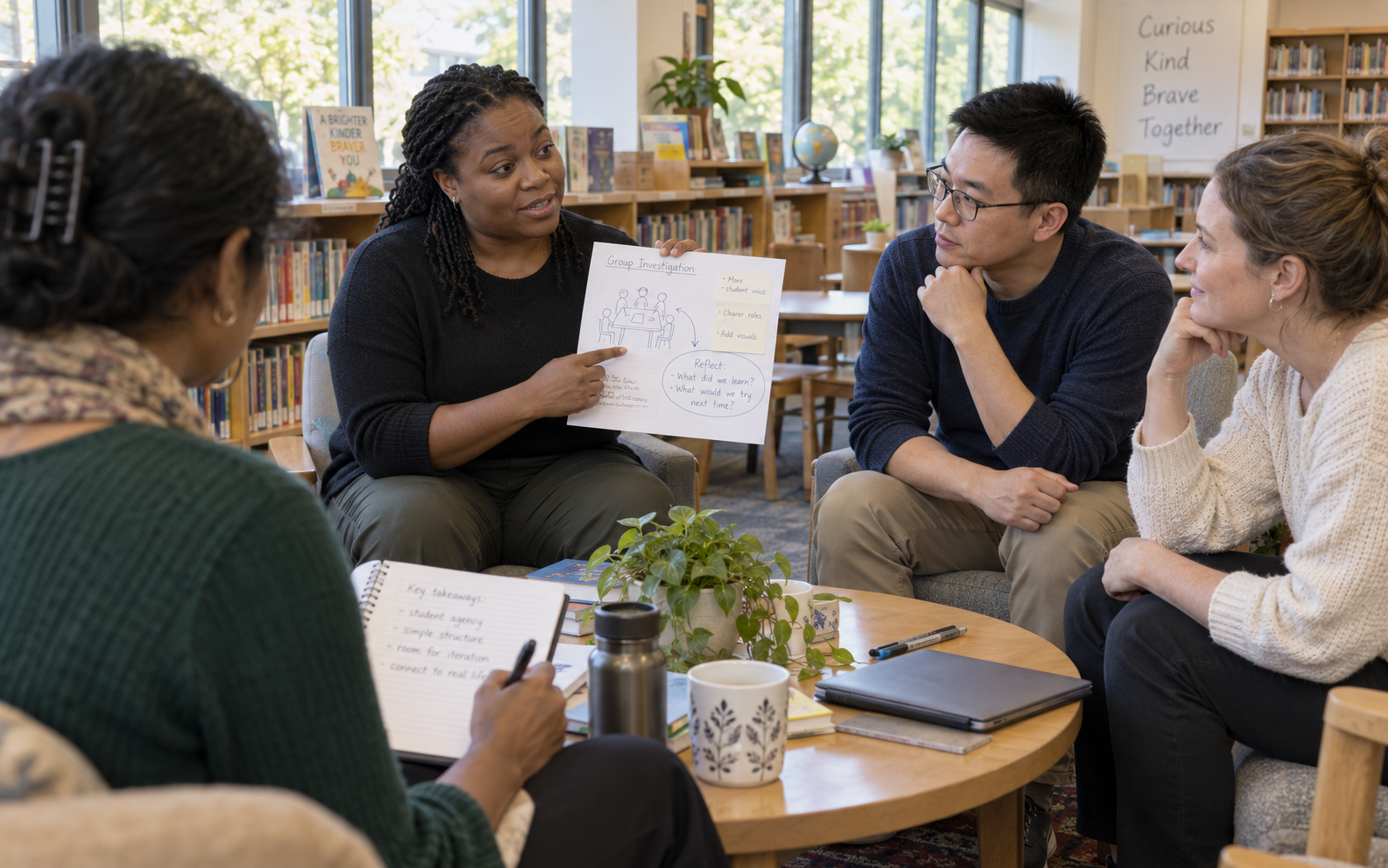
For educational communities, the idea search is a timely invitation to articulate what technology is for. A persuasive contribution can connect an instructional problem, a concrete design choice, and an honest statement of what remains unknown. Google and TED offer a platform for those voices. Schools can strengthen the substance behind the stories by supporting collaborative inquiry, preserving examples, and treating revision as part of professional expertise rather than a weakness to hide.