Product news: Claude Tag adds personal connectors in channels, separating source access from the audience for a reply
Anthropic
AI Product and Learning Report
Résumé de 500 mots
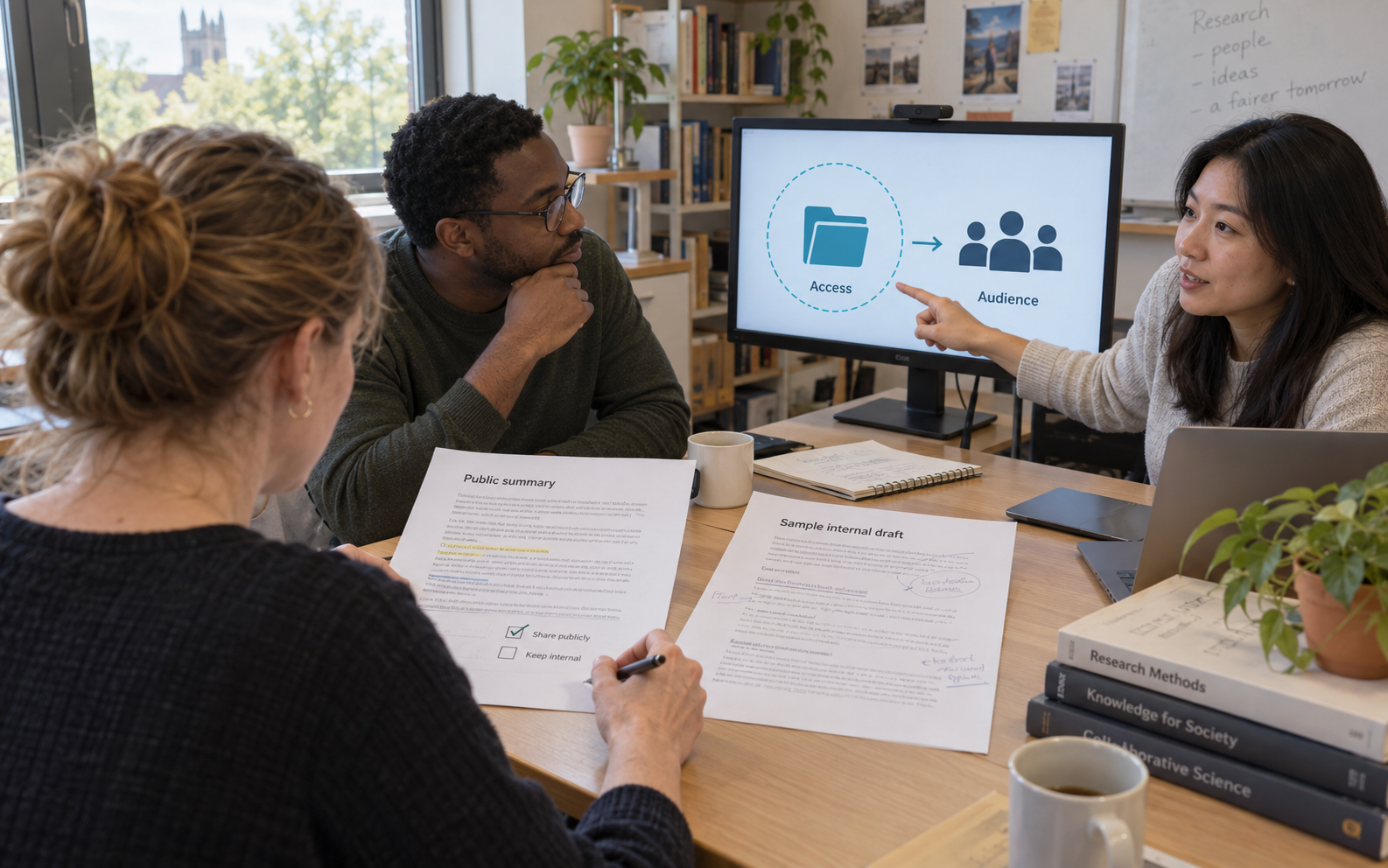
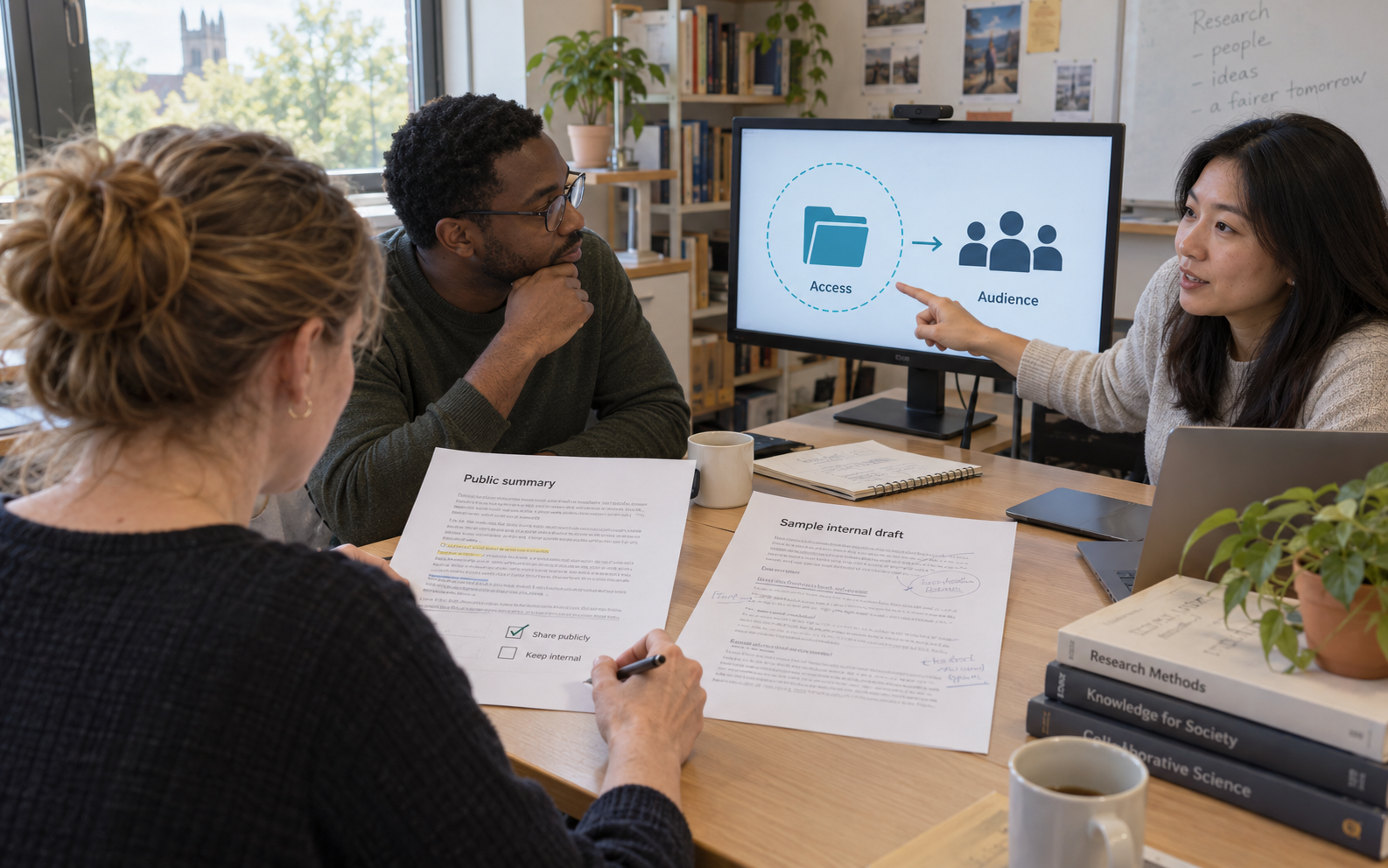
Anthropic announced personal connectors for Claude Tag on September 24, 2026. A person can ask Claude in a Slack channel to use information available through their own connected accounts, alongside the channel's shared tools. The rollout begins on Team plans, with Enterprise to follow. Users can review responses before posting, and Anthropic notes that anything posted is visible to the channel. The update therefore changes both access to information and the responsibility for presenting it.
An educational team can encounter this distinction during ordinary collaboration. A researcher may have access to a draft that colleagues have not yet seen. A teacher may hold notes that are appropriate for private preparation but not for a whole department. Asking an assistant to consult that material does not automatically make every detail suitable for the audience receiving the answer. The source permission and the communication decision need separate attention.
A proposed training exercise could use fictional documents with different audiences. One might be a public course outline, another an internal planning note, and a third a draft that contains an unconfirmed decision. Participants would decide what a channel summary should include and which points require clarification. They could compare their decisions with an assistant's draft before anything is posted. This keeps the focus on purposeful communication rather than on the mechanics of a connector.
Review should include context as well as sensitive details. A sentence can be harmless in isolation but misleading when removed from the document's qualifications or date. A summary might present an idea as an agreed plan or omit the person responsible for checking it. Educational teams can ask whether the reply preserves the status of each statement, especially when it combines information from several sources with different owners.
OpenAI's Admin plugin exposes supported workspace actions under existing permissions. Gemini in Classroom uses selected course and assignment material to inform study prompts. Compared with these approaches, Claude Tag brings individually accessible context into a shared conversation. The products solve different problems, and none removes the need to decide who should see the resulting information. Convenient retrieval and appropriate sharing are related but distinct capabilities.
The announcement also distinguishes personal requests from unattended work: scheduled routines use the channel's administrator-provided connectors. That difference matters when a team turns a useful one-off comparison into a recurring process. The information available to the routine may not match what a person supplied during the original conversation. A team should check the actual inputs and audience again rather than assume that the first successful result will repeat unchanged.
For a research group or teaching department, the update can support more contextual collaboration if people understand these boundaries. A useful practice is to identify the source, the intended audience, and the status of the claim before accepting a shared response. Colleagues should be able to correct a misleading summary and return to the relevant original. The learning opportunity is to make information stewardship visible within everyday teamwork, not merely to connect more accounts.