Social Learning and Modeling
How observation becomes learning through attention, retention, practice, and motivation, and how teachers can model thinking without encouraging passive imitation.
Sources
Résumé complet
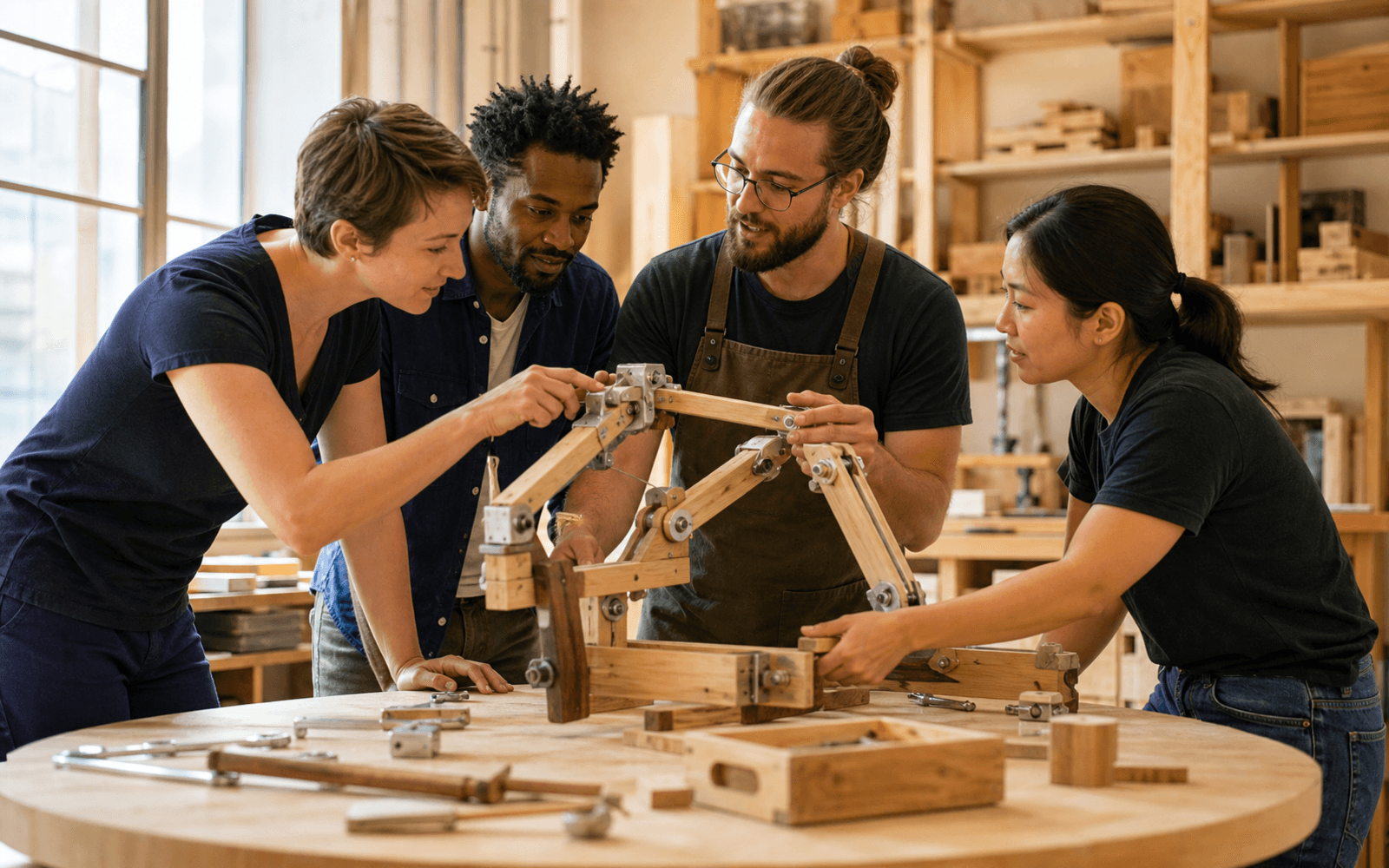
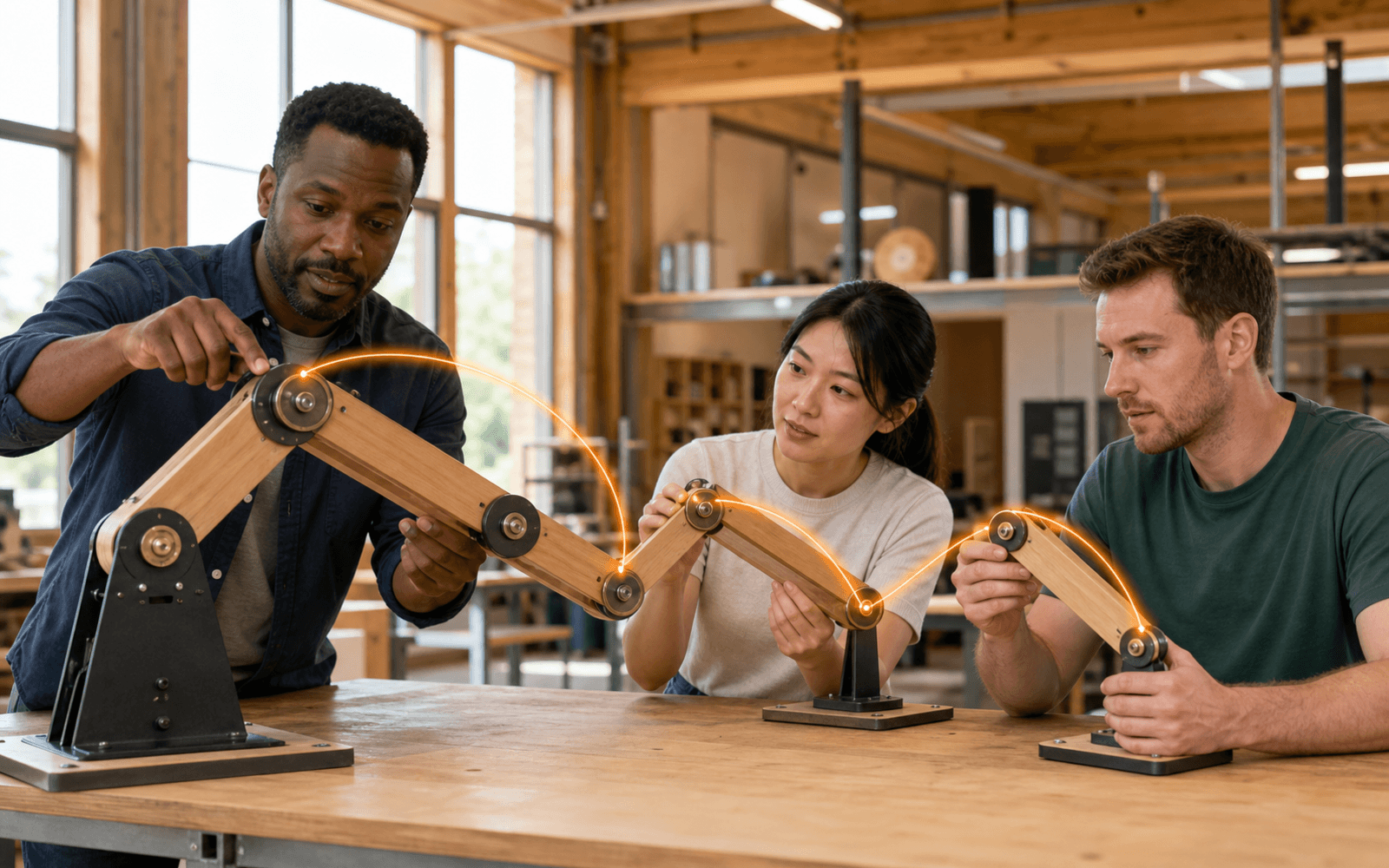
Social learning and modeling explain how people can acquire knowledge, strategies, attitudes, and behavior by observing other people and the consequences of their actions. Observation can occur through a live demonstration, a peer, a recorded example, or another symbolic model. It is more than copying visible movements. Learners notice selected features, organize what they observed, anticipate possible results, and decide whether and how to act. Bandura's experiments also distinguished acquisition from performance: a learner may have learned a modeled response without displaying it until incentives, confidence, or circumstances change.
Four connected processes help explain effective modeling. Attention determines what the learner notices, so a demonstration needs a clear goal, visible critical features, and limited distraction. Retention preserves the observed pattern through mental images, language, diagrams, or rehearsal. Production turns a representation into action and improves through practice, feedback, and correction. Motivation influences whether the learner performs what was learned, based partly on expected outcomes and observed consequences. These processes interact. Watching an expert complete a complex task once may create admiration without giving a novice enough structure to remember or reproduce the method.
Social cognitive theory later emphasized reciprocal influence among personal factors, behavior, and environment. Learners are not passive recipients of models. Their prior knowledge, goals, emotions, and sense of efficacy shape what they attend to and attempt. Their actions also change the social environment by inviting feedback, help, or collaboration. A model can support agency when it reveals choices and self-correction, not merely a polished final performance. Seeing a similar peer succeed through effort and useful strategies may strengthen confidence, but credibility and relevance matter more than superficial similarity alone.
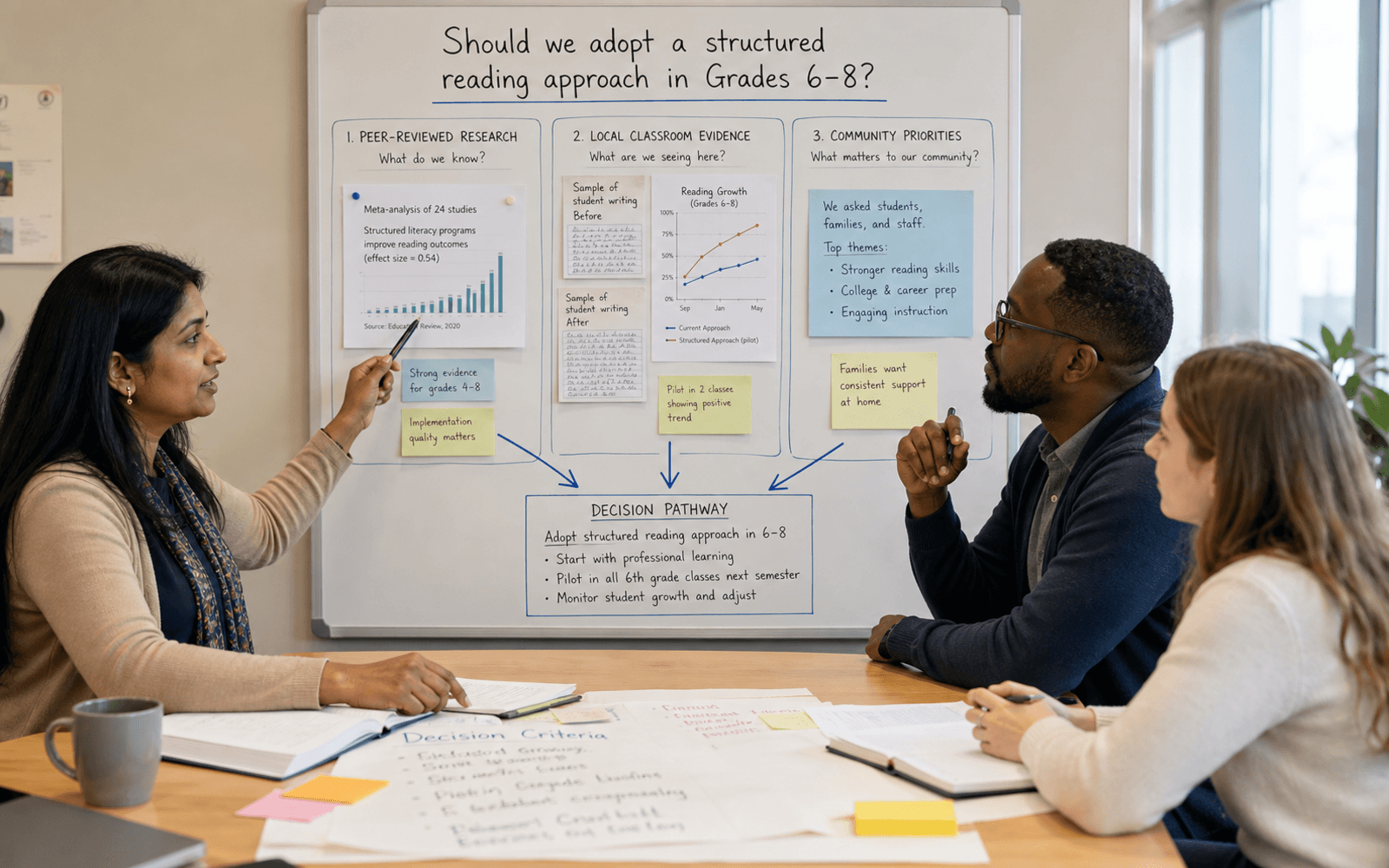
For teaching, model the thinking as well as the action. A teacher solving a problem can name the goal, inspect evidence, try a strategy, notice an error, revise, and explain why the revision works. Learners can then rehearse a manageable part, compare their attempt with criteria, receive feedback, and gradually perform independently. Peer models can make varied strategies visible, especially when students discuss why approaches differ. Contrasting an effective example with a plausible mistake often reveals decision points that a flawless demonstration hides. Assessment should examine what learners can now explain or do, not assume that attentive watching produced mastery.
Models also transmit harmful routines, stereotypes, overconfidence, and unequal expectations. Classrooms should not present one person, accent, culture, body, or communication style as the only image of competence. Digital creators and AI-generated demonstrations can appear authoritative while hiding errors or unrealistic performance. Teachers should select diverse credible models, verify the modeled process, make values and consequences discussable, and invite learners to question what deserves imitation. The goal is thoughtful participation: learners use observation to expand their repertoire, test actions in context, and eventually regulate their own practice rather than depend permanently on a model.