Inquiry-Based Learning
How learners investigate answerable questions, gather and interpret evidence, construct explanations, communicate claims, and reflect with guidance matched to their knowledge and task.
Sources
Résumé complet
Inquiry-based learning organizes learning around questions, investigation, evidence, explanation, and reflection. Learners do more than receive a finished account. They identify or refine a question, decide what evidence could address it, collect or examine information, interpret patterns, and communicate a defensible conclusion. Inquiry is not defined by physical activity alone. Following a recipe without making decisions may be hands-on but not strongly inquiry based, while analyzing a historical archive or digital dataset can involve substantial inquiry. It is also not the same as leaving novices to discover everything without support.
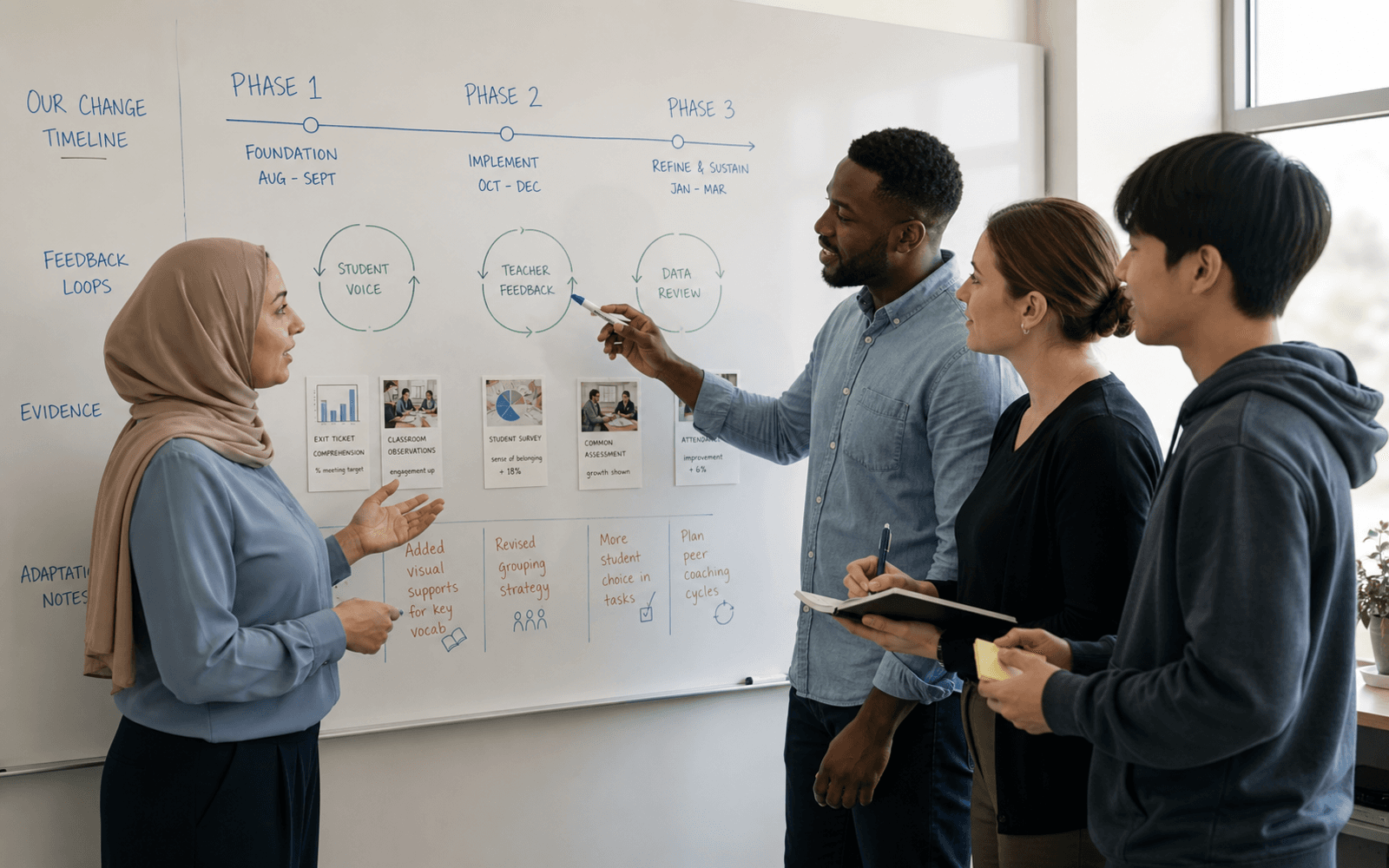
Inquiry often moves through connected phases. Orientation builds interest and establishes the problem. Conceptualization develops questions or hypotheses. Investigation includes exploration, experimentation, observation, or data interpretation. Conclusion connects evidence with the question, while discussion includes communication and reflection. These phases form a flexible cycle rather than a rigid sequence. New evidence may send learners back to revise a question, improve a method, or reconsider an explanation. Communication and reflection can occur throughout as learners make reasoning visible and compare interpretations.
The amount and type of guidance should match learners, content, and purpose. Teachers may provide the initial question, model how to control variables, offer a data table, prompt comparison, or set checkpoints for explanation. As knowledge and skill grow, learners can make more decisions about questions, methods, representations, and standards of evidence. Research syntheses generally find benefits from inquiry-oriented instruction, but they also show that guidance matters. Support can reduce unproductive search, make disciplinary reasoning visible, and preserve attention for interpreting evidence. Guidance should enable thinking rather than replace it.
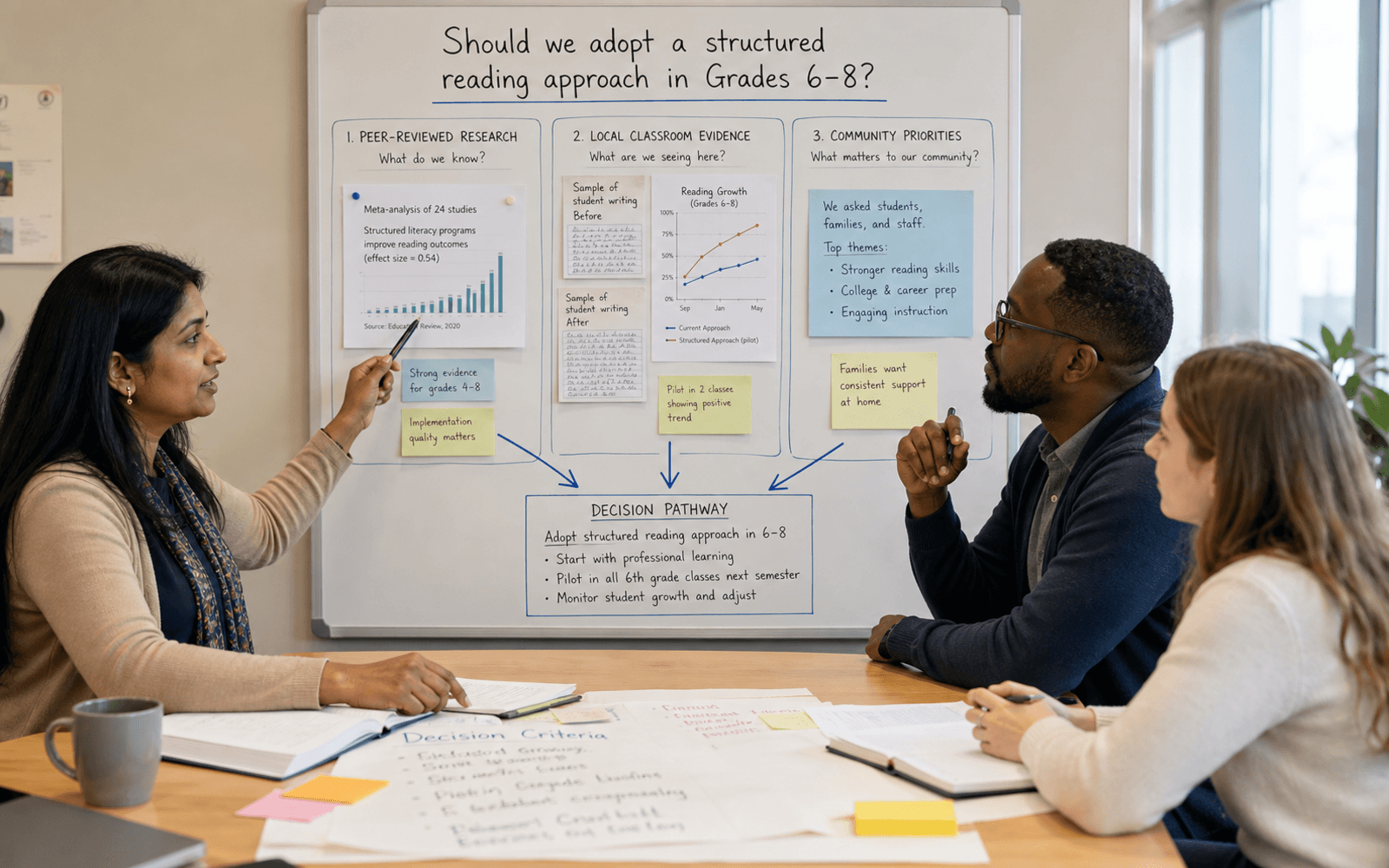
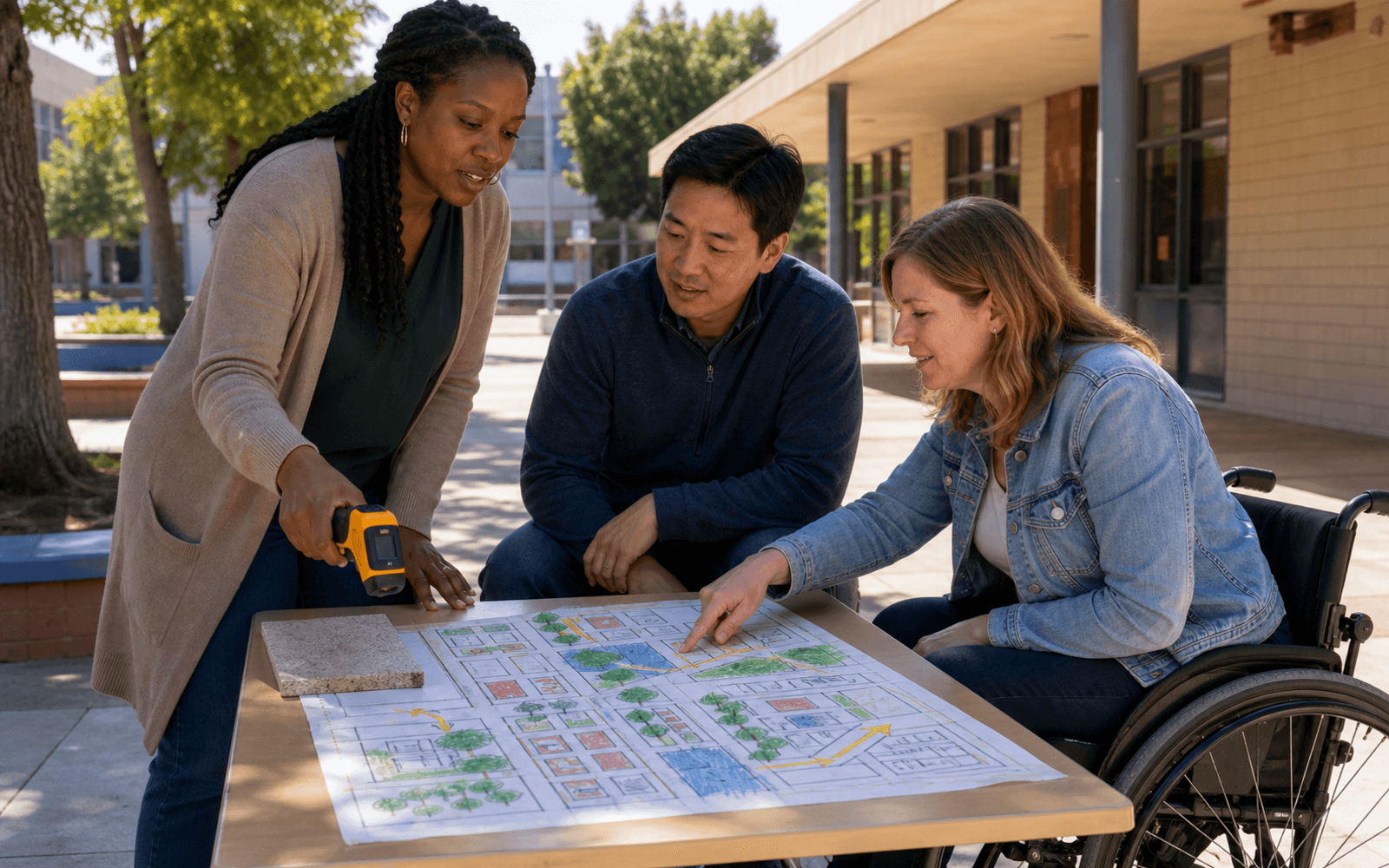
A well-designed inquiry needs an answerable question, access to relevant evidence, and criteria for judging a claim. Learners may need prior knowledge before they can notice a meaningful pattern or design a fair comparison. Teachers should anticipate measurement error, alternative explanations, safety, accessibility, language demands, and unequal access to tools or participation. Group work can expand ideas, yet one confident participant can dominate decisions unless roles and discussion routines distribute responsibility. Assessment should examine the process as well as the final answer, including question quality, method, evidence use, revision, and reflection.
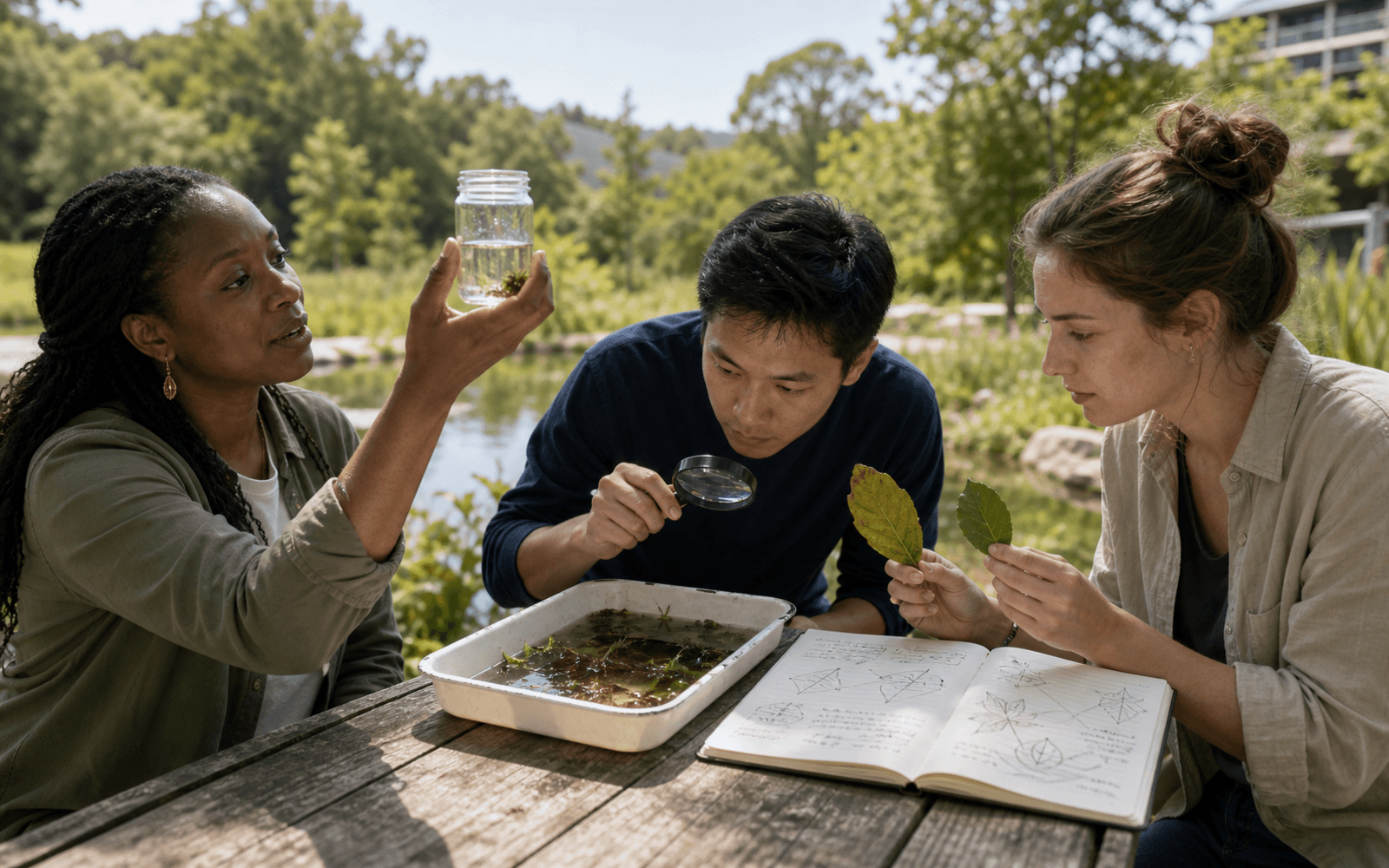
In education, a class might investigate why two pond-water samples look different. Learners record observations, propose testable explanations, choose a small set of comparisons, and document uncertainty. The teacher provides safe tools and checkpoints, asks what evidence would count against each claim, and introduces needed domain knowledge at the moment it becomes useful. Groups represent findings, critique one another's reasoning, revise conclusions, and identify the next question. AI may help suggest questions or organize observations, but learners must verify outputs, protect data, and retain ownership of the investigation. Inquiry-based learning develops disciplined curiosity when freedom to investigate is joined with purposeful guidance and accountable use of evidence.