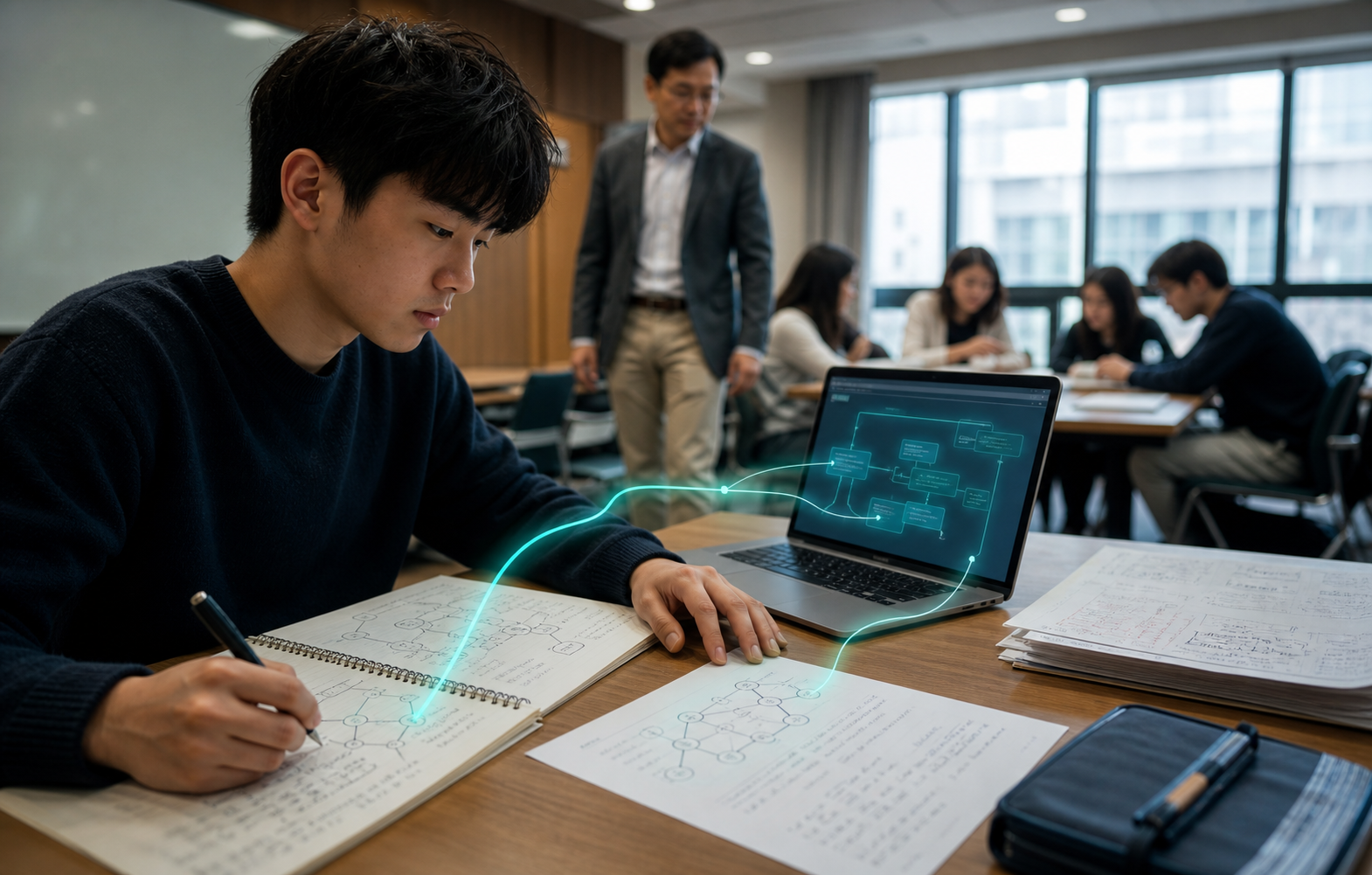
← Volver a noticias de investigación

#Generative AI

Generative AI

16 artículos

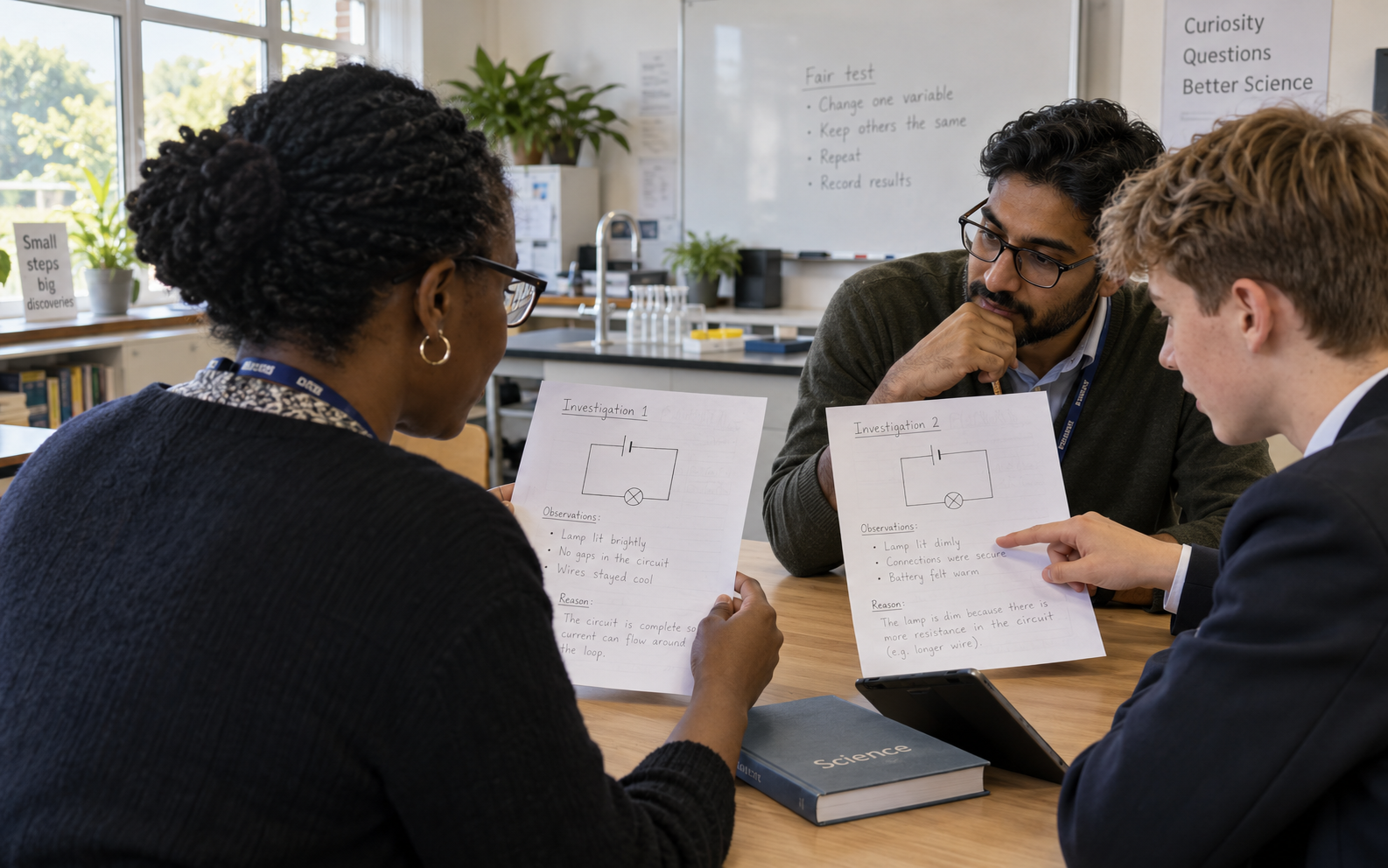
Two educators and a learner compare circuit experiment sketches and written observations in a science classroom.
Artículo de revista2026
Artículo de revista 198

Evidence of impact and interpretational limits of generative AI in STEM education: A systematic review and meta-analysis on cognitive learning outcomes

Chiara Boolzen, Jochen Kuhn, Salome Flegr, Eva-Maria Rott, Niklas Stausberg, Stefan Küchemann

Artificial Intelligence Review

A STEM-focused review shows why a positive average effect can be a fragile guide to classroom decisions. Across 49 studies, the conventional pooled estimate favored generative AI, but a publication-bias adjustment moved the average close to zero with substantial uncertainty. Effects still varied widely across contexts. The result calls for better comparisons and clearer descriptions of what students actually do, rather than treating every AI-supported activity as the same intervention.

STEM EducationResearch MethodsGenerative AI
Leer resumen de 500 palabras →

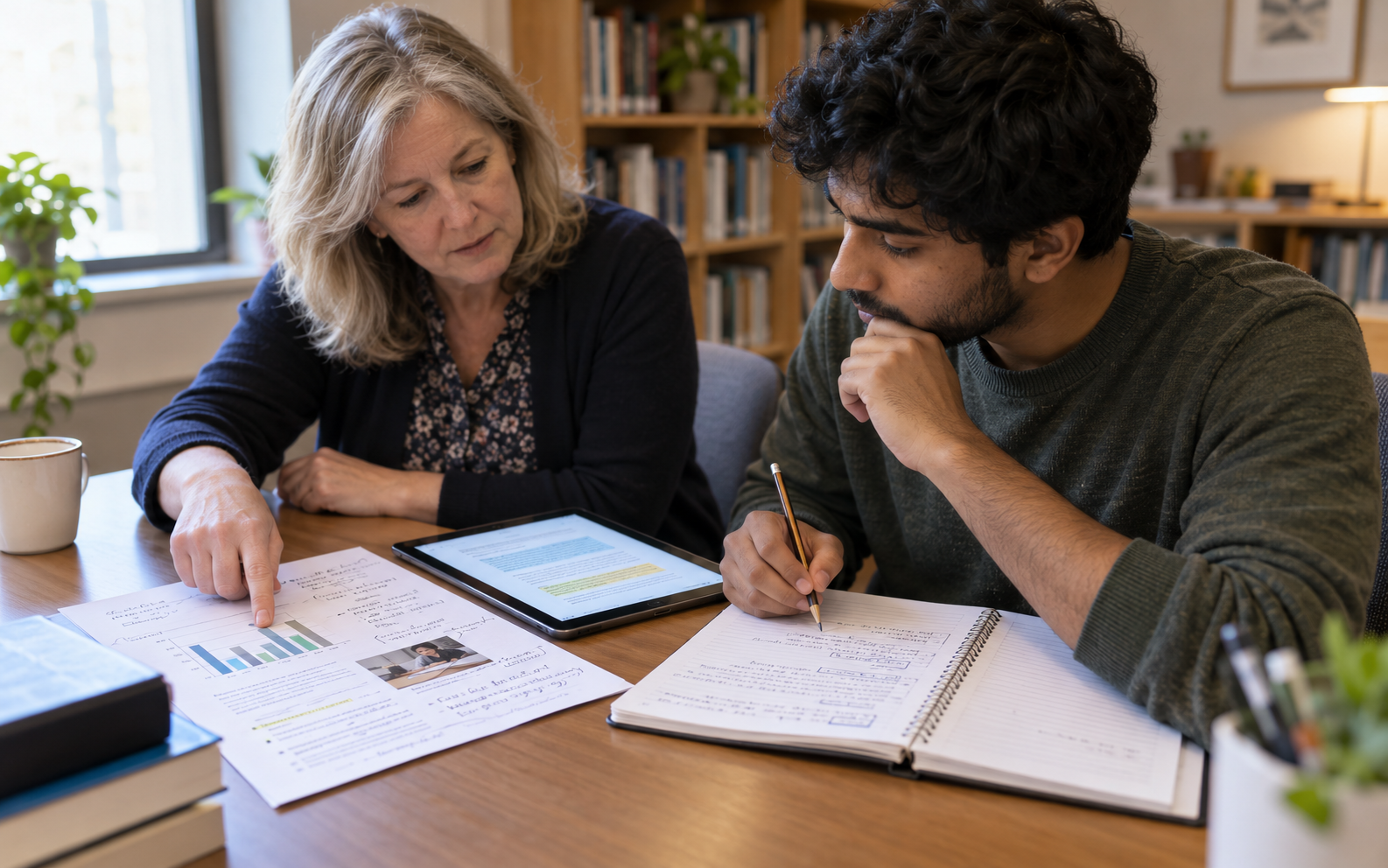
A language learner annotates her essay while a classmate and instructor discuss a claim-reason-example paragraph map.
Artículo de revista2025
Artículo de revista 196

Interacting with ChatGPT in essay writing: A study of L2 learners’ task motivation

Javad Zare, Ahmad Al-Issa, Fatemeh Ranjbaran Madiseh

ReCALL

ChatGPT-supported essay activities increased immediate task motivation in a small study of university English learners. The comparison with peer-supported writing was significant just after instruction, but not at the one-month follow-up. The study measured motivation rather than improvement in writing competence. Its results suggest a possible short-term engagement benefit while showing why a lasting within-group increase should not be described as a lasting advantage over another teaching approach.

Language LearningWriting EducationLearner Motivation
Leer resumen de 500 palabras →
A teacher trainee writes a diagnostic justification while a tutor points to the evidence in a pupil case sheet beside a tablet displaying feedback
Artículo de revista2025
Artículo de revista 184

Adaptive AI feedback improved teachers-in-training’s written justifications, without improving decision accuracy

Annette Kinder, Fiona J. Briese, Marius Jacobs, Niclas Dern, Niels Glodny, Simon Jacobs, Samuel Leßmann

Computers and Education: Artificial Intelligence

In a randomized study of 269 German teachers-in-training, adaptive GPT-4 feedback produced a small improvement in the justification of a subsequent diagnostic decision compared with a standard expert response. It also led to longer answers and more favorable feedback ratings, but decision accuracy did not improve. The result supports examining different components of professional reasoning separately and does not establish that AI outperforms personalized feedback from a human teacher.

adaptive feedbackteacher educationdiagnostic reasoning
Leer resumen de 500 palabras →
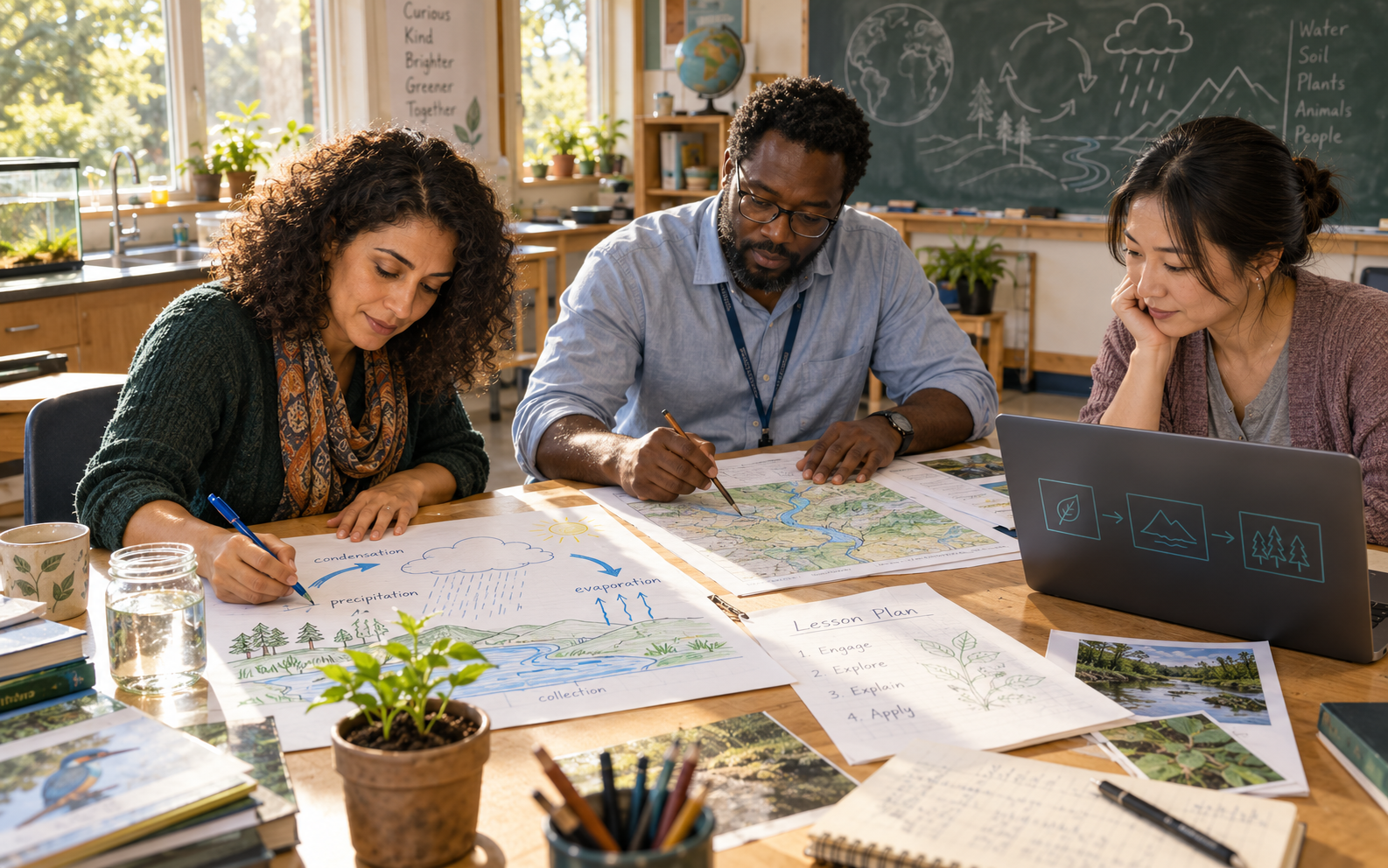
Three teachers revise an environmental science lesson using a water-cycle diagram, a river catchment map and annotated planning sheets in a sunlit classroom
Artículo de revista2026
Artículo de revista 170

Teachers used AI to develop science lessons, while keeping responsibility for evidence and local relevance

Won Jung Kim

Research in Science Education

A qualitative study of 23 teachers followed AI-assisted science lesson design through surveys, lesson documents, chat logs and instructor notes. Teachers used AI to develop concepts, refine activities and connect environmental learning with student action. They also had to verify claims and repeatedly adapt generic suggestions. The study documents a supervised design process; it does not establish that AI saved preparation time or improved pupils' learning.

teacher educationlesson planningenvironmental science agency
Leer resumen de 500 palabras →
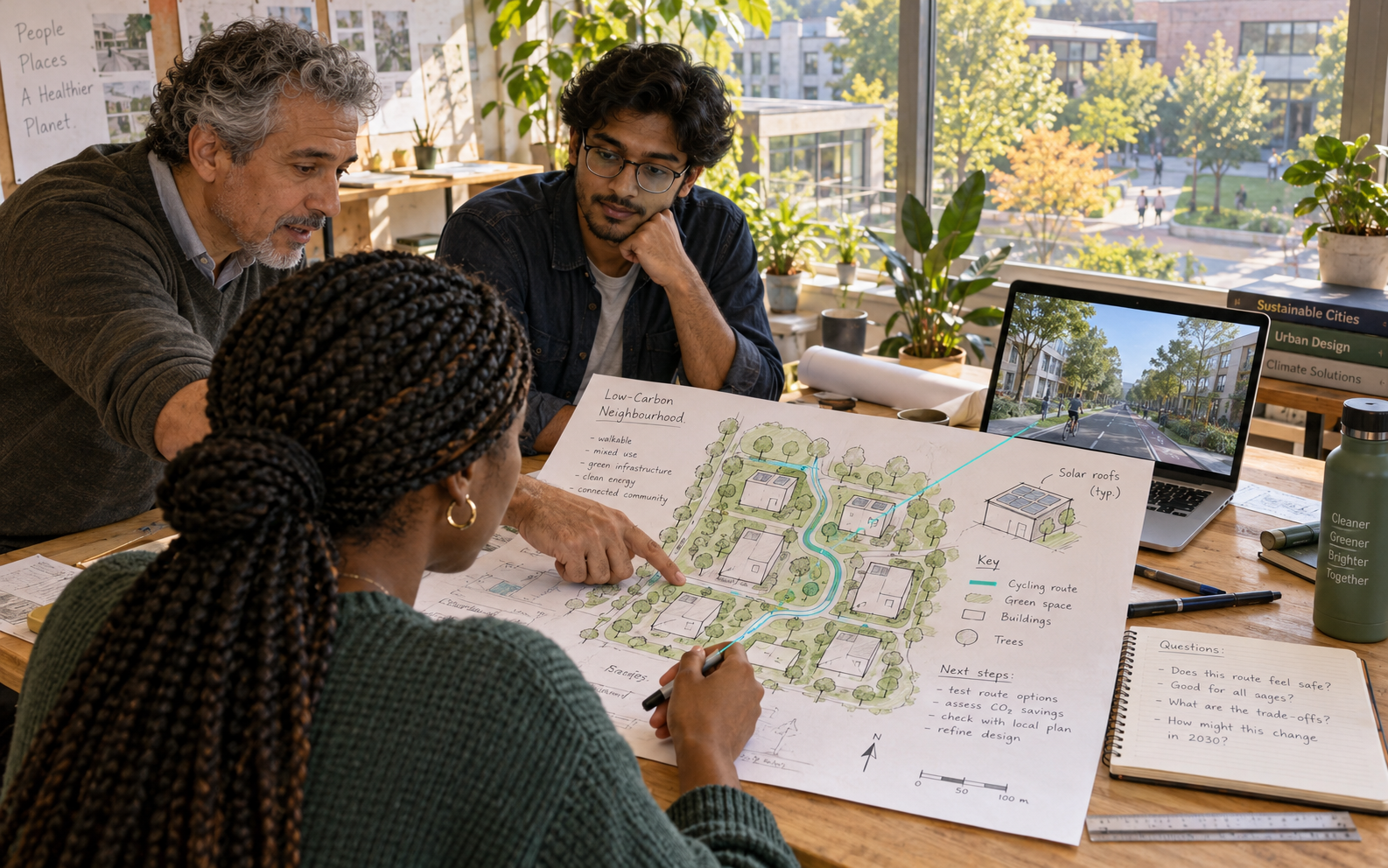
A lecturer and two students compare a hand-drawn low-carbon neighborhood plan with a streetscape on a laptop, discussing a cycling route and solar roofs.
Artículo de revista2025
Artículo de revista 130

AI-supported climate futures activities accompanied greater hope, without isolating the contribution of AI

Shu-Chiu Liu, Pierre-Alexandre Château

Journal of Science Education and Technology

A climate-change course integrated image or text generation into a structured activity about desirable futures. Across two semester cohorts, students expressed more positive future perspectives and greater climate hope after instruction, with some self-perceived action gains in the image group. The study combined AI with scientific preparation, discussion, and narrative work, so it cannot attribute those changes specifically to AI or establish that intentions became actual climate action.

climate educationfutures thinkinggenerative AI
Leer resumen de 500 palabras →
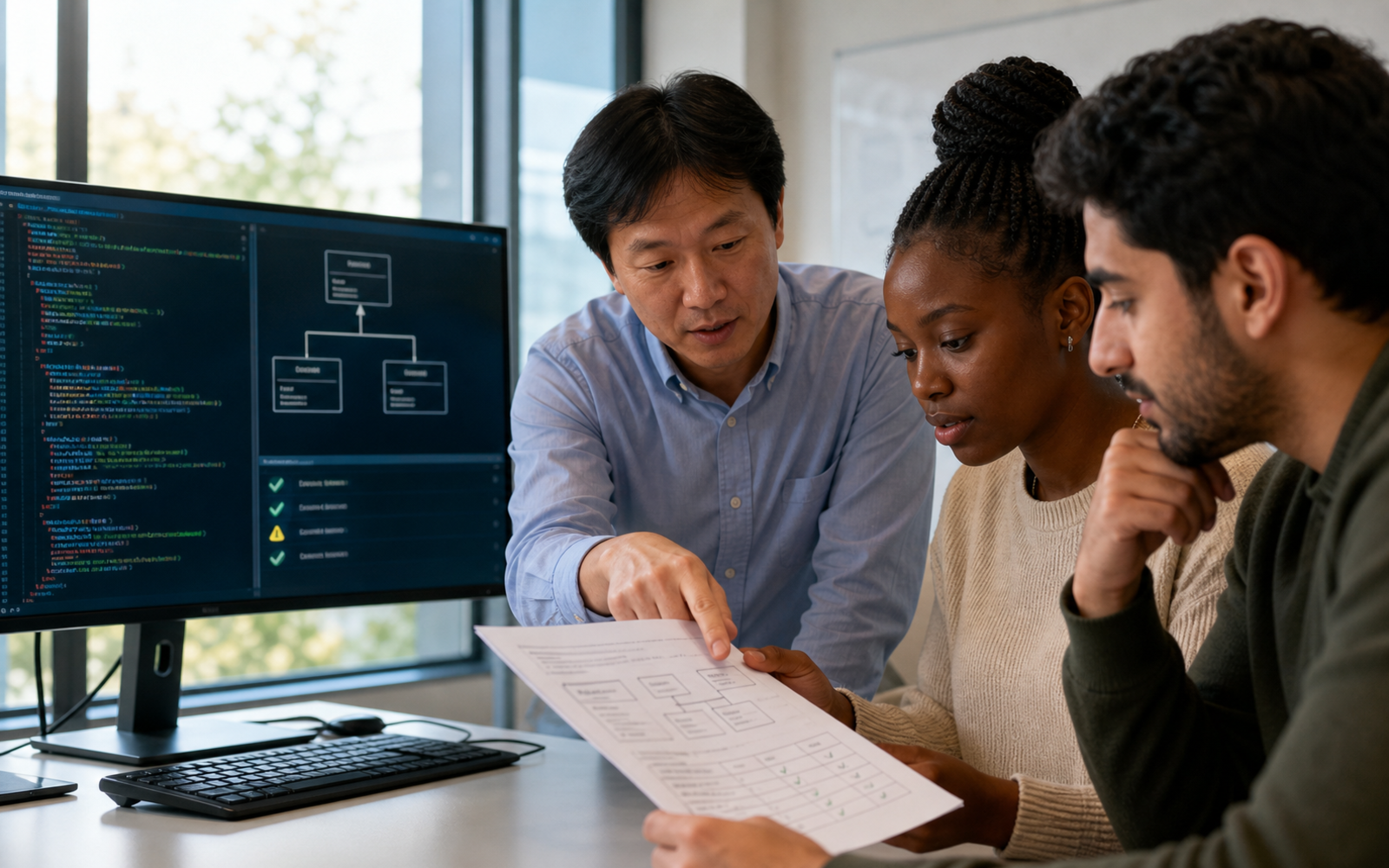
A programming lecturer and two diverse university students inspect compiled code, an inheritance diagram, and a grading rubric in a computer laboratory
Artículo de revista2026
Artículo de revista 102

Five AI systems outscored the average OOP cohort but still failed compilation and advanced concepts

Marina Lepp, Joosep Kaimre

arXiv preprint

Lepp and Kaimre evaluated ChatGPT-5.2, DeepSeek-V3, Gemini 2.5 Flash, Claude Sonnet 4.5, and Microsoft 365 Copilot on authentic introductory OOP tests and examinations using student grading criteria. Systems exceeded the historical average and often solved long tasks, yet some code did not compile and interfaces, abstract classes, inheritance, and image-based questions remained difficult. The results challenge take-home assessment validity without proving student learning.

programming assessmentobject-oriented programminggenerative AI
Leer resumen de 500 palabras →
A diverse group of university students explores a branching media-technology learning story while an instructor traces where quiz choices connect to the narrative
Artículo de congreso2026
Artículo de congreso 90

AI-generated learning stories were clear and well paced, but their quizzes did not belong in the plot

Finn Rogosch, Andreas Schrader

EDULEARN26 Proceedings

Rogosch and Schrader tested AI-generated interactive-fiction episodes with 22 STEM higher-education participants. The five-to-ten-minute stories were rated clear and appropriately long, but story-content coherence averaged below the neutral midpoint and engagement sat near it. Participants most often questioned why characters suddenly demanded technical answers, showing that a playable educational story can still fail to integrate its learning task.

interactive fictioneducational gamesgenerative AI
Leer resumen de 500 palabras →
Four diverse adults analyze a business problem with a laptop, charts and an unassisted written follow-up in a workforce-learning laboratory
Artículo de revista2026
Artículo de revista 54

Generative AI closed three quarters of an education-based performance gap during assisted work, but effort shaped what carried forward

Guillermo Cruces, Diego Fernández Meijide, Sebastian Galiani, Ramiro H. Gálvez, María Lombardi

arXiv working paper

In a preregistered randomized online experiment with 1,174 Argentine adults, GPT-4.1 assistance raised workplace-style problem-solving performance for both education groups and reduced the baseline gap from 0.548 to 0.139 standard deviations. Lower-education participants retained a modest gain after AI was removed, but stronger follow-up performance appeared when intensive assistance was paired with sustained human effort.

generative AIrandomized experimenteducation inequality
Leer resumen de 500 palabras →
A university student compares an AI explanation with handwritten concept notes while an instructor and peers work in a seminar room
Artículo de revista2026
Artículo de revista 50

Experimental evidence on the learning impact of generative AI: gains persisted when students used it for explanation rather than automation

Zara Contractor, Germán Reyes

arXiv working paper

A randomized, proctored experiment reported that undergraduate access to off-the-shelf generative AI raised immediate factual and conceptual test performance by 0.27 standard deviations and that the gains persisted one week later. The working paper also finds a consequential usage pattern: students who used AI to explain concepts showed stronger delayed gains than students who used it to automate drafting.

generative AIrandomized experimenthigher education
Leer resumen de 500 palabras →
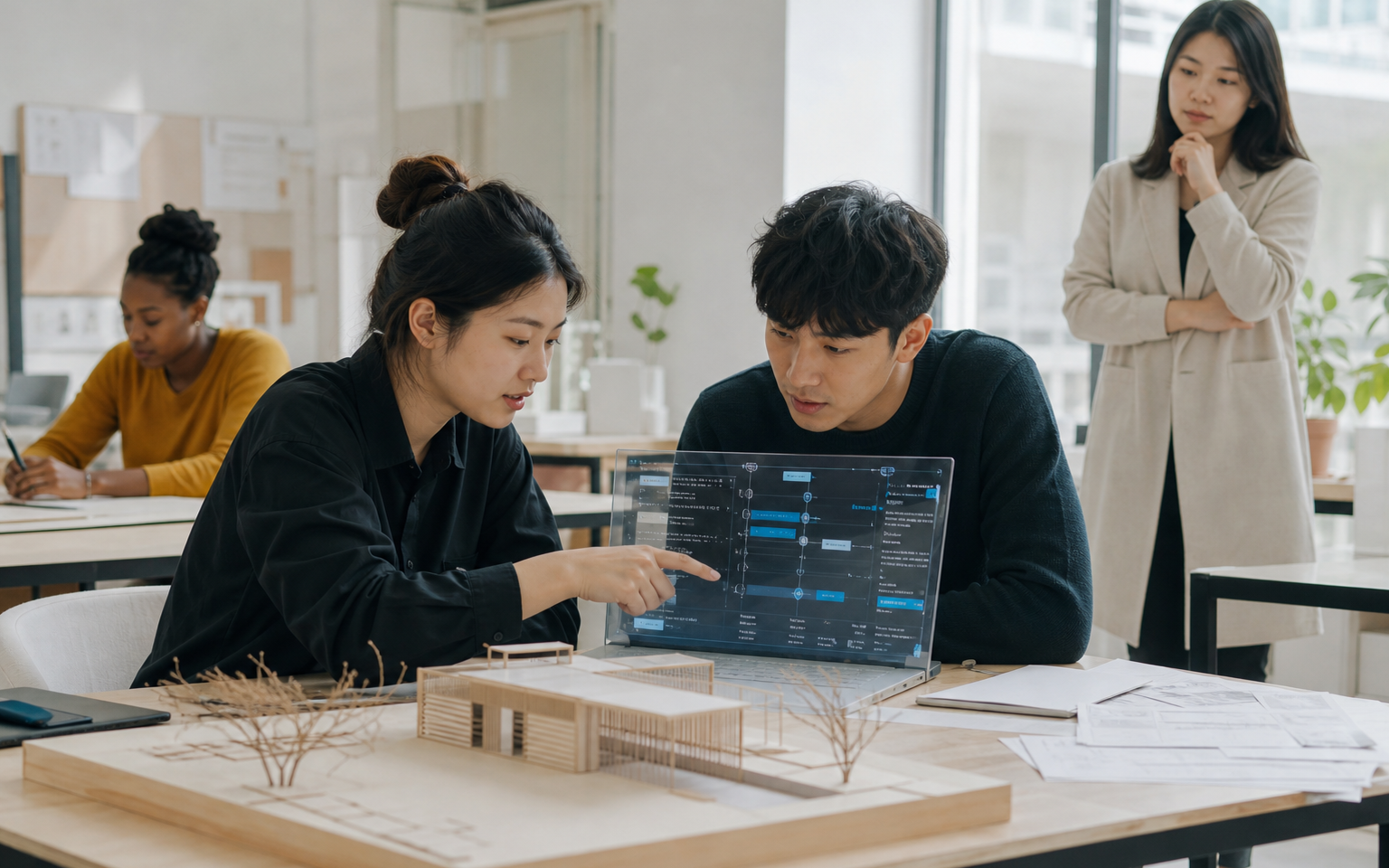
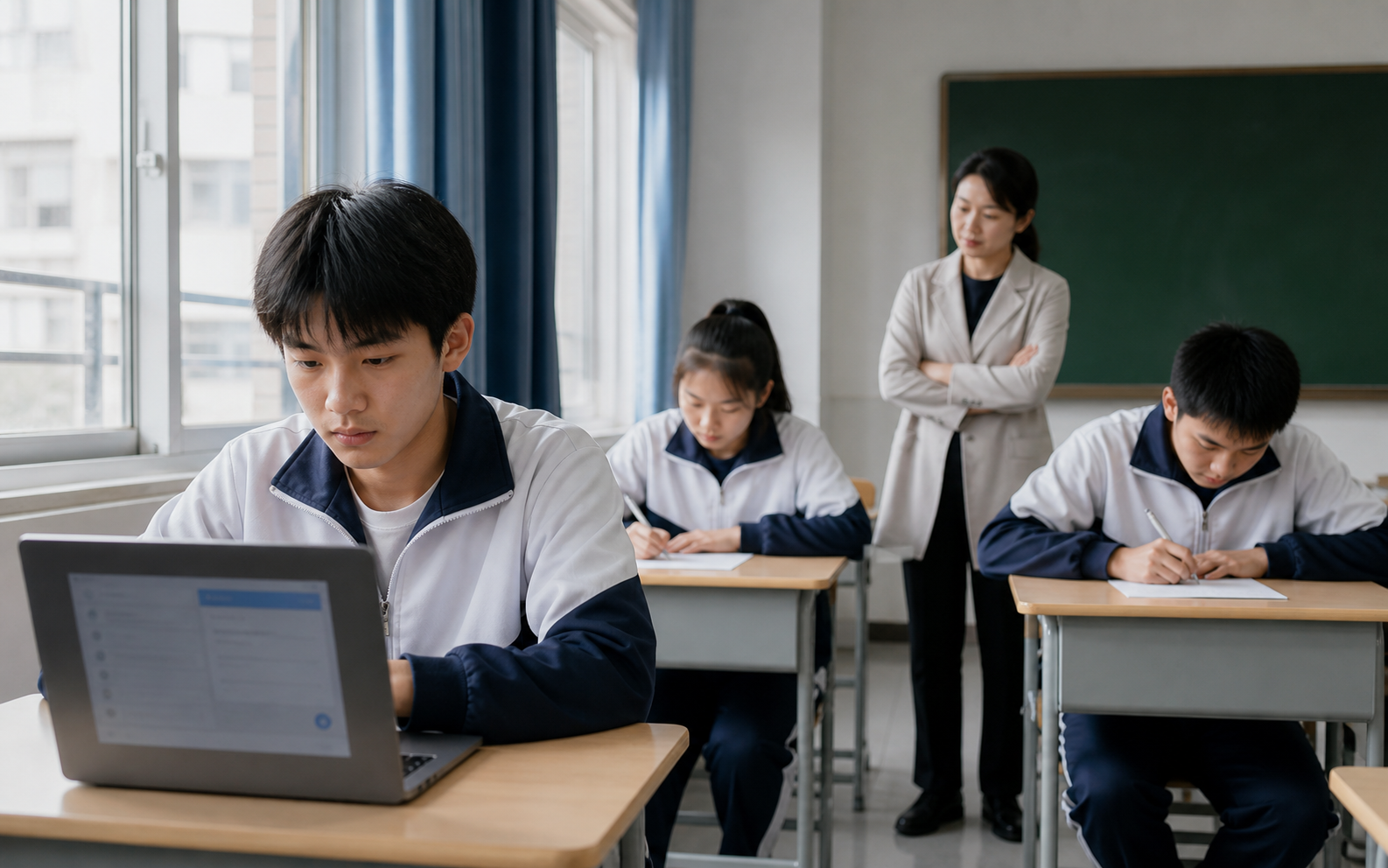
Chinese secondary students complete homework with digital assistance before taking a separate closed-book assessment observed by a teacher
Artículo de revista2026
Artículo de revista 68

Generative AI adoption was linked to higher homework scores but lower unaided exams in a 26,811-student panel

David Strömberg, Victor Lei, Yanhui Wu

CEPR Discussion Paper No. 21577

A CEPR discussion paper analyzes 30 months of records from 26,811 Chinese students in Grades 7–12. Its difference-in-differences estimates associate generative-AI adoption with homework scores 18% higher and completion time 30% lower, but with substantial declines on closed-book and entrance examinations.

generative AIsecondary educationhomework outsourcing
Leer resumen de 500 palabras →
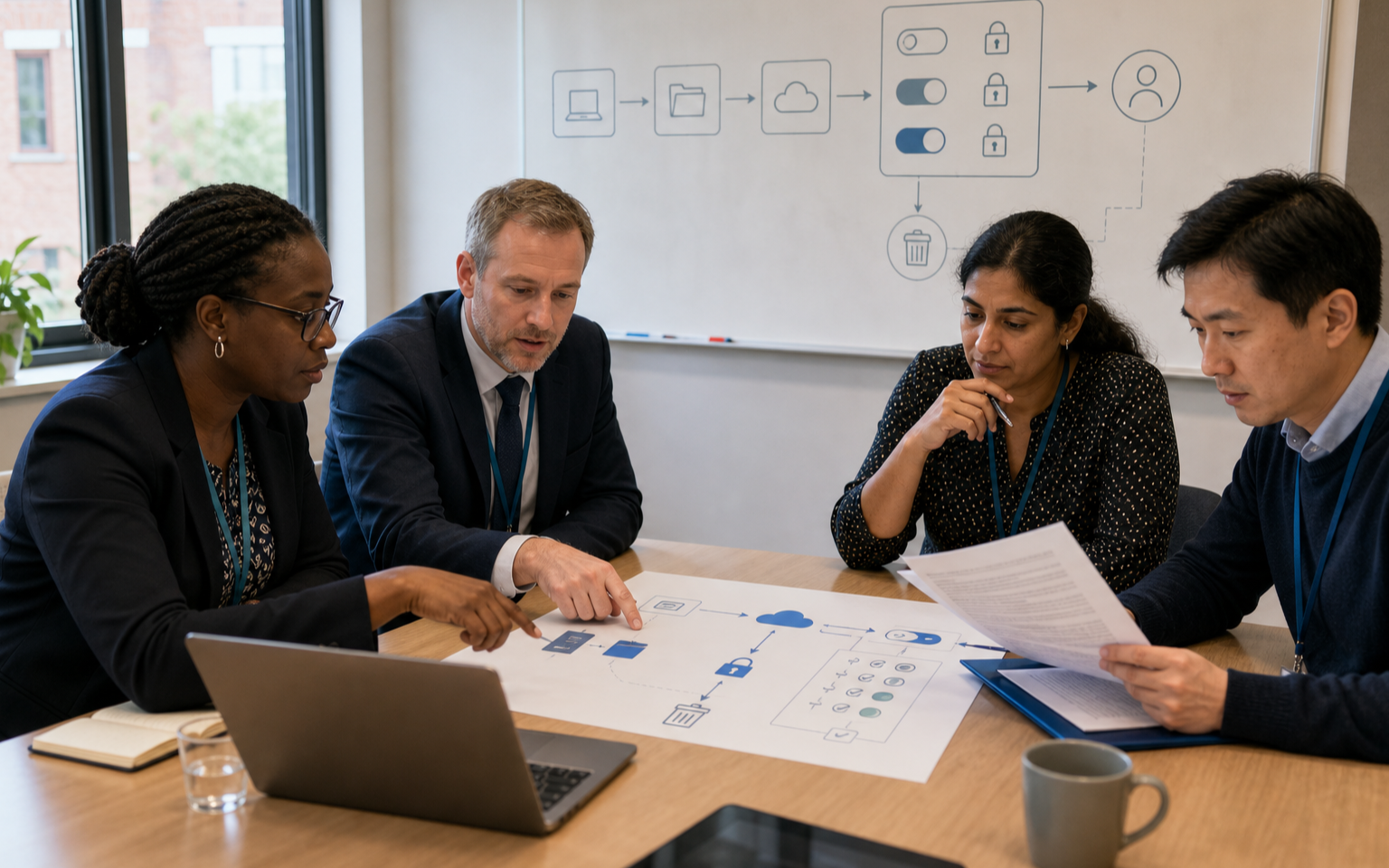
Turkish high-school students solve mathematics problems in three classroom conditions while teachers compare assisted practice with a later unaided test
Artículo de revista2025
Artículo de revista 56

Unguarded GPT raised assisted practice scores but reduced unaided mathematics performance in a high-school RCT

Hamsa Bastani, Osbert Bastani, Alp Sungu, Haosen Ge, Özge Kabakcı, Rei Mariman

Proceedings of the National Academy of Sciences

In a preregistered cluster RCT with nearly 1,000 Turkish high-school students, a standard GPT-4 interface raised assisted practice performance by 48% but reduced later unaided exam performance by 17%. A teacher-informed tutor raised practice performance by 127% and largely removed the penalty without creating a positive exam gain.

generative AIhigh school mathematicsrandomized controlled trial
Leer resumen de 500 palabras →
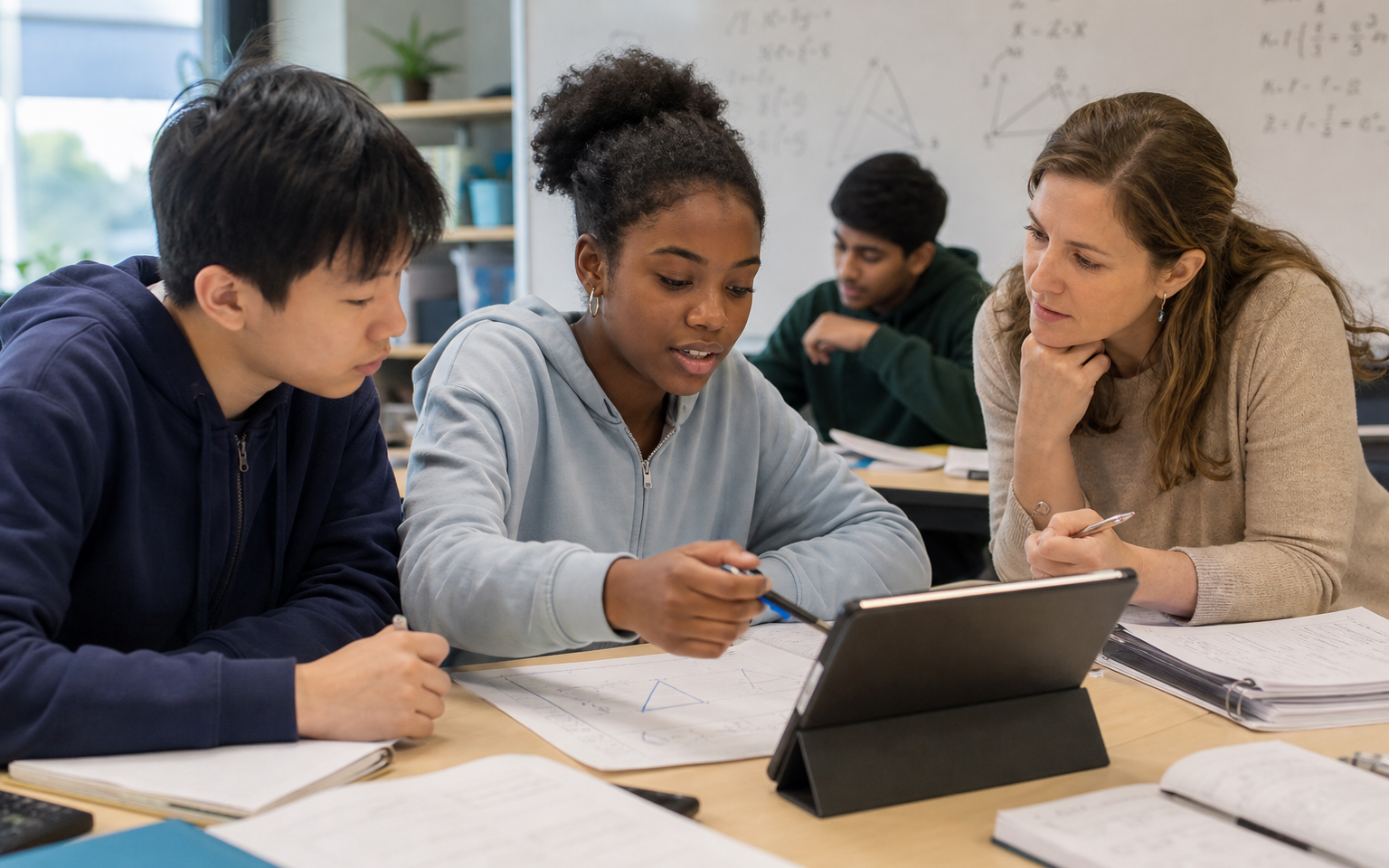
University students discuss transparent and responsible generative-AI use during a collaborative assignment while a teacher facilitates peer reflection
Artículo de revista2026
Artículo de revista 84

Perceived classmate GenAI use was associated with lower trust, while perceived AI literacy attenuated the direct link

Zhen Zhang, Jiaying Geng, Chunhui Qi

Behavioral Sciences

A cross-sectional survey of 406 students at two institutions found that perceiving a classmate as using more GenAI was associated with lower perceived warmth, competence and interpersonal trust. Perceived target AI literacy weakened only the direct association, while the design cannot establish that AI use caused distrust.

generative AIinterpersonal trustAI literacy
Leer resumen de 500 palabras →
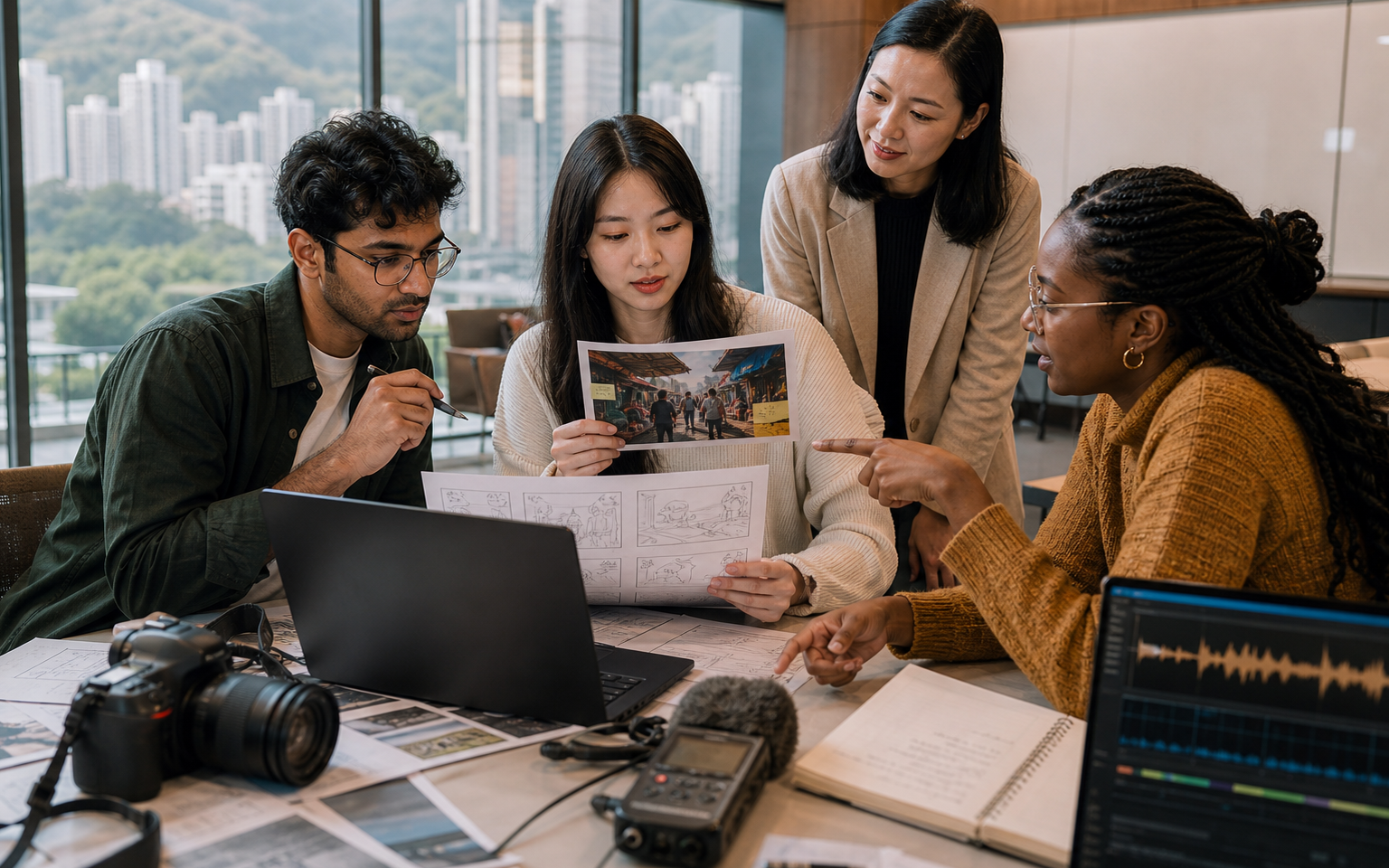
A diverse school procurement team reviews an educational AI contract, data-flow map and safeguarding checklist in a bright meeting room
Política / ética12 jul 2026
Política / ética 79

Product news policy brief: England adds an AI-aware EdTech procurement checklist for schools

UK Department for Education

AI Policy and Learning Report

Product news policy brief: England's Department for Education added a school EdTech procurement section on July 9. It asks schools to map data flows, examine AI training and cross-border storage, involve data-protection and safeguarding leads, set contract and exit controls, and monitor products after purchase.

product newsEdTech procurementdata protection
Leer resumen de 500 palabras →

A diverse mathematics class works with an AI tutoring system while a teacher compares student reasoning and assessment evidence
Revisión2026
Revisión 74

Review of 12 studies finds promising mathematics-tutoring gains while generative-AI achievement evidence remains thin

Neo Molemane, Moeketsi Mosia, Felix O. Egara

Discover Education

A PRISMA systematic review screened 1,749 records and included 12 studies of AI tutoring and assessment in mathematics. Results were generally promising, especially for some lower-performing learners, but heterogeneous methods and limited direct achievement evidence for generative AI prevent a universal efficacy claim.

AI tutoringmathematics educationautomated assessment
Leer resumen de 500 palabras →
A diverse TESOL trainee team builds a meaningful multimodal teaching website while comparing human and AI contributions with their instructor
Artículo de revista2026
Artículo de revista 72

Hong Kong TESOL trainees used generative AI selectively across 10 multimodal website projects

Benjamin Luke Moorhouse, Christoph A. Hafner, Tsz Ying Ho

TESOL Quarterly

A qualitative study followed 22 volunteers representing 10 website projects in a Hong Kong MA TESL course. Every group used generative AI selectively, balancing efficiency and capability against authenticity, meaning-making, reliability and the amount of human involvement.

TESOL teacher educationmultimodal composinggenerative AI
Leer resumen de 500 palabras →