Product news: Claude unifies chat and Cowork memory, making remembered context open to correction
Anthropic
AI Product and Learning Report
Resumen de 500 palabras
Anthropic announced on August 25, 2026 that Claude chat and Cowork would share the same memory. Users can inspect remembered topics and edit or delete them, while the system updates context during conversations. This August 30 report focuses on what that change means for continuing educational and research work. A remembered detail may help an assistant resume a project, but its persistence should not be confused with its accuracy or continuing relevance.
The most useful memory is often mundane: a preferred document format, the meaning of a project acronym, or the location of an approved source collection. These details can spare a researcher repeated explanations. A different kind of statement, such as “this learner struggles with statistics,” is more consequential. It may be based on a temporary difficulty, a mistaken inference, or an outdated conversation. Educators should avoid allowing such a label to become an unexamined description of a person.
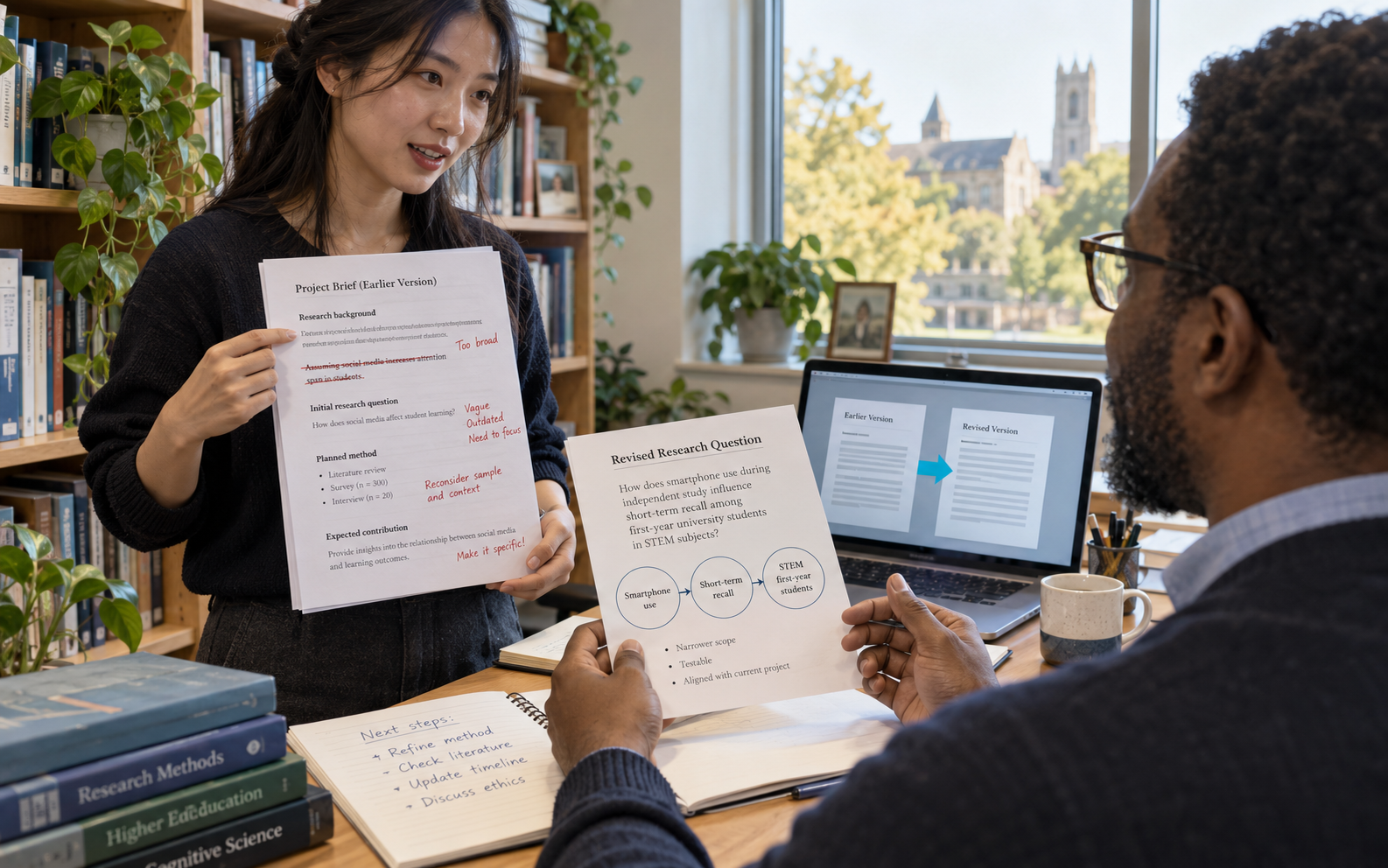
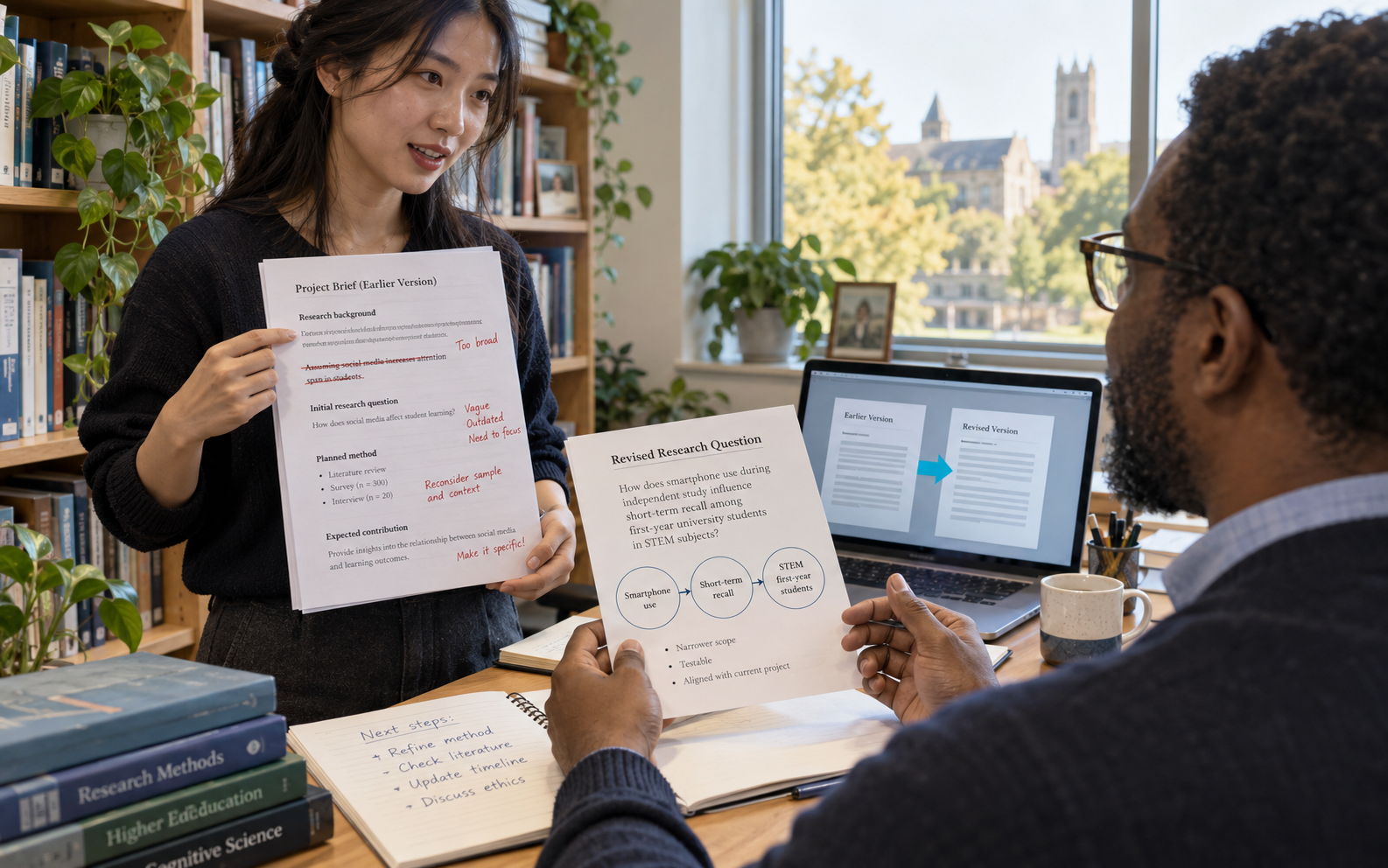
A proposed university exercise could ask students to maintain a short project brief alongside an assistant's remembered context. After changing the research question, they would compare the two and identify what should be retained, revised, or removed. The exercise can use fictional project details. Students would then explain which version has authority and why. The learning goal is to understand context management as an active editorial decision, rather than a convenience that happens invisibly.
For research teams, memory should also be distinguished from an evidence record. A remembered conclusion may help orient a conversation, but a reproducible analysis needs the underlying data version, method, and result. A project can change because a new sample arrives, a coding error is corrected, or a collaborator questions an assumption. Keeping the authoritative record outside conversational memory makes those changes easier to inspect and discuss.
OpenAI's August 25 Admin plugin concerns a related but different boundary: the actions an account is permitted to perform. Gemini in Classroom uses selected course and assignment material to contextualize study prompts. Comparing these approaches clarifies three questions: what is remembered, what is supplied for this task, and what action is authorized. A useful answer to one question does not settle the others, and institutions should explain them in language staff and students can understand.
The update's editable topics could support reflective use if learners periodically ask whether the remembered context still represents their intentions. They might remove an obsolete deadline or replace an overly broad preference with a specific one. They should also be able to begin a task without carrying forward an earlier framing. A student exploring a new interpretation needs room to disagree with their own previous position, rather than receive increasingly personalised confirmation of it.
Anthropic describes different defaults and organisational controls across plans, so local access should be checked before designing an activity around memory. The educational value lies in making continuity understandable and revisable. A good pilot would examine whether participants notice stale context, can correct it, and can still identify the original evidence behind a claim. Less repetition is convenient; better control over the story an assistant carries forward is the more important capability to teach.