Product news: Claude Cowork's own browser separates delegated web research from a user's open tabs
Anthropic
AI Product and Learning Report
500-word summary
Listen to the summary
Audio summary
Anthropic announced a built-in browser for Claude Cowork on August 26, 2026. Reported here on August 29, the feature gives delegated web work a separate browser inside the desktop app, rather than requiring access to the user's existing Chrome session. Anthropic describes a staged rollout for Pro, Max, and Team users and administrator-controlled access for Enterprise. This is distinct from the general availability of the Claude in Chrome extension announced the same day.
For educational research, the distinction is practical. A personal browser can contain private correspondence, unfinished assignments, institutional systems, and unrelated accounts. A separate browsing environment makes it easier to define a task around a selected collection of websites. It does not make every source trustworthy or make all browsing read-only. The purpose and permitted actions still need to be clear to the person supervising the work.
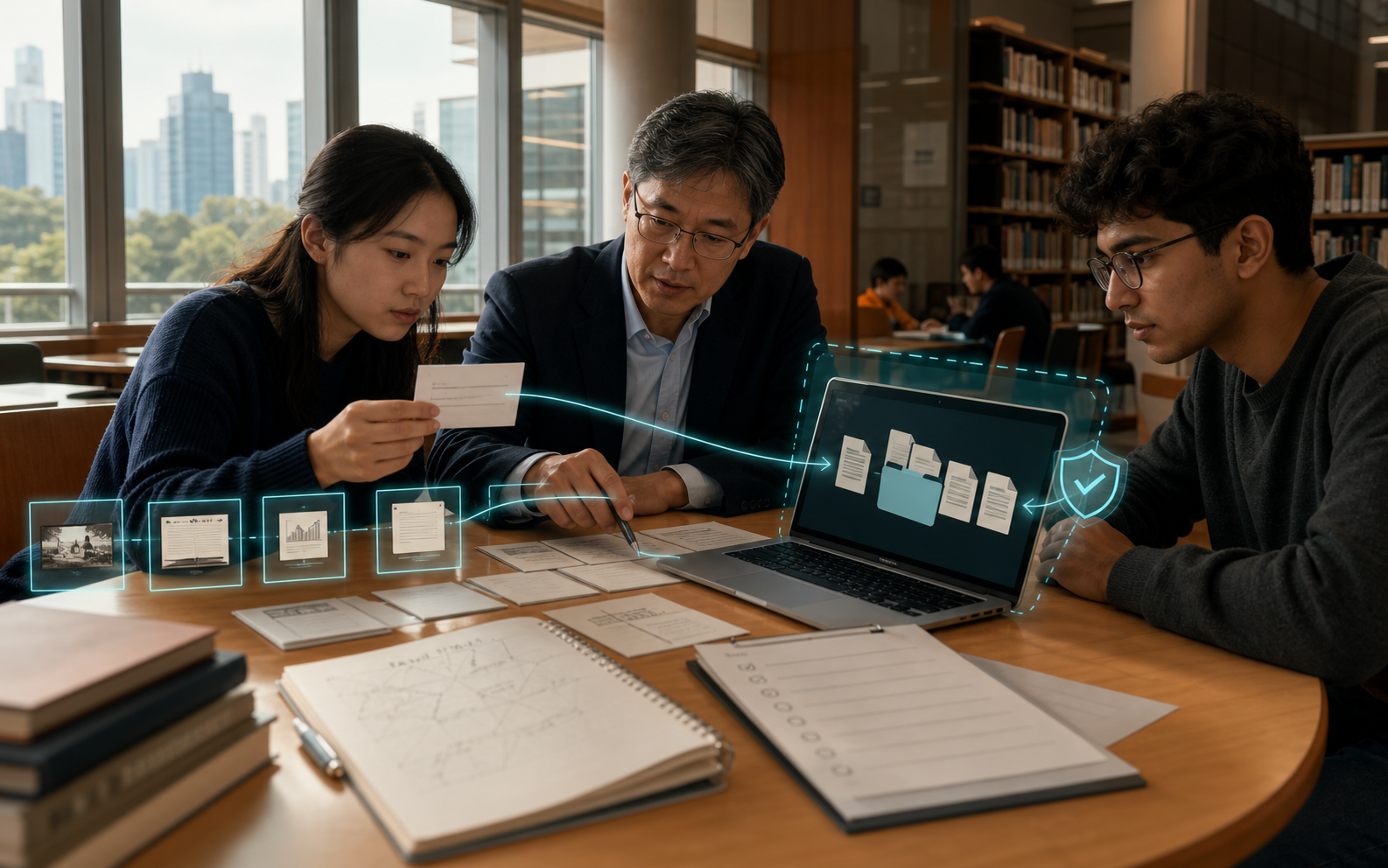
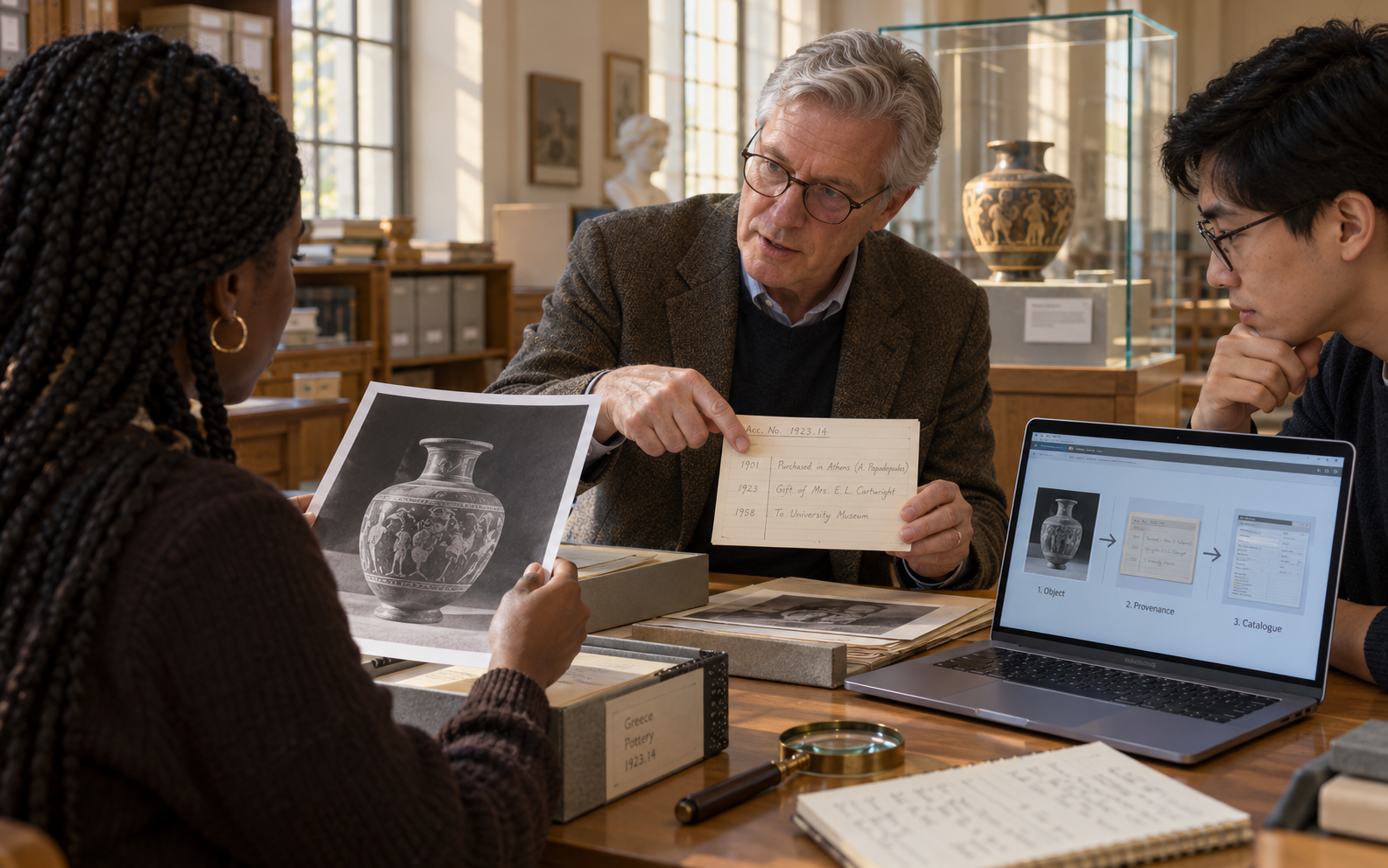
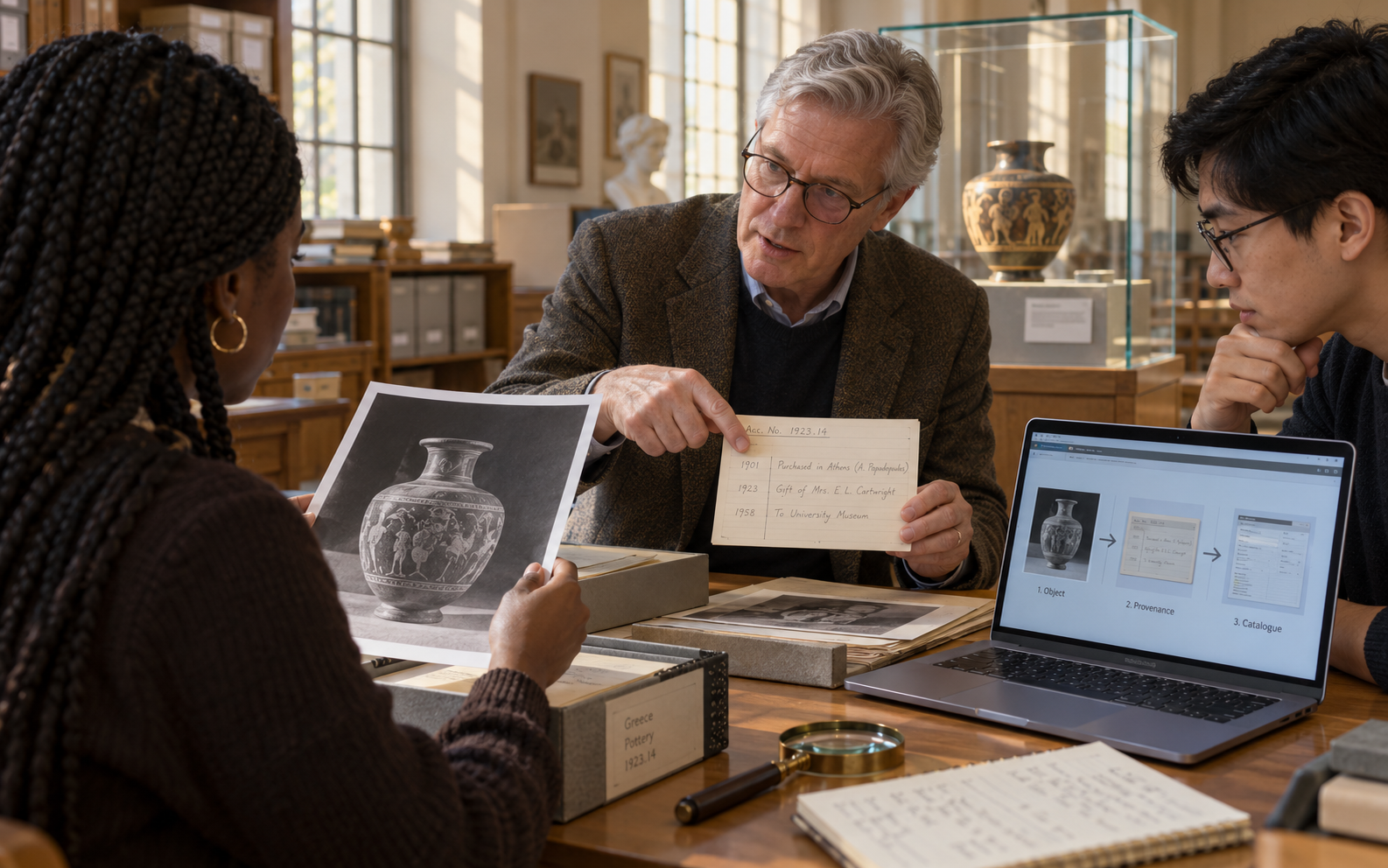
An archive project provides a useful example. A seminar might ask students to assemble a catalogue of public museum objects connected with a historical period. The assistant could collect candidate pages, while students decide what counts as an object record, how to distinguish provenance from interpretation, and which fields belong in the catalogue. A retrieved page should remain linked to the entry it supports, so a later reader can inspect the evidence rather than trust a detached summary.
The browsing record can become part of the lesson. Students might compare two apparently similar objects and discover that one date refers to production while another refers to acquisition. They could mark uncertainty and explain why an institution's description is more informative than a search snippet. If the assistant misses a qualification, the revision should show what changed and which source justified it. This turns collection into an exercise in disciplined historical reasoning.
OpenAI's recently introduced Admin plugin approaches a different part of delegation: supported workspace actions remain tied to existing permissions. Google's earlier back-to-school collection, including Gemini study tools, approaches the learner-facing side through structured practice and materials. These examples underline that browsing, administration, and learning support are separate functions. Combining them should begin with an educational purpose, not with the assumption that every available capability belongs in the same activity.
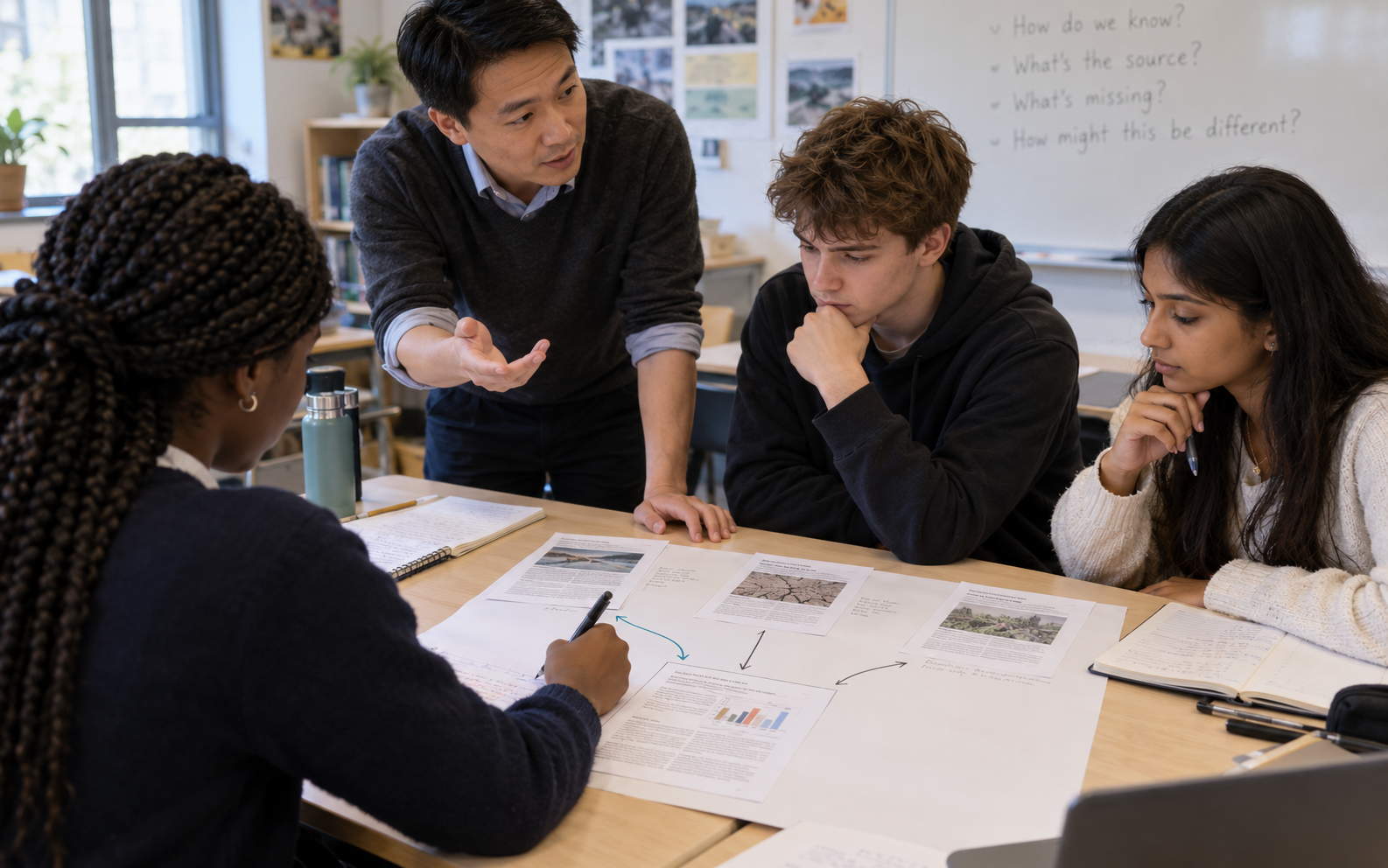
Teachers can define a small initial collection, a maximum number of entries, and the information students must verify themselves. They can also make non-digital participation possible by providing a few printed source records. The task should reward justified inclusion and careful handling of ambiguity, rather than the largest catalogue. A group that rejects an attractive but poorly documented source may demonstrate more understanding than one that collects hundreds of plausible entries.
Anthropic notes that its browser safeguards reduce rather than eliminate prompt-injection risk. A separate browser therefore offers a useful organisational boundary, not a guarantee of safe or accurate research. For a university pilot, success would mean a manageable set of sources, traceable statements, and students who can explain their selection decisions. The product makes web delegation more convenient; the teaching design should make the resulting evidence more visible and the human judgment more deliberate.