Product news: WeatherNext 3 offers a concrete lesson in AI forecasts, observations, and uncertainty
Google DeepMind
AI Product and Learning Report
500-Wörter-Zusammenfassung
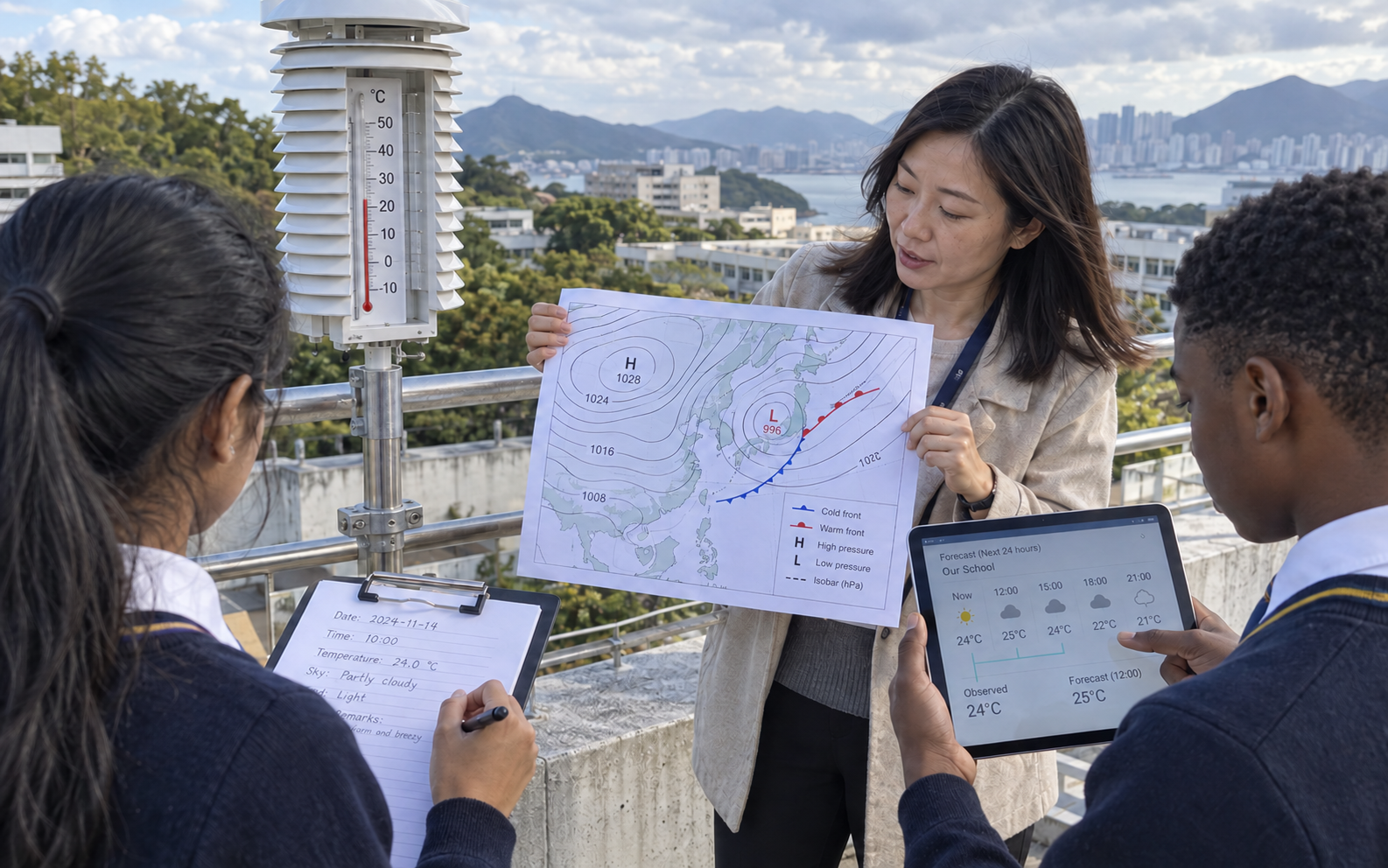
Google announced WeatherNext 3 on September 3, 2026, describing a weather model that incorporates recent satellite observations and produces hourly forecasts at finer spatial detail. The company says the system is integrated across products including Gemini. Reported here on September 6, the update offers a timely classroom example of how AI connects observations, modelling, and public information. It does not make a weather forecast equivalent to a direct measurement of what will happen.
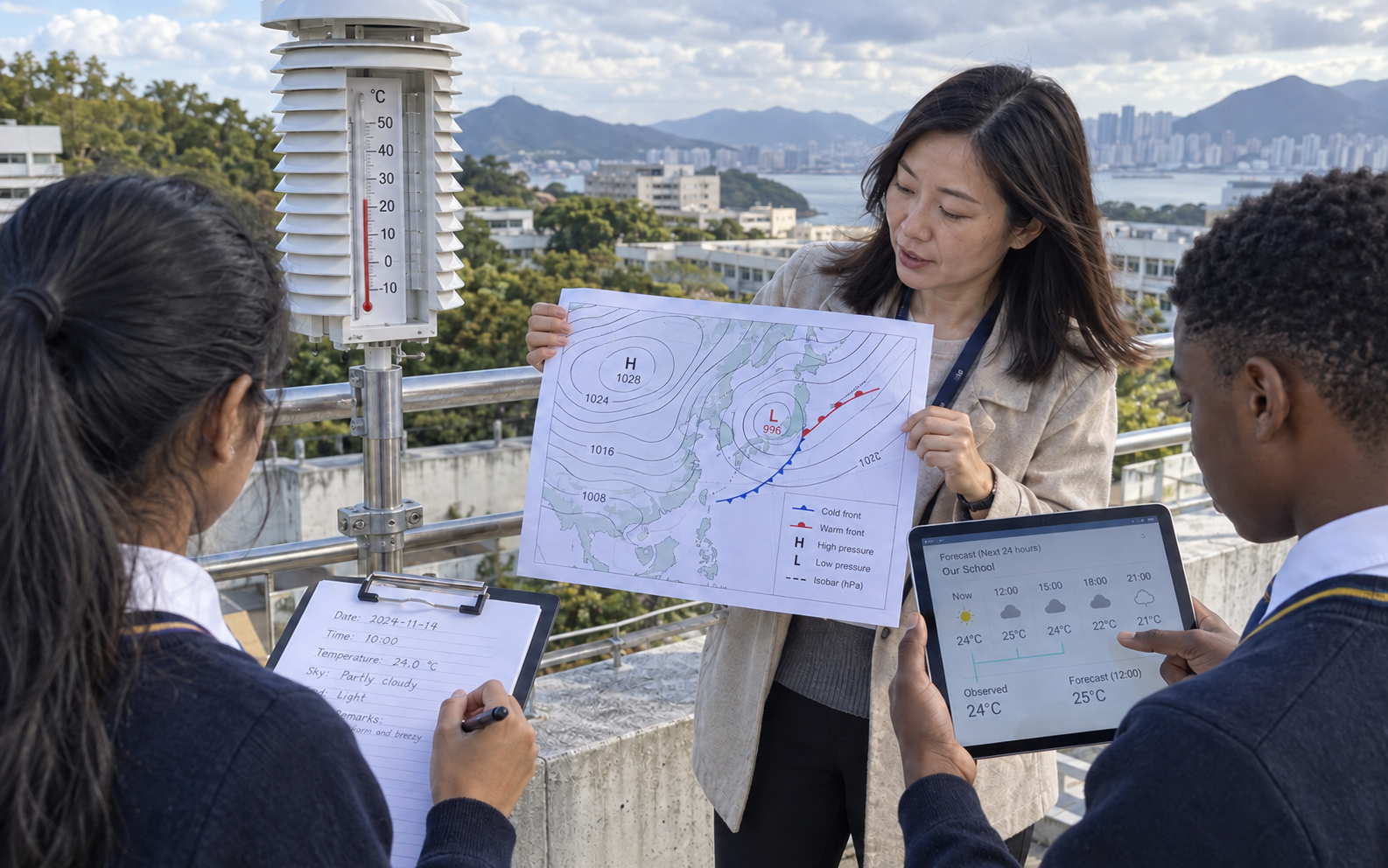
The distinction can be explored without asking students to build a model. A class might record a forecast for a chosen place, note when it was issued, and compare it later with an observation from the same location and period. Students would need to decide which quantity they are comparing: temperature at a particular hour, rainfall over a day, or a broader description of conditions. An apparent error can arise from mismatched definitions as well as from the prediction itself.
Maps add another layer of interpretation. A more detailed grid can display variation that a coarser map hides, but the visual precision can also encourage overconfidence. A colour boundary does not necessarily represent a sharp physical boundary on the ground. Teachers can ask students to explain what the map's colours, units, time labels, and spatial cells mean before discussing whether a forecast was useful. That makes reading the representation part of the scientific task.
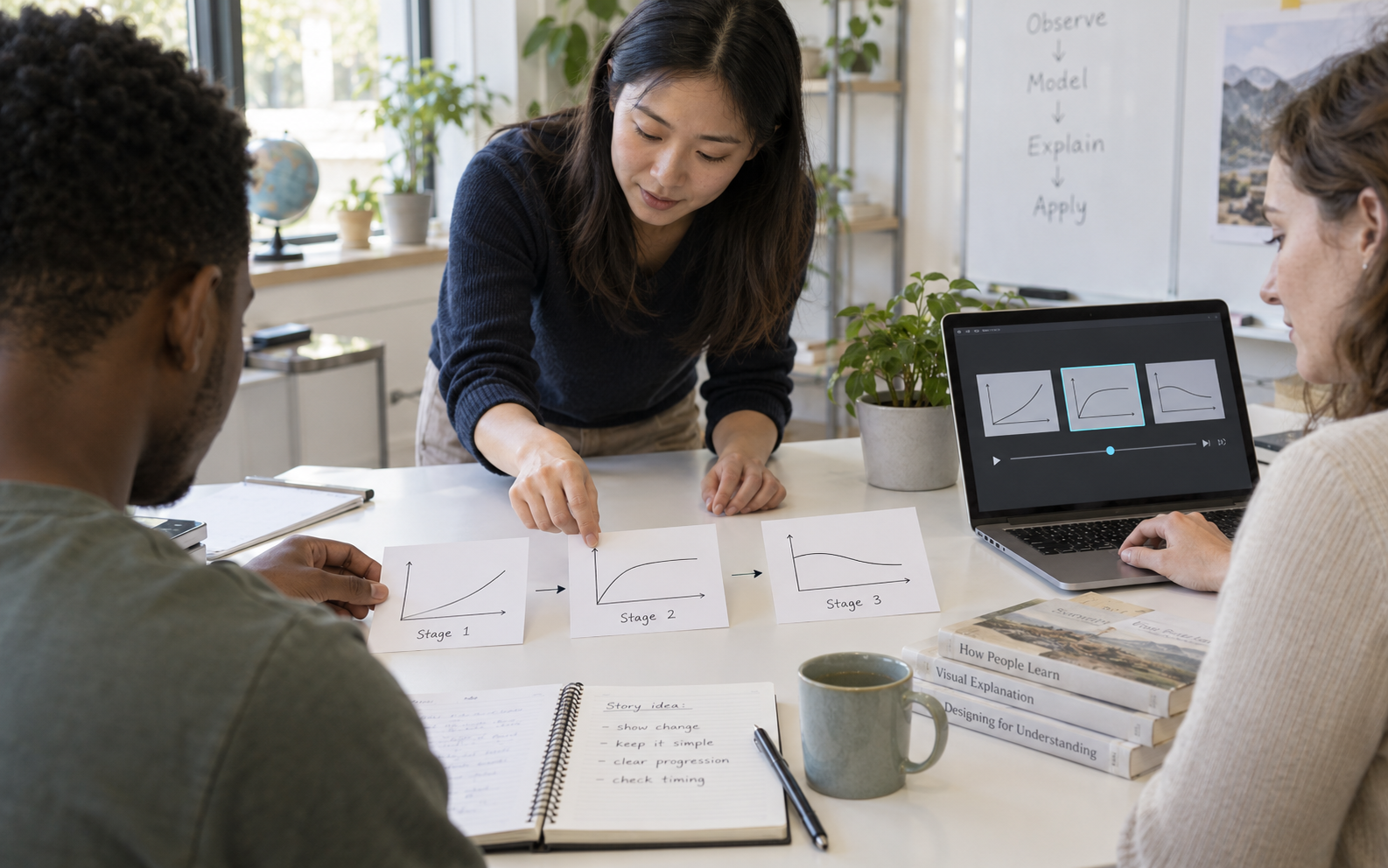
One proposed lesson could use two forecast snapshots issued at different times. Students predict why the later one might change after new observations arrive, then compare the changes with the evidence available. The exercise can distinguish revising a model-informed estimate from simply being inconsistent. It also gives a practical meaning to uncertainty: what remains unknown, what evidence would reduce it, and which conclusion is justified now.
OpenAI's August Kiro integration places specifications and testing around AI-assisted programming. Anthropic's Claude Academy guidance asks people to retain responsibility for important judgments. Applied to weather learning with Gemini, these ideas suggest a modest division of labour: an assistant can help organise a comparison or explain a term, while students define the variables and defend the interpretation. Neither provider's general guidance establishes the forecasting model's performance in a local lesson.
A school project should preserve the original forecast rather than replace it whenever a new version appears. Otherwise, students cannot reconstruct what was known at the time. A small table containing issue time, target time, location, unit, predicted value, and observed value can be sufficient. The class can discuss missing observations and cases where different sources disagree, without forcing every difference into a simple right-or-wrong label.
The educational value is therefore broader than a new weather feature. WeatherNext 3 provides a familiar setting in which students can examine how AI-generated information should be read, compared, and revised. A successful lesson would leave them better able to distinguish evidence from prediction and visual detail from confidence. Those habits remain useful when they later encounter forecasts, estimates, and model-based claims in other subjects.