Communities of Practice
How people learn by sustaining a shared domain, relationships, and repertoire of practice, and how educators can support participation without manufacturing community.
Quellen
Vollständige Zusammenfassung
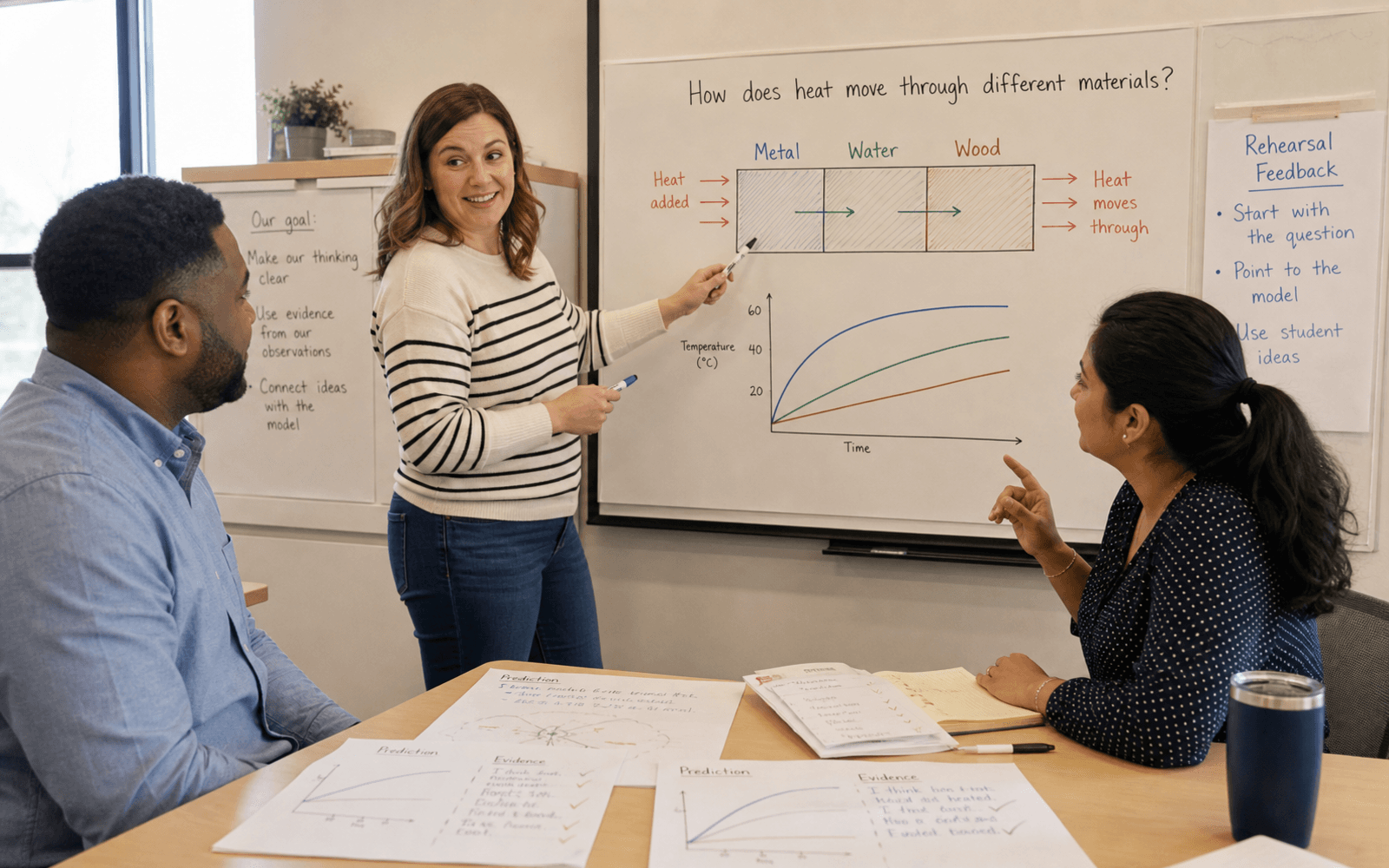
A community of practice is a group of people who learn how to do something better through sustained interaction around a shared concern or activity. Wenger-Trayner describes three necessary elements: a domain that gives the group a common focus, a community whose members build relationships and learn together, and a practice made of shared ways of addressing recurring problems. A mailing list, staff category, online platform, or friendly gathering is not automatically a community of practice. Members must engage with one another as practitioners and develop something they can use.
The concept grew from Lave and Wenger's account of situated learning and legitimate peripheral participation. Newcomers can begin at the edge of a practice through limited but genuine access to its people, tools, language, and work. They observe, contribute, receive feedback, and gradually take greater responsibility. Peripheral participation is not a remedial waiting room. When it is legitimate, it provides a pathway toward fuller participation and a developing identity. Experienced members also learn as they explain judgments, encounter new cases, and revise what the community considers competent practice.
A practice includes more than written procedures. It can contain stories, cases, routines, tools, artifacts, vocabulary, standards, and tacit judgments about what counts as a good response. Joint problem solving turns individual experience into a shared repertoire. Members may carry ideas across boundaries, connecting one community with another. Yet communities can also reproduce hierarchy, exclude newcomers, normalize weak routines, or treat one group's experience as universal. Participation should therefore be examined for access, voice, recognition, power, and the quality of the practice being sustained.
Educators cannot create a genuine community simply by announcing one or opening a discussion board. They can cultivate the conditions: recurring time, authentic problems, voluntary and meaningful contribution, visible expertise, mentorship, shared stewardship, and useful records of developing practice. Newcomers need real entry roles rather than observation forever. Facilitation can invite quieter members, connect questions with relevant experience, and keep disagreement focused on improving practice. Documentation should capture cases and reasoning without replacing the conversations and trust through which knowledge becomes usable.
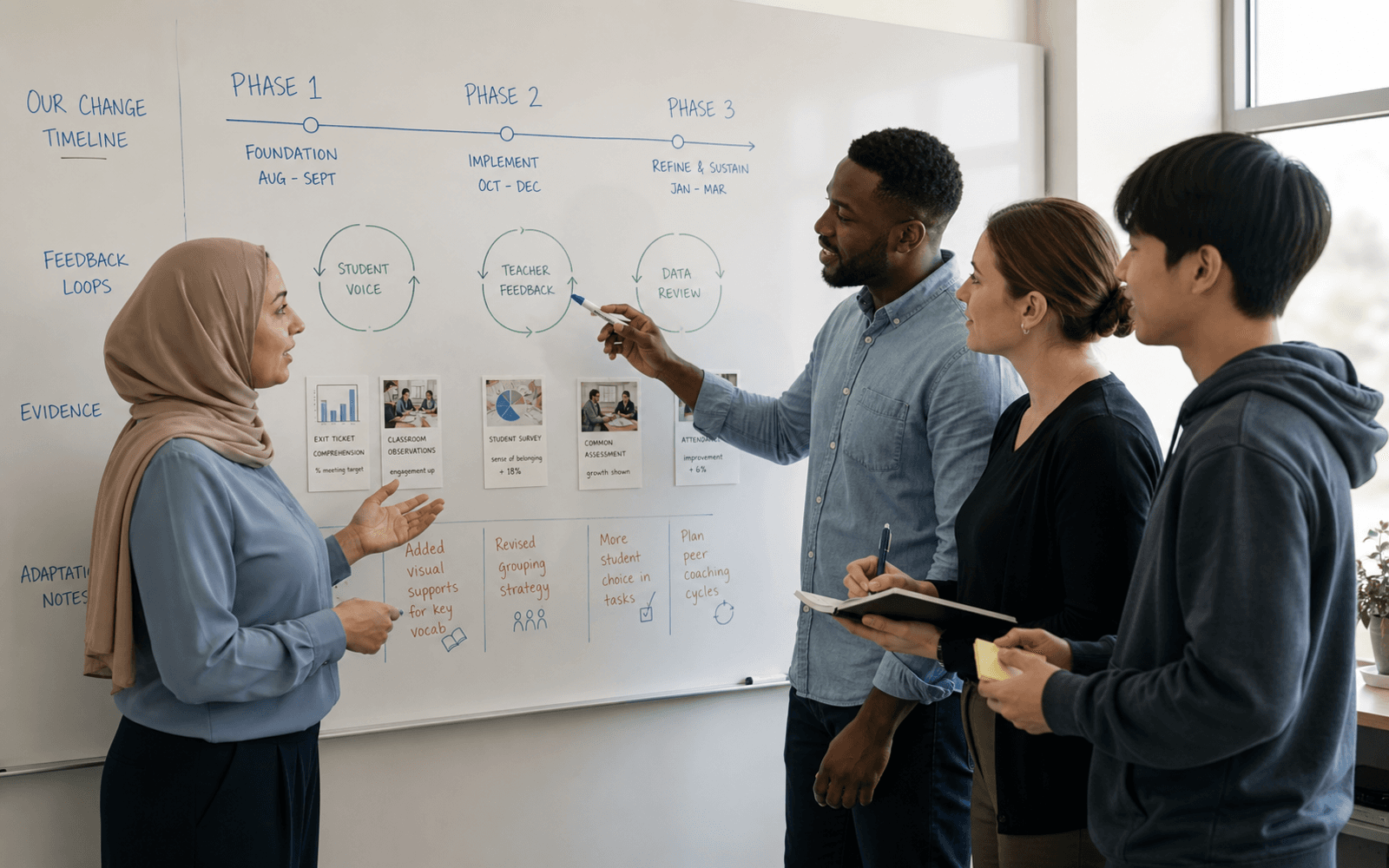
Communities of practice are valuable for teacher learning, laboratory work, design studios, professional placements, and cross-school improvement. AI can help search a case archive, summarize recurring questions, or connect members facing similar problems. It cannot supply mutual accountability, decide whose experience should count, or guarantee an inclusive learning trajectory. Evaluation should look beyond attendance and message counts. Useful evidence includes changes in practice, the quality and reuse of shared resources, widening participation, stronger professional judgment, and members' ability to explain how collective learning changed their work. The educational goal is not social activity alone, but a community that expands responsible participation while improving what its members can do together.