Teacher case: Gemini voice prompts and visual guides support student expression in an Indonesian classroom
AI Product and Learning Report
৫০০-শব্দের সারাংশ
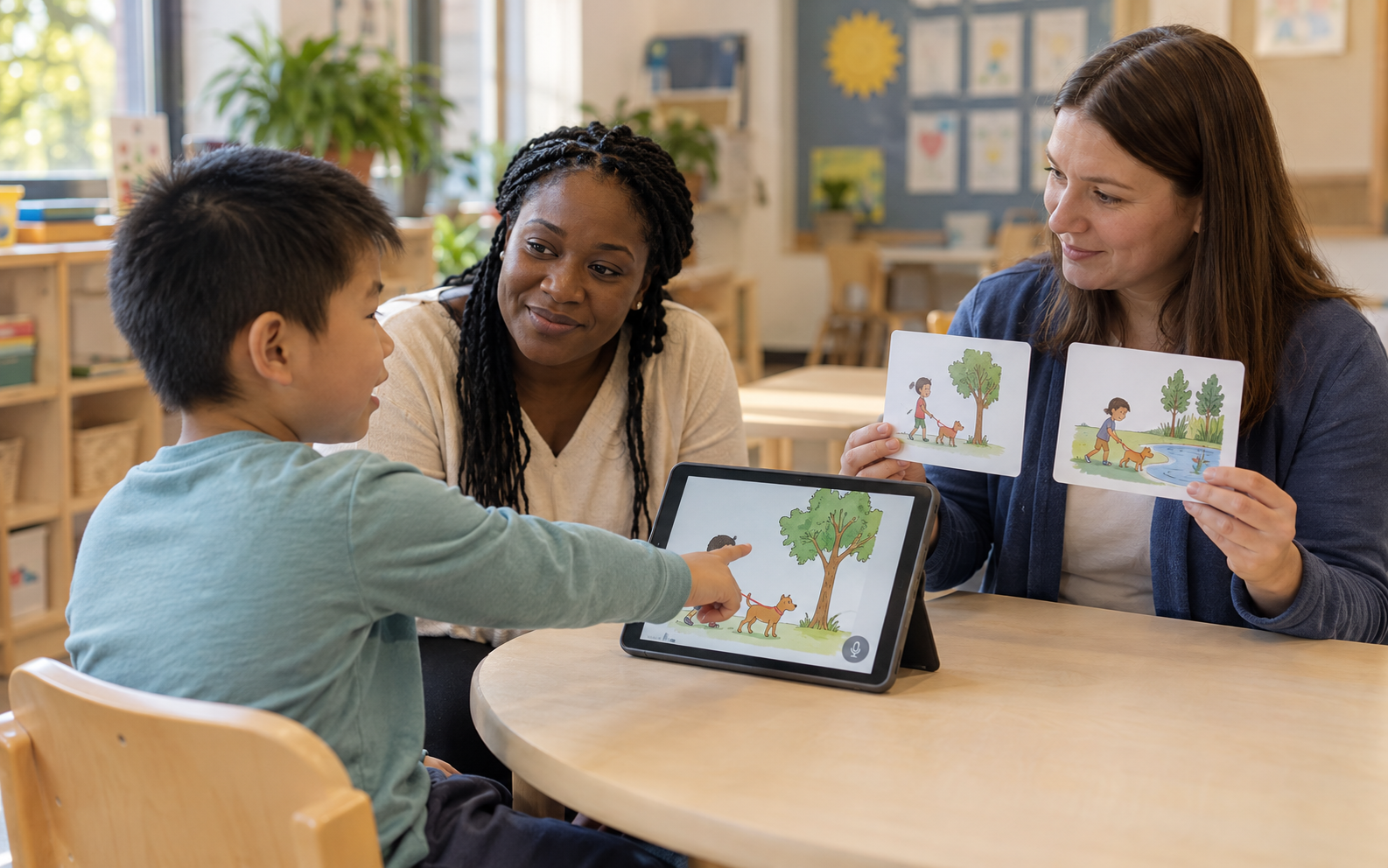
Indonesian teacher Eni Wulandari described her use of Gemini in a Google-published account on October 5, 2026. She reports creating visual guides and supporting students who have difficulty writing to express ideas through voice prompts and generated images. This October 12 article examines the practice as a teacher account. It does not establish an effect for all learners with disabilities or replace an individual understanding of each student's communication needs.
The important educational move is to offer another route for expressing an idea. A student may have a clear intention that is difficult to communicate through a particular written task. Voice, images, objects, or another supported form can make participation possible in a different way. The teacher still needs to check whether the resulting image represents what the student meant, rather than accepting the system's interpretation as the student's own.
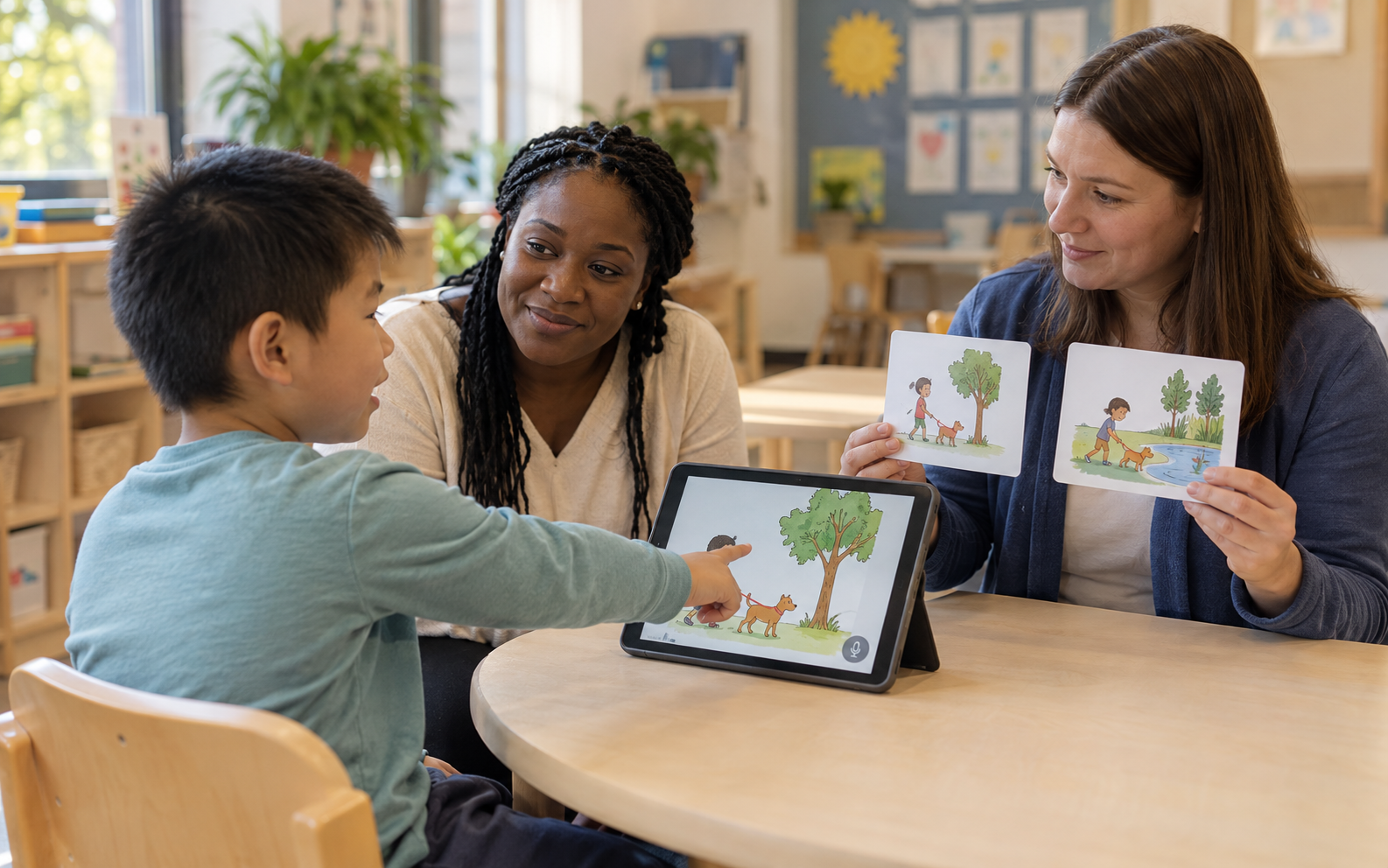
A simple activity could let a learner describe a familiar scene, inspect the generated image with support, and decide what should change. The teacher could ask about one element at a time and provide alternatives where needed. The process should preserve the learner's ability to reject a suggestion. For example, a learner may choose a different object or ask to remove a detail that changes the story. An attractive image is not successful communication if the student had little control over the meaning it conveys.
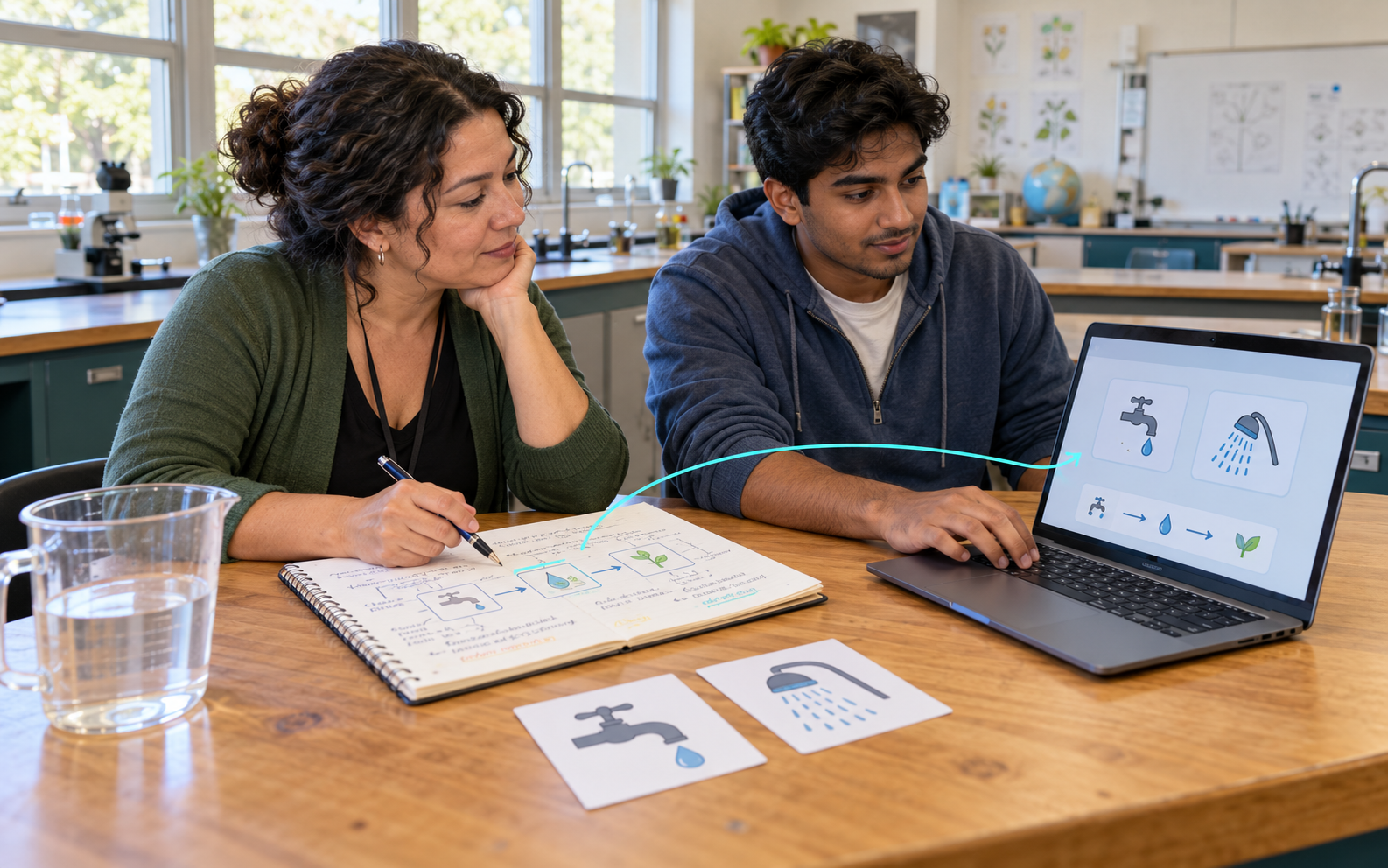
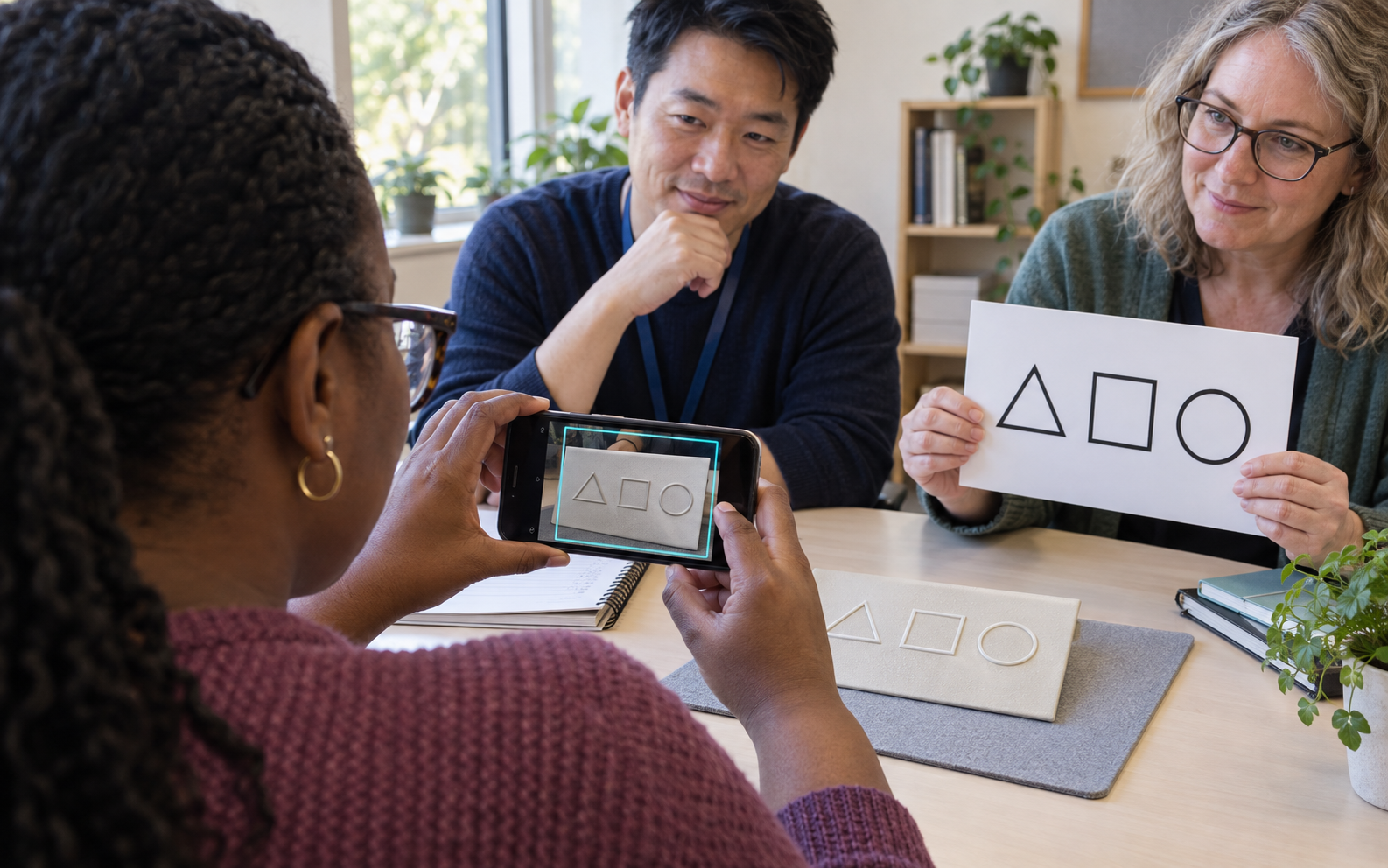
Visual guides also need to be matched to their purpose. A picture that seems obvious to an adult may omit the action or relationship a learner needs to recognise. Teachers can compare the guide with the actual task, observe where confusion remains, and revise one feature at a time. They should retain other forms of explanation and support, rather than assume that adding an image solves the access problem.
OpenAI's GPT-Live-1 API release offers developers more control over spoken interaction. Anthropic's Motion and document tools support the production of visual materials. Gemini's classroom example connects these broader capabilities with a specific teacher's practice. The products are not interchangeable interventions, and their availability or technical performance does not establish that they meet an individual learner's needs.
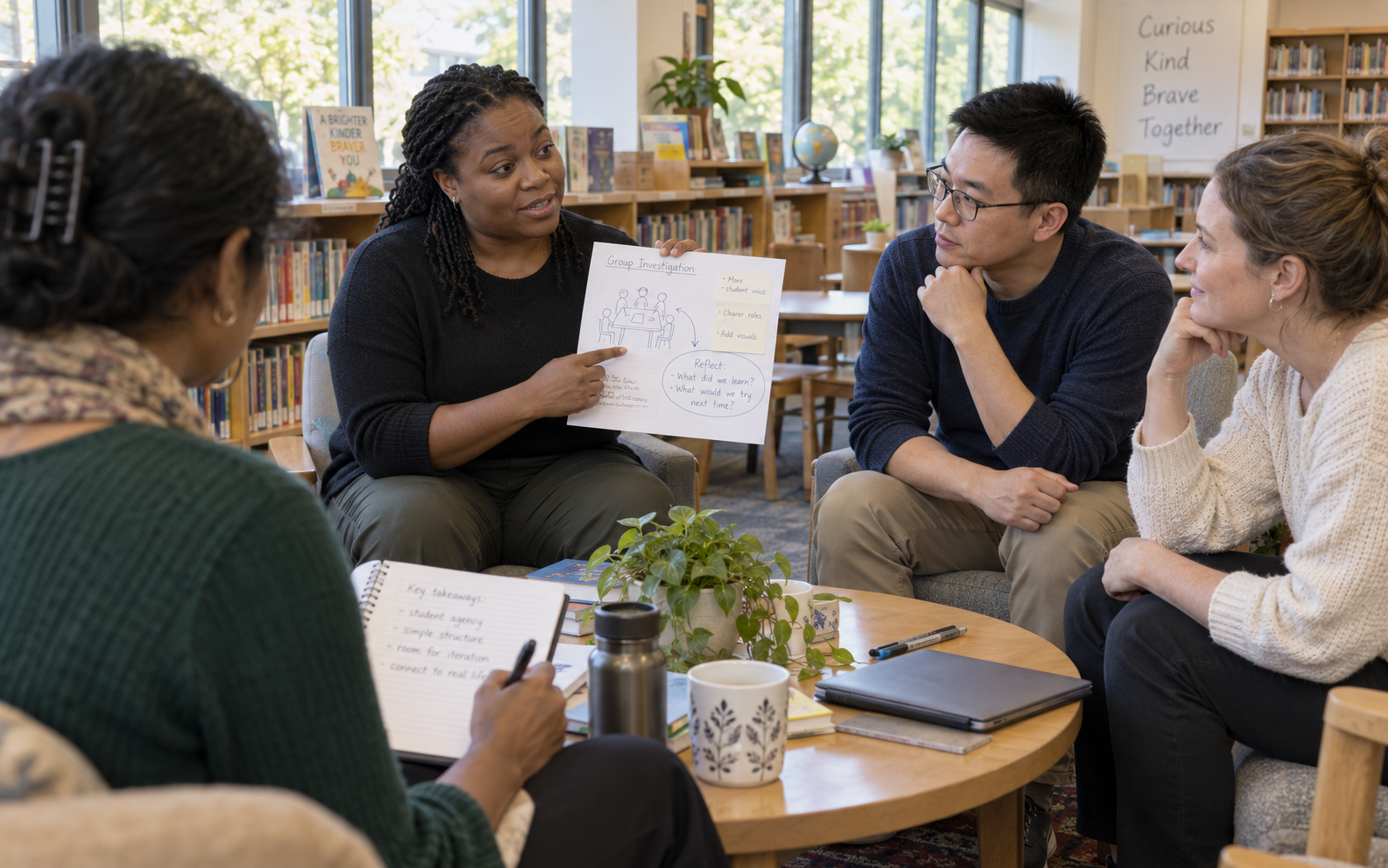
An inclusive review can focus on the student's choices and participation. Did the learner initiate an idea, recognise whether the output matched it, or request a meaningful revision? What support was needed, and was another method more useful? These observations can help the teacher refine the activity without reducing success to the number of images produced. They also keep the learner's agency visible alongside the technology.
Wulandari's account is valuable as a concrete example that colleagues can discuss and adapt cautiously. A school considering similar work should involve the learner and relevant support staff, use appropriate materials, and preserve several routes for communication. The aim is not to make every student interact with AI in the same way. It is to widen the ways students can express, question, and develop their own ideas, with technology serving the meaning they want to communicate.