Product news: Claude Code Review becomes generally available, making review decisions a teaching opportunity
Anthropic
AI Product and Learning Report
৫০০-শব্দের সারাংশ
Anthropic announced on October 15, 2026 that Claude Code Review had left research preview for Team and Enterprise organizations. Administrators enable it, connect the GitHub App, and select repositories; reviews then run on new pull requests. The announcement introduces repository-level choices for review depth and reports faster operation. Those are product capabilities and vendor performance claims. This October 16 report considers an educational use without interpreting them as evidence that students learn programming more effectively.
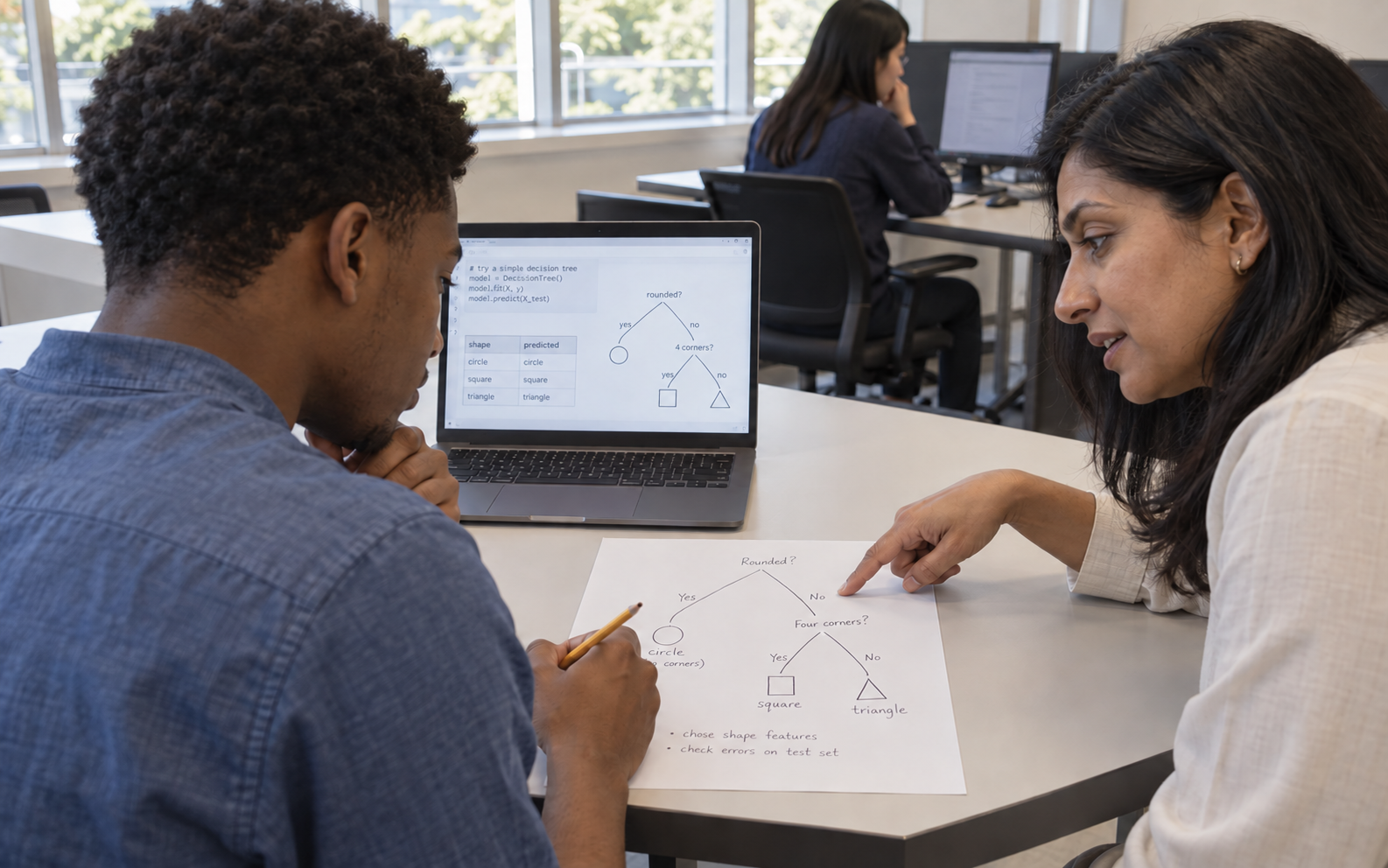
In a programming course, an automated review finding could become the beginning of an explanation task. Before changing the code, a student would state the circumstances under which the alleged defect occurs and predict an observable consequence. They would then construct the smallest example that tests that prediction. If the finding is mistaken, the student should explain why and identify the assumption that failed. This proposed exercise places responsibility for the diagnosis with the learner, even when a tool first draws attention to the issue.
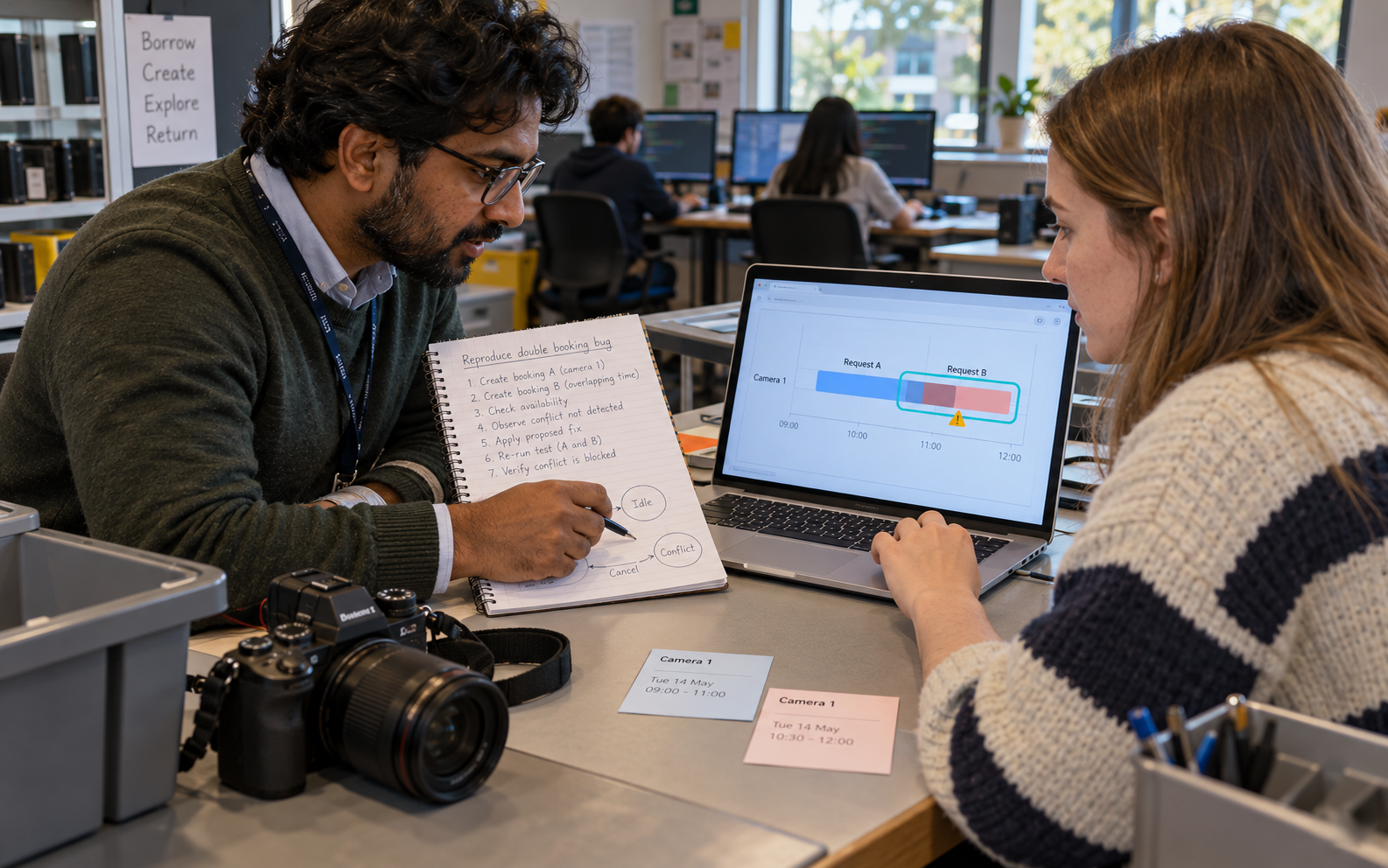
For example, a team might build a classroom equipment-booking application with fictional users. A review could question whether two people can reserve the same item at once. Students would need to distinguish an interface warning from the underlying rule, reproduce a conflicting request, and explain how their correction protects that rule. A neat patch without the reproduction would leave an important part of the reasoning invisible. A test that passes only because the original requirement was weakened would not resolve the problem the students were asked to investigate.
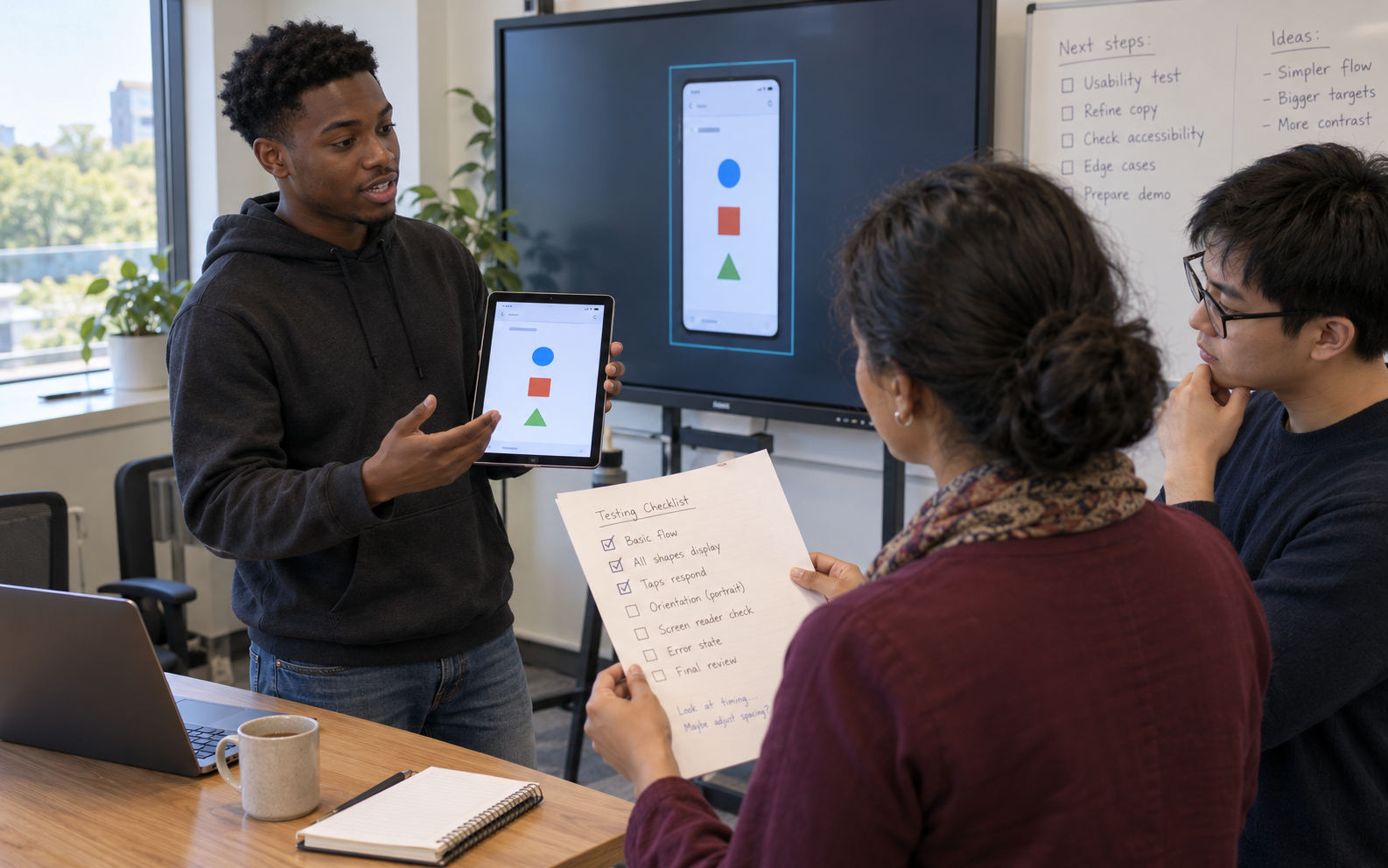
Peer discussion could add a second layer. One learner proposes the reproduction, another challenges whether it represents a real use case, and a third checks the proposed correction against the stated requirement. The final submission might include a brief decision record: the finding, the evidence examined, the chosen response, and a remaining uncertainty. Roles should rotate so that all students practise diagnosis and explanation. This is a suggested course design, not a study reported in Anthropic's announcement or a claim that automated comments reliably identify every consequential defect.
Instructors would also need to choose what the tool is allowed to influence in an assessment. An exercise about understanding a known bug may permit automated review after an initial independent attempt. An examination of unaided debugging would require a different arrangement. The same product can fit these activities differently because their learning goals differ. Review speed, number of findings, and volume of corrected code should not automatically become grades; each can increase without demonstrating that the learner understands the behaviour being changed.
The general-availability release makes a managed review workflow available within the announced organizational plans. For educators considering a pilot, the useful question is whether students can turn its findings into justified, reproducible judgments. A small collection of prepared examples could reveal where learners can explain the trigger, where they need help, and where the tool's advice distracts them. Evaluate that work alongside an independent debugging task. The educational claim should follow the evidence collected about learners, while the product announcement remains evidence only for the service and its stated scope.