Student Voice and Learner Participation
How schools create safe, inclusive spaces for learners to form and express views, reach responsible audiences, influence decisions, receive feedback, and share power without tokenism or compelled disclosure.
উৎস
সম্পূর্ণ পাঠ সারাংশ
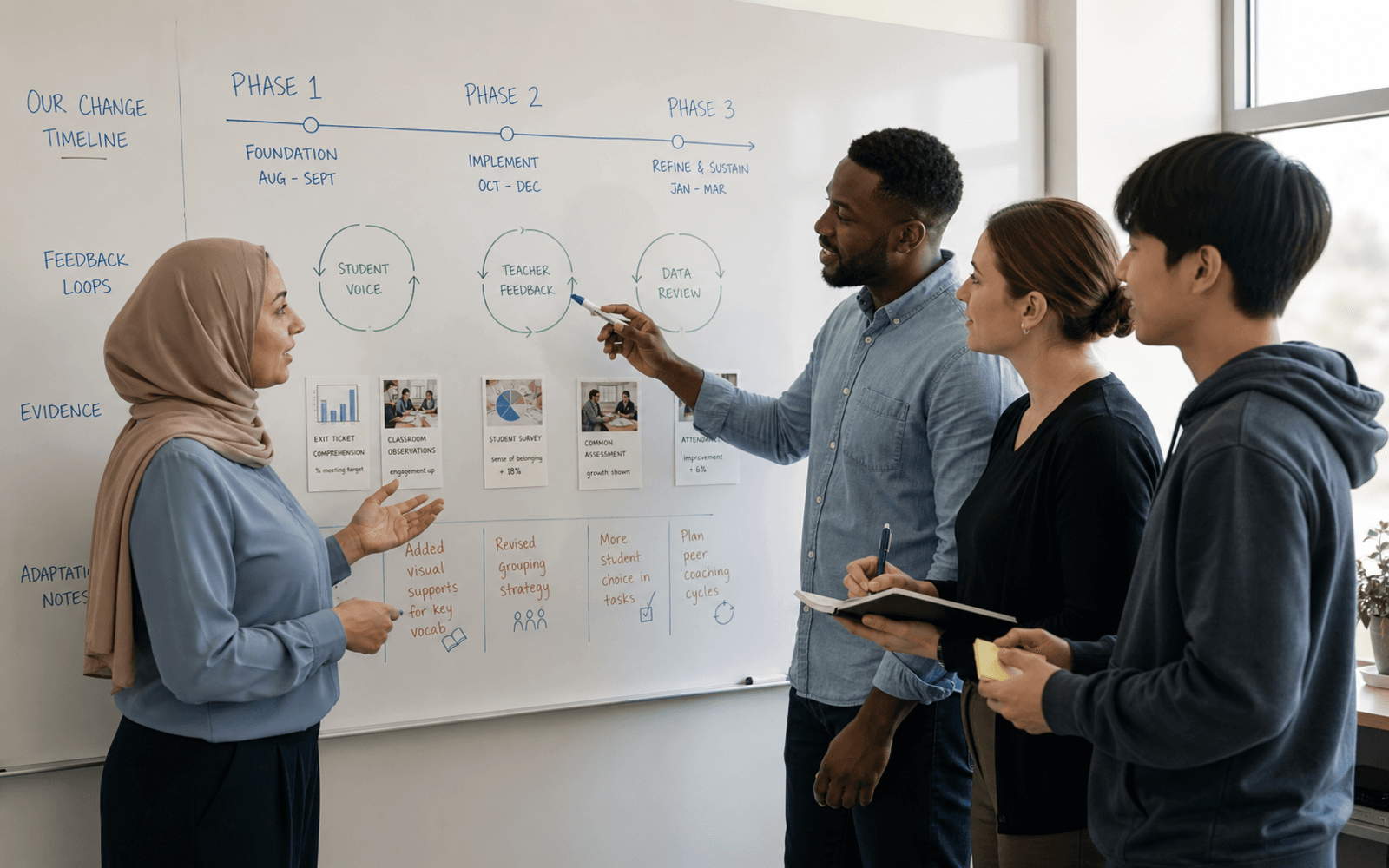
Student voice concerns learners' perspectives, experiences, questions, and proposals about education. Participation goes further by asking how learners help shape decisions that affect them. Voice is not a survey completed after adults have already chosen. Meaningful participation creates conditions in which learners can form a view, express it in accessible ways, reach someone responsible, influence a real decision, and learn what happened afterward.
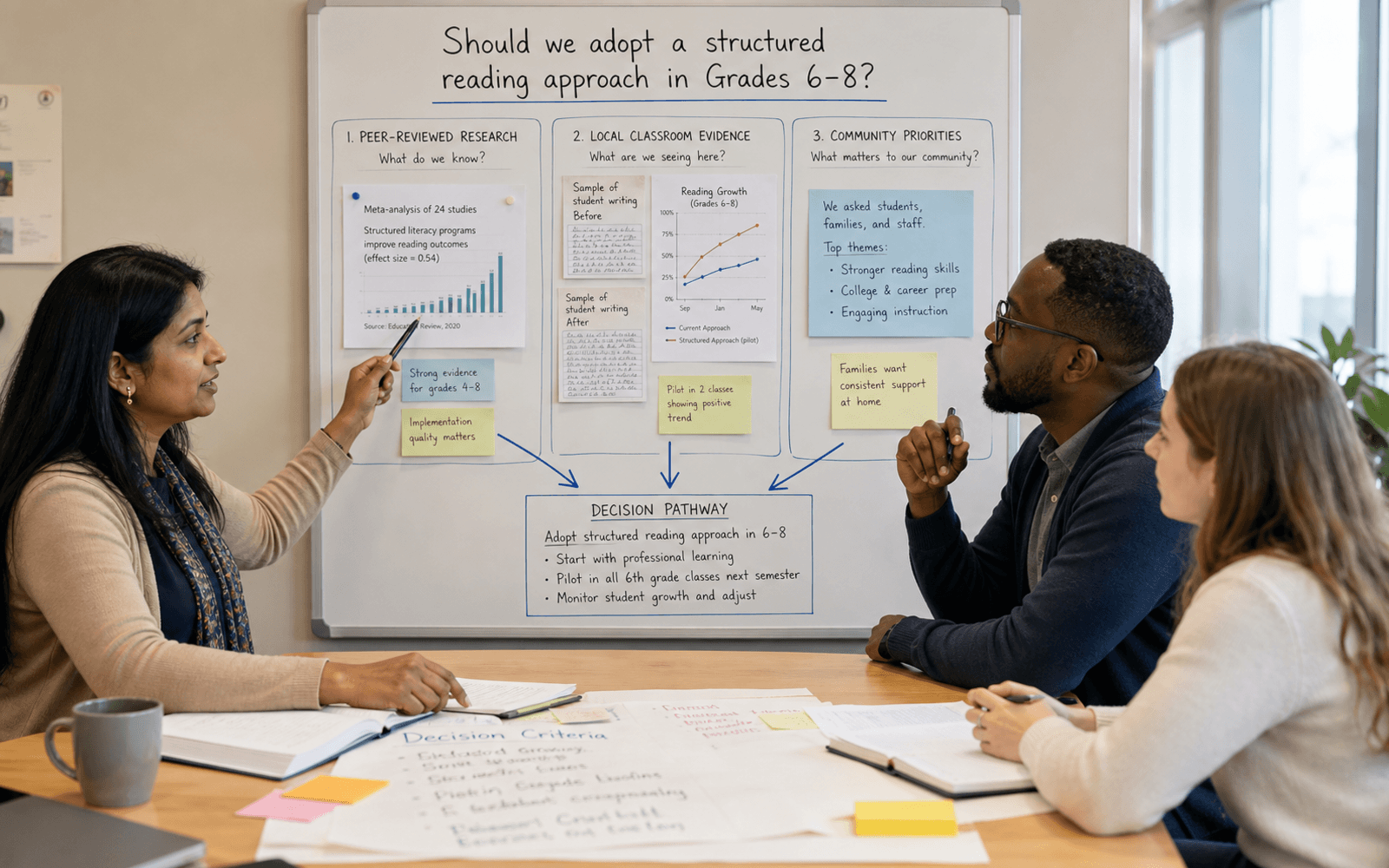
Laura Lundy's model interprets the right to be heard through space, voice, audience, and influence. Space means a safe and inclusive opportunity to form and express views. Voice means appropriate information and support to communicate. Audience means the view reaches a person or body with responsibility. Influence means it receives due weight and a reasoned response. These elements expose tokenism: inviting comments without an audience or possible influence is not shared decision-making.
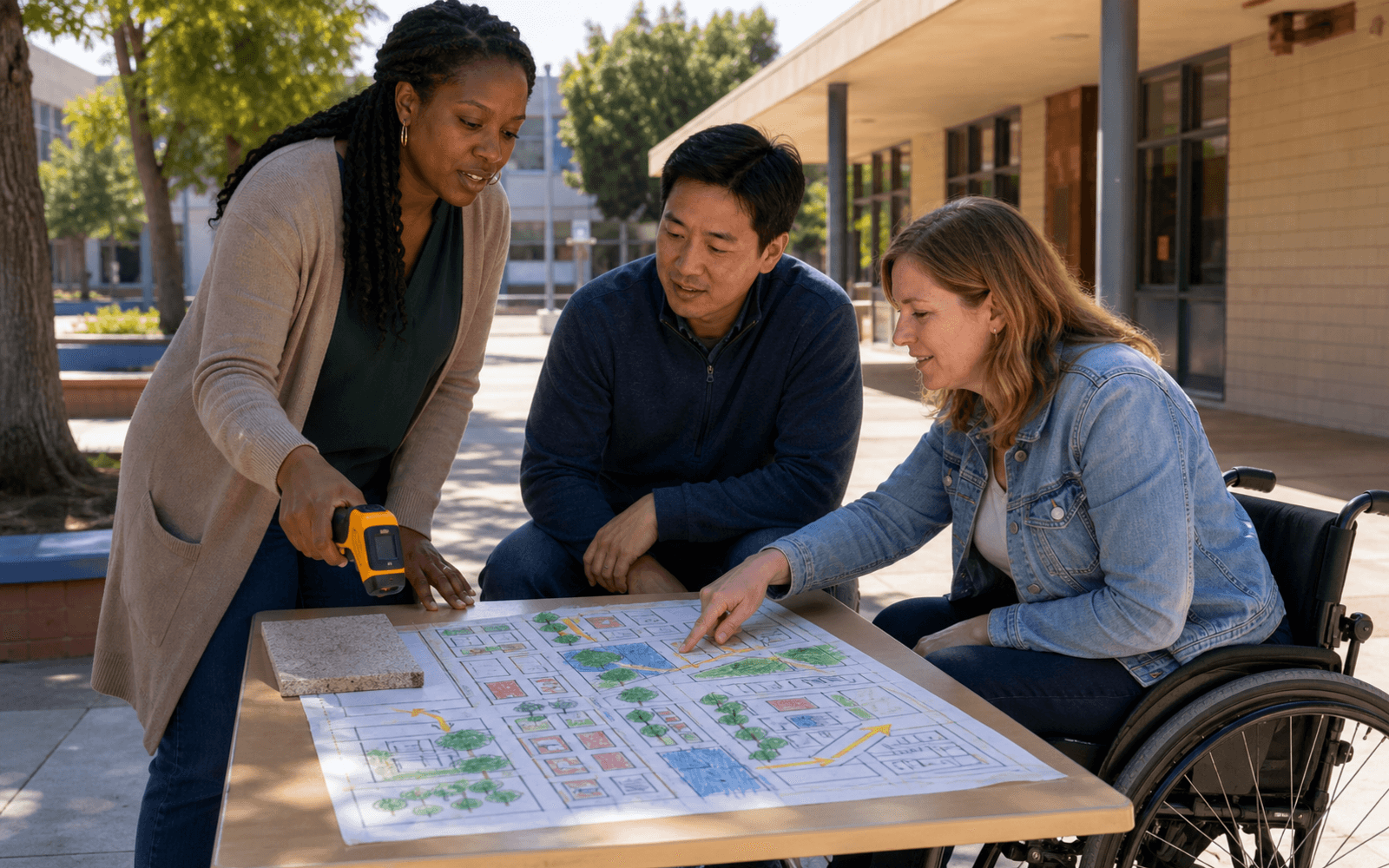
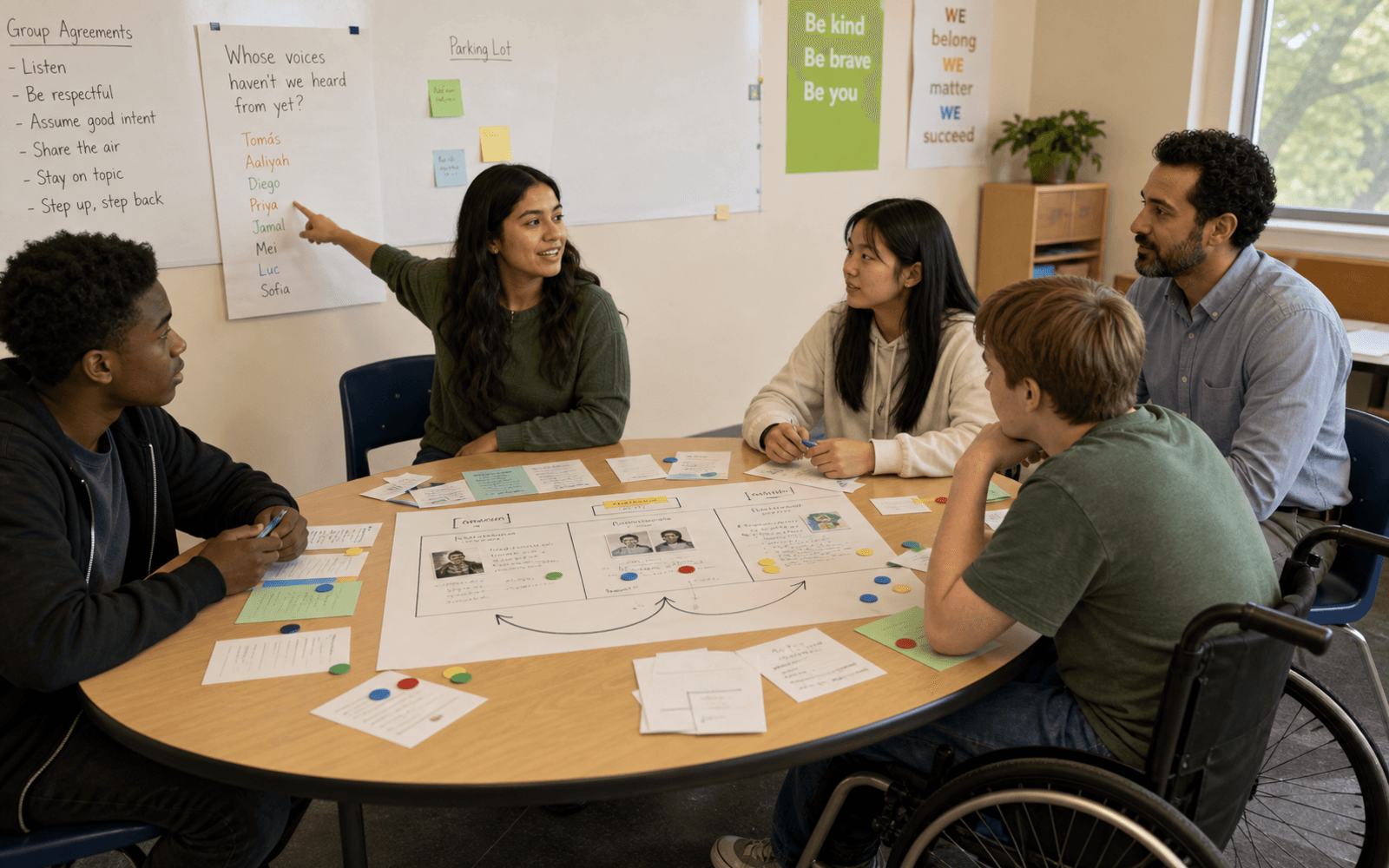
Participation must include learner diversity. Meetings, writing, anonymous channels, visual methods, supported communication, home languages, and trusted advocates may offer different routes. Students should not be forced to disclose identity, disability, trauma, family circumstances, or criticism publicly. Adults need to notice whose confidence, language, schedule, status, or digital access makes participation easier. Compensation, preparation, safeguarding, and clear boundaries can reduce extractive consultation.
Power remains real. Learners do not need to make every institutional decision, and adults retain duties for safety, rights, curriculum, and resources. Institutions should explain what is open to change, what constraints apply, and how competing views will be weighed. Feedback closes the loop. When a proposal is not adopted, students deserve a reason and, where possible, another route. Participation should not expose dissenting learners to punishment or lower expectations.
In education, learners can co-design rules for a classroom AI assistant. The class receives plain-language information about data, capabilities, and limits. Small groups identify acceptable uses, prohibited uses, support needs, and evidence of benefit or harm. Anonymous and spoken routes collect views. A mixed student-teacher council publishes decisions, reasons, unresolved disagreements, a review date, and a way to report problems. Later evidence can reopen the rules.
Student voice strengthens education when it changes knowledge and action rather than decorating an adult plan. It can reveal access barriers, unintended consequences, and goals that formal metrics miss. Institutions should document who participated, who was absent, what influence occurred, and how views differed without claiming one student represents a group. Participation develops civic and metacognitive capability while improving decisions, but only when learners have information, safety, support, audience, influence, and visible follow-through. Schools should revisit participation methods and outcomes with students, since a route that feels safe and influential for one decision, age, culture, or group may fail in another. Evidence of influence should include concrete changes as well as responsible reasons when proposals could not be adopted.