Implementation Science in Education
How evidence-based ideas become usable routines through fit assessment, active implementation teams, training, coaching, data systems, leadership, facilitative administration, adaptation, staged scale, and attention to outcomes and sustainability.
উৎস
সম্পূর্ণ পাঠ সারাংশ
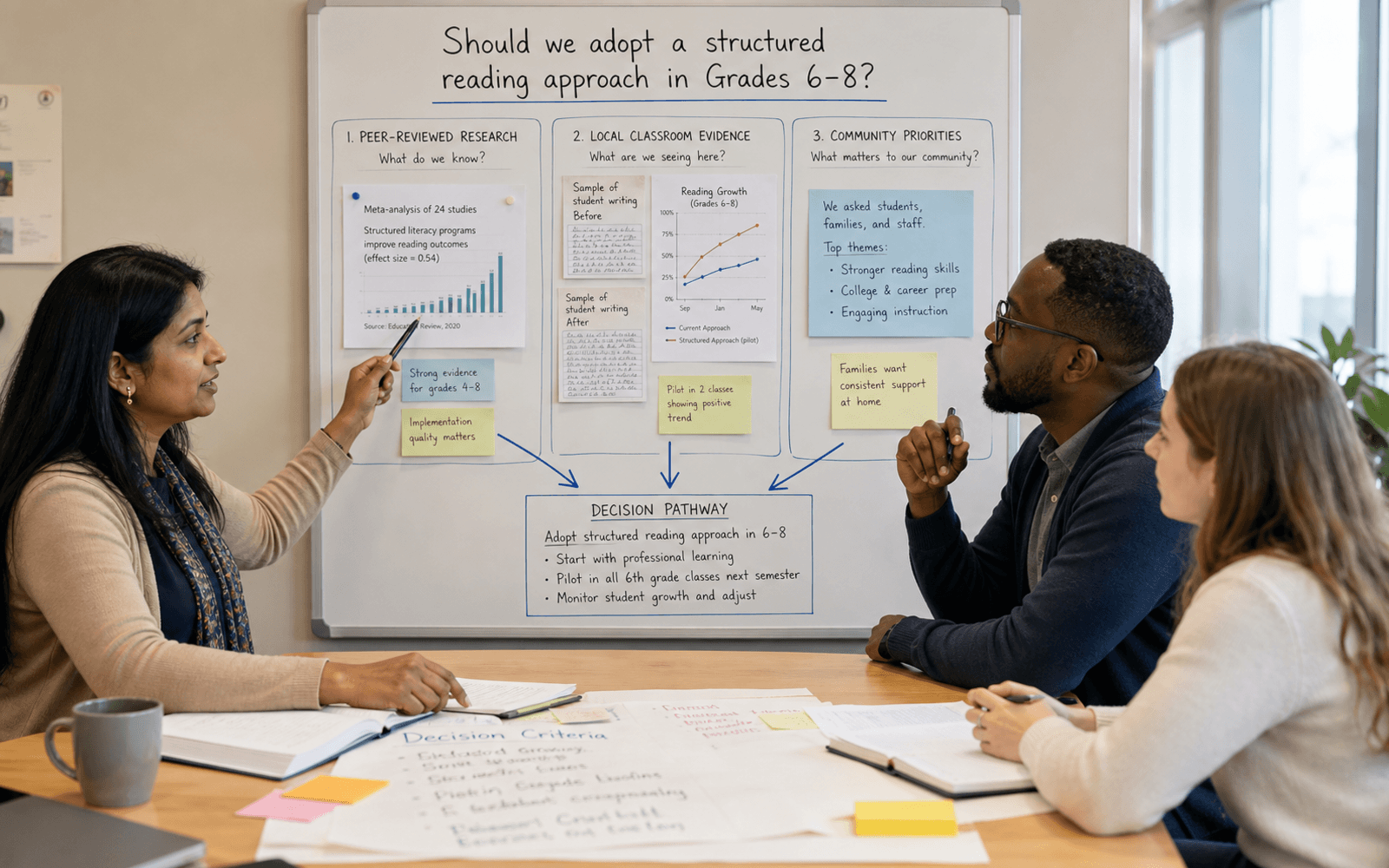
Implementation science studies how programmes, practices, and policies become used with quality in real settings. A promising intervention does not produce outcomes merely because a school purchases it or staff attend training. People need usable guidance, skills, time, resources, leadership, data, and organizational support. The intervention also needs to fit learners, curriculum, culture, infrastructure, and local priorities. Implementation is a distinct object of inquiry rather than an administrative afterthought.
Teams begin by defining the usable innovation: its essential functions, teachable components, expected mechanisms, and permissible adaptations. They assess need, evidence, readiness, fit, capacity, and alternatives. Exploration leads to installation, where staffing, technology, materials, policies, and data systems are prepared. Initial implementation involves learning and solving problems under real conditions. Full implementation and scale should follow demonstrated capability, not a calendar promise.
Implementation drivers include competency, organization, and leadership. Selection, training, coaching, and performance assessment support practitioners. Decision-support data, facilitative administration, and system interventions remove organizational barriers. Technical leadership addresses known tasks, while adaptive leadership helps people work through uncertainty, values, identity, and changing relationships. An implementation team coordinates these functions and has authority to respond to evidence.
Fidelity asks whether essential functions occurred, but rigid replication can ignore context. Adaptation should be deliberate and documented. Teams identify the core mechanism they must preserve, the local barrier prompting change, and the evidence used to judge the adaptation. Outcomes operate at several levels: implementation, such as reach, acceptability, feasibility, adoption, fidelity, cost, and sustainability; service or teaching quality; and learner outcomes. Success at one level does not guarantee another.
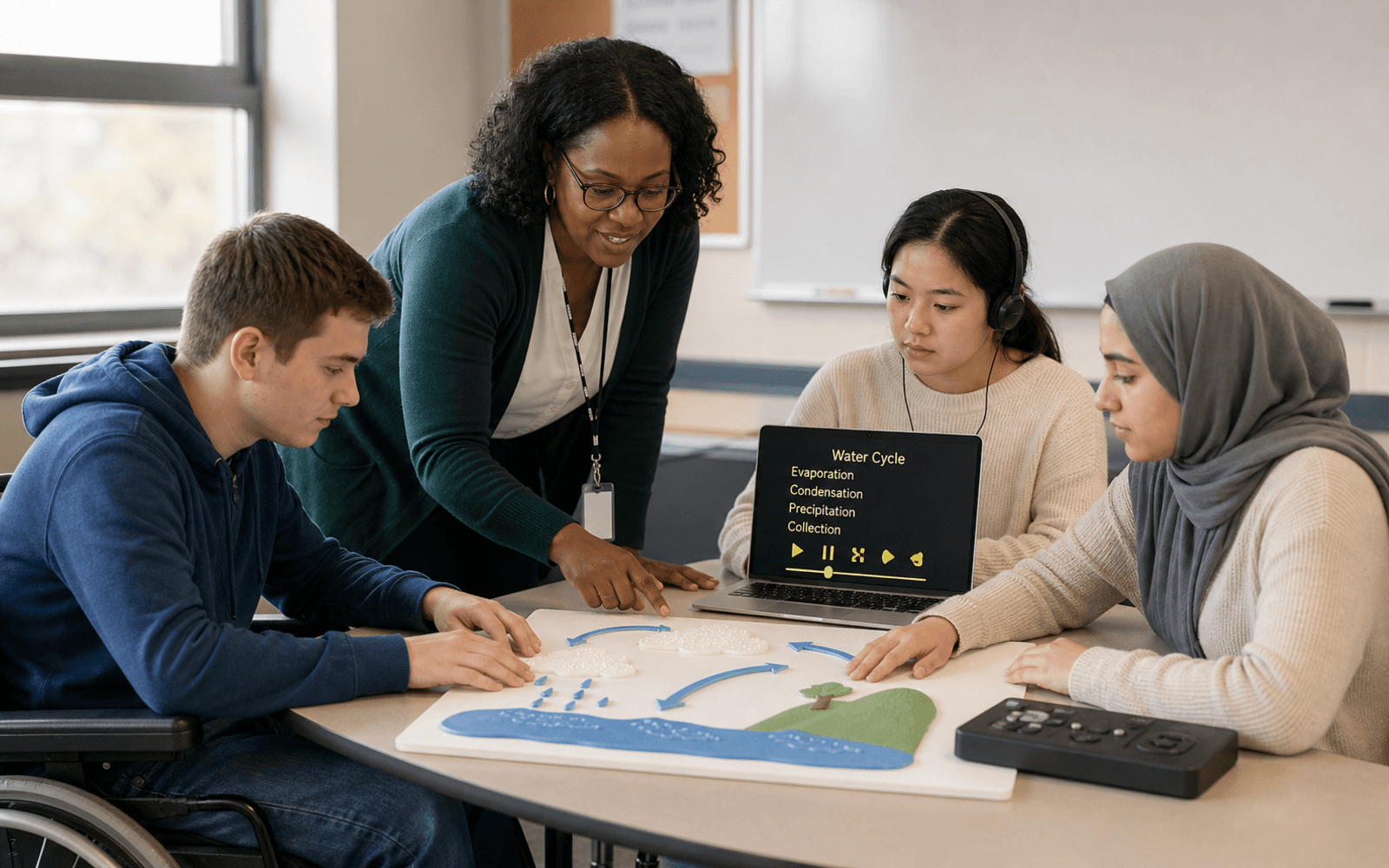
In education, learners can plan the introduction of an AI-supported formative-assessment routine. They define its essential function, compare current practice, map stakeholders and readiness, and design training, coaching, technical support, data review, and student feedback. A small initial site tests workload, access, fidelity, and learning. The team records adaptations and decides whether to improve, expand, pause, or stop rather than assuming pilot completion requires scale.
Sustainability means continued educational value and capacity, not permanent attachment to a product. Staff turnover, funding, model updates, curriculum change, and accumulated burden can weaken use. Institutions should build local expertise, monitor equity, budget full costs, and retain exit routes. Implementation science brings disciplined realism to innovation: outcomes depend on both the practice and the system that supports it, and responsible scale follows evidence of fit, capability, benefit, and learning over time. Scale can therefore mean spreading, adapting, deepening, or deliberately limiting a practice. The right decision may be to strengthen one setting rather than expand quickly. De-implementation is also skilled work: teams remove low-value routines, support transition, preserve necessary records, and learn why earlier expectations were not sustained. Responsible implementation treats practical limits as evidence, not embarrassment or failure.