Authentic Learning
Authentic learning connects knowledge to purposeful activity, audiences and constraints. Effective design keeps disciplinary reasoning visible, supports novices and assesses more than a polished product.
উৎস
সম্পূর্ণ পাঠ সারাংশ
Authentic learning organizes study around purposeful activity that resembles how knowledge is used beyond a conventional exercise. Learners address a meaningful problem, work with relevant evidence, and produce an outcome for an audience or use. Authenticity can concern the thinking required, the constraints, the tools, and the consequences. Adding a realistic photograph or a workplace title does not by itself make an activity authentic.
Herrington and Oliver's instructional design framework emphasizes features such as meaningful contexts, complex tasks, multiple perspectives, access to expert performance, collaboration, reflection, articulation, scaffolding and assessment integrated with the activity. These features provide design questions rather than a checklist that guarantees learning. The appropriate form depends on the subject, learners' preparation and what they are expected to understand.
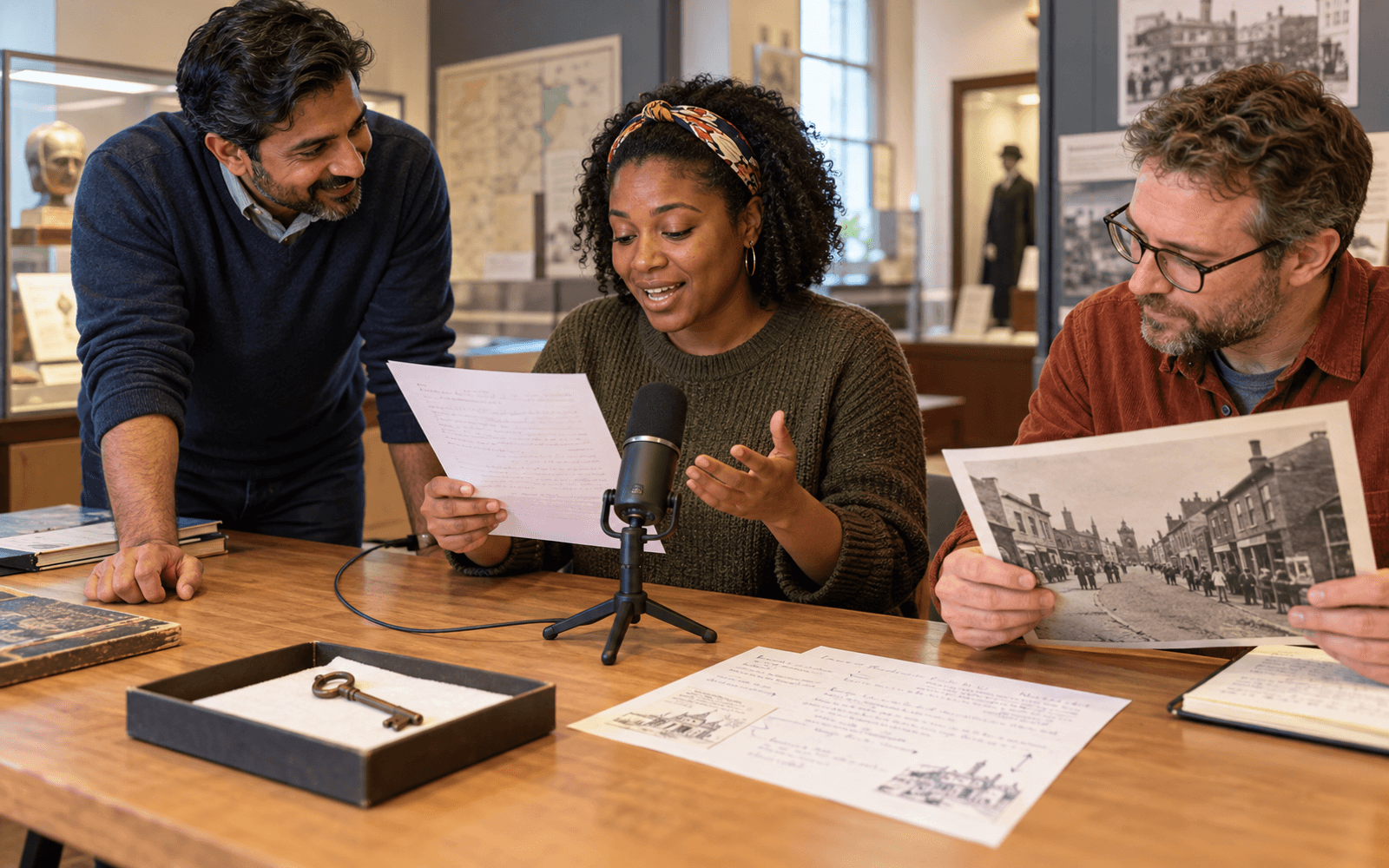
Consider adult learners developing an audio guide for a local history display. They must verify information about an object, distinguish evidence from interpretation, decide what a visitor needs to know, and write a clear script within a short duration. Accessibility and audience questions influence the product. Feedback from a museum educator and potential visitors prompts revision. Subject knowledge becomes necessary for making a defensible public explanation, rather than remaining separate from the task.
The teacher still has a substantial instructional role. Learners may need explicit teaching about evaluating sources, interpreting dates, writing for listening, and acknowledging uncertainty. Provide models and interim checkpoints while leaving meaningful choices open. A task can be authentic yet poorly designed if novices spend most of their time struggling with audio software instead of historical reasoning. Remove avoidable complexity and ensure the target learning remains visible.
Assessment should examine both the product and the reasoning behind it. A polished recording could conceal an unsupported claim, while an imperfect recording might contain excellent historical analysis. Ask learners to explain source choices, justify revisions and show how feedback affected the script. Individual evidence remains useful in a group project. Criteria should reflect the learning goals and the demands of the intended audience without rewarding expensive equipment or prior technical privilege.
Authenticity is also a matter of perspective. A problem meaningful to a teacher may seem remote to learners, and an outside partner's priorities may conflict with educational aims. Invite learners to shape the question and discuss whose needs the activity serves. Protect consent and ownership when work reaches a real audience. A well-designed simulation can be appropriate when public use would impose unnecessary risk, cost, or pressure on novices.
Evidence from particular authentic-learning environments does not establish that every complex real-world task produces better outcomes than focused practice. Learners still need opportunities to consolidate knowledge and transfer it to different situations. A useful debrief asks which ideas became tools for action, which decisions depended on context, and what would change elsewhere. Authentic learning is valuable when purposeful use and disciplined reflection make subject knowledge more connected and usable, while instructional support keeps the experience accessible and educationally coherent.